Why are South Asians at higher risk of disease? New study investigates
Study says that the better scientists understand genes, the more they will improve treatment methods
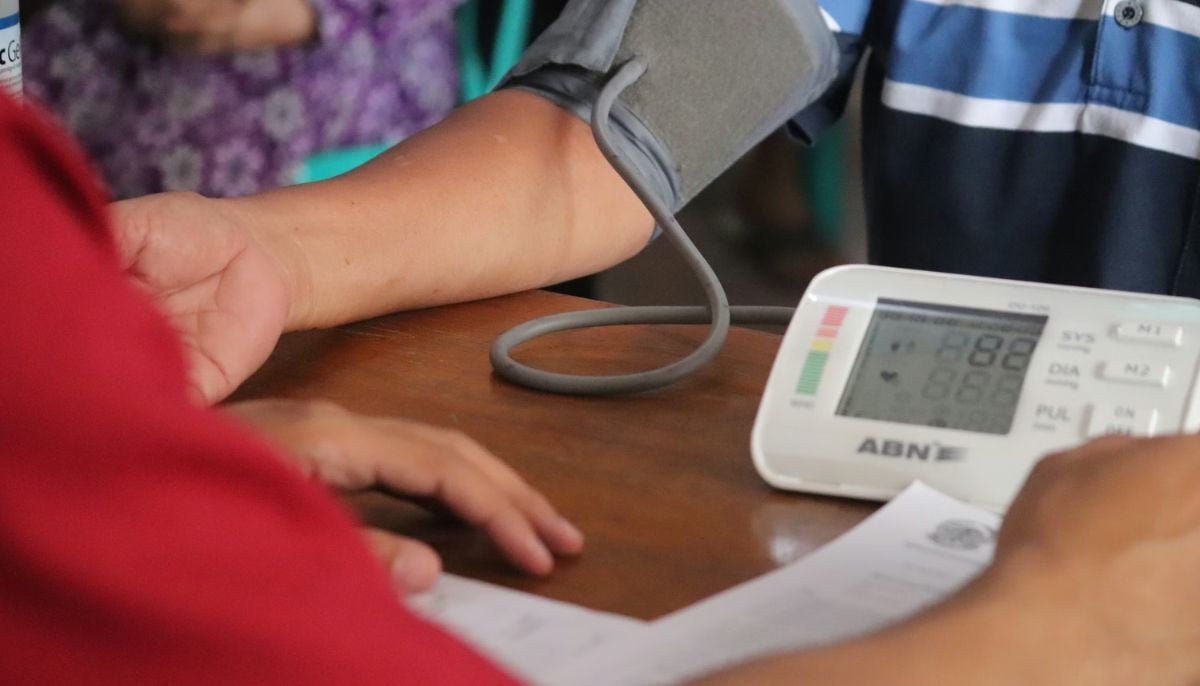
The UK has launched a major genetics research project which aims to resolve health disparities that affect South Asian communities through its research efforts to enhance disease diagnosis and treatment and prevention methods.
The Genes & Health study, led by Queen Mary University of London, is inviting British Pakistani and Bangladeshi residents in Wolverhampton and Walsall to participate.
The Genes & Health study focuses on understanding how genetics influence conditions that affect South Asian populations at higher rates, including diabetes and cardiovascular disease. Researchers state that genomic research has not adequately studied these communities, which leads to treatment limitations.
Fahad Hossain, who is the Walsall Manor Hospital consultant and director of research and development, described the study results as having the potential to create permanent changes. The better scientists understand genes, the more they will improve treatment methods for predicting and diagnosing diseases.
The Genes & Health study requires participants to provide saliva samples for DNA analysis and complete short health questionnaires. Some volunteers may also be invited for further studies to deepen research into specific conditions.
The research is being conducted through a collaboration between The Royal Wolverhampton NHS Trust and Walsall Healthcare NHS Trust, together with additional partners.
The Genes & Health study stands out as the largest genetic research project that conducts research with South Asian communities, according to experts. The Royal Wolverhampton NHS Trust Research Clinical Director Tonny Veenith stated that genetic research studies have primarily examined European populations throughout history.
The research will establish better health outcomes through improved medical representation of South Asian communities. The Genes & Health study will deliver essential information which researchers need to address persistent health disparities and design better healthcare solutions for upcoming generations.






-
 Third measles-associated death reported as Pennsylvania outbreak reaches 676 cases
 -
 Cyclosporiasis outbreak: US officially ends largest outbreak linked to contaminated lettuce
 -
 Hot beverages increase risk of cancer? New research provides in-dept details
 -
 Highest-level recall issued for potato chips over banned ingredient posing death risk
 -
 Very hot tea and coffee could triple cancer risk, Oxford study warns
 -
 Global study reveals nearly 1.7 million deaths linked to second-hand smoke exposure in 2023
 -
 AI-designed drug also slowed biological aging, study finds
 -
 Always tired and foggy? This vitamin deficiency could be the clue
-
 Is loneliness becoming the next global health crisis?
 -
Ebola outbreak: Congo faces deadliest crisis with over 3,000 deaths
-
New report reveals, children as young as six going to A&E in mental health crisis
-
'Self-exercising' muscle implants developed by researchers offer workout benefits without movement