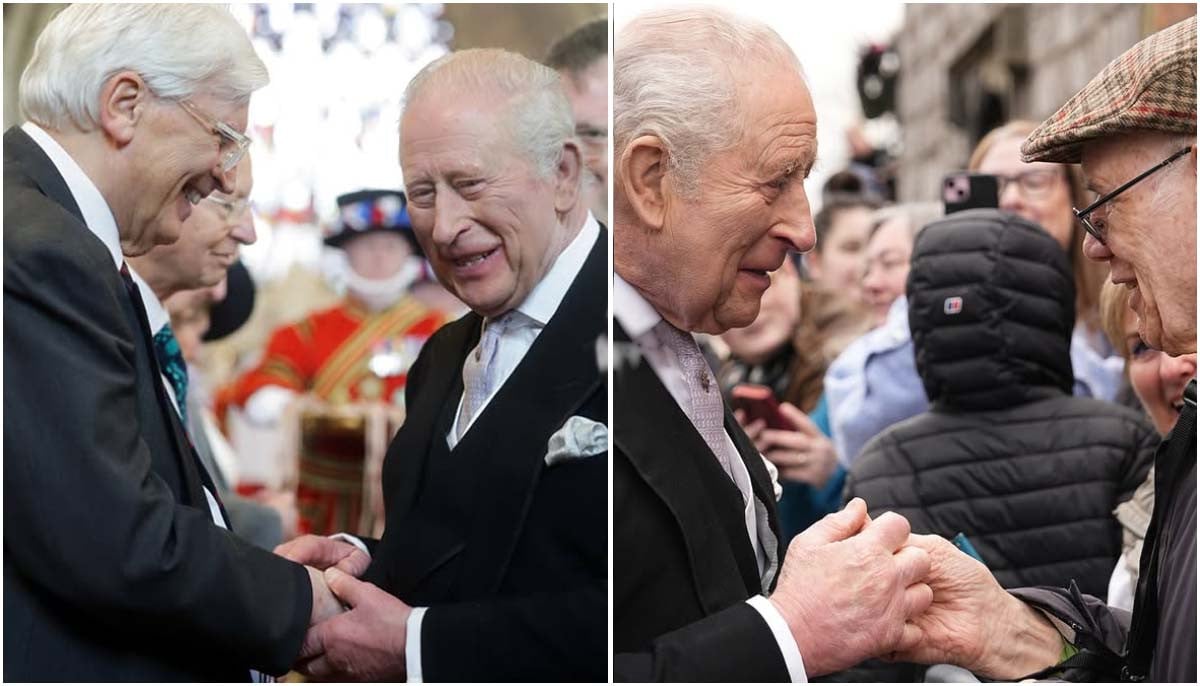
King Charles raises a serious question about ‘equality’ and the true reach of his power
Questions have just been raised against King Charles, and ‘equality’ vs King Charles’ quiet power that stands above the law
King Charles is said to have final call over legislations, even before they reach Parliament’s door and Andrew Lownie, unofficial biographer to Andrew Mountbatten-Windsor broke down the mechanism that allow them to work outside the law, in a way.
For those unversed, the law that allows the Royal Family such power is usually “happens informally by phone long before anything appears on the parliamentary record.”
He explained the King’s and Prince’s Consent as the “least understood and most troubling constitutional devices in modern Britain.”
He highlighted this on his Substack where he summarized the entire chat with Former Liberal Democrat MP Norman Baker, following their chat on The Lownie Report.
According to Mr Baker “this is not a ceremonial rubber stamp but a mechanism that allows the Royal Family to intervene before legislation reaches Parliament whenever it affects their private interests rather than their public duties.”
During his chat with the royal biographer he also noted how often times “proposed laws are quietly softened or reshaped following behind the scenes conversations between the Cabinet Office and the Palace, allowing ministers later to claim that no formal objection was raised.”
What is pertinent to mention is that this results in the development of a “system that gives the Royal Family advance sight of legislation and the opportunity to demand changes without transparency or accountability.”
Per Mr Baker again, as summarized by Mr Lownie “this has led to exemptions from swathes of legislation over many decades, all justified by convention rather than democratic principle.”
The Substack also references one such special leeway that the Firm enjoys, which is the Animal Welfare Act. Because private estates like Balmoral are ‘explicitly exempted’ from having to adhere to provisions that would otherwise allow the RSPCA (The Royal Society for the Prevention of Cruelty to Animals) to enter land where animal abuse was suspected.
It was only near the end that he referenced his own views, and posed them in a question that reads “Why should such exemptions exist at all.”
Because in the eyes of the public “when even the Prince of Wales, legally an ordinary citizen, is granted special consent rights over legislation, it raises serious questions about equality before the law and the quiet reach of royal power,” he concluded by saying.



-
 Meghan Markle’s plans to move with Prince Harry: Insider
 -
 Prince William’s biographer breaks down if Harry can find his way back to the Firm before Coronation
 -
 King Charles marks this year’s Maundy Service with a video and brief history lesson: Watch
 -
 King Charles’ love for Carole Middleton exposes secret cracks with Camilla: ‘Calls her wolf in sheep’s clothing’
-
 Prince Harry talks about ‘hard days’ as he discusses social media
 -
 Royal Maundy Service 2026: King Charles and Queen Camilla in pictures
 -
 Why King Charles gave Meghan Markle ‘ultimate refusal’
 -
 King Charles breaks silence on Trump claim about UK government
 -
Meghan Markle’s plans to move with Prince Harry: Insider
-
 Prince Harry and Meghan's wedding video used for engagement farming
 -
Prince William’s biographer breaks down if Harry can find his way back to the Firm before Coronation
-
 Why Princess Anne's son had to take extra step before remarrying?
-
 Prince Harry furious over Meghan Markle's big move
 -
King Charles marks this year’s Maundy Service with a video and brief history lesson: Watch
-
King Charles’ love for Carole Middleton exposes secret cracks with Camilla: ‘Calls her wolf in sheep’s clothing’
-
Buckingham palace unveils what's inside King Charles' royal gift