Loneliness linked to higher cancer death risk, new study reveals
Social isolation or loneliness was linked to a 34% increased risk of death from any cause and an 11% higher chance of malignancy-related death
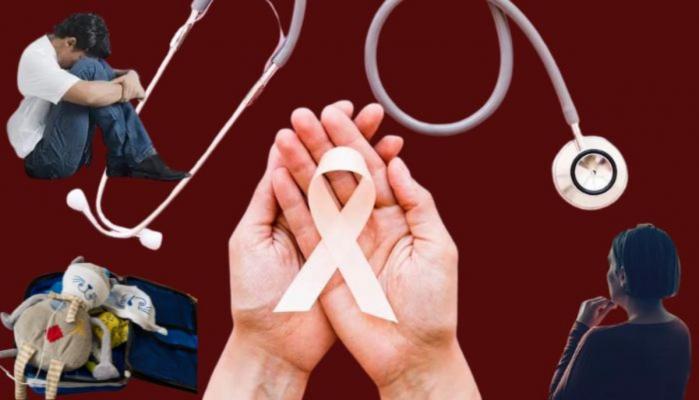
A new study indicated that cancer patients experiencing social isolation are at greater risk of dying from both cancer and other causes.
In the study, which was published in BMJ Oncology, social isolation or loneliness was linked to a 34% increased risk of death from any cause and an 11% higher chance of malignancy-related death.
The research team, comprised of Canadian researchers, analyzed data from 16 previously conducted studies involving more than 1.6 million individuals with cancer in Canada, England, Finland, France, Ireland, Japan, and the United States.
Social isolation and loneliness are related, but they differ from each other.
Those individuals who are considered lonely, who don’t have relationships or contact with the outside world, major signs of it are perceived aloneness and social disconnection.
The researchers have noted that these findings spotlight how social isolation or feelings of solitude could impact cancer outcomes, beyond traditional biological and treatment-related factors.
The research team comprised of Canadian researchers, examined data from 16 previously conducted studies, involving more than 1.6 million individuals with cancer in Canada, England, Finland, France, Ireland, Japan, and the United States.
Social isolation and loneliness are related, but they differ from each other.
Those people are considered lonely who don’t have relationships or contact with the outside world, major signs of it are perceived aloneness and social disconnection.
The researchers explained further that from a biological perspective, loneliness might activate a stress reaction that impairs the immune system and promotes inflammation, thereby aggravating a cancer patient’s condition.
As far as the mental health of an individual is concerned, cancer is no exception; for instance, if they feel their family members often fail to understand what they are experiencing or if they experience lethargy and brain fog as an outcome of the treatment.
The research findings also indicate that social isolation can increase the risk of heart attack, type 2 diabetes, stroke, dementia, depression and anxiety, and suicidal behaviours.
The study comes at a time when the global cancer burden is on the rise.
In another recently published study, it revealed alarming figures of cancer mortality rates which are expected to rise by 75 percent in the next 25 years.


-
 Are we closer to a real-life ‘genie’ that grants any wish: Here's what Sam Altman thinks
 -
 Elon Musk’s recent claim about Bill Gates sparks fresh online controversy
 -
 Watch: Kaitlan Collins’ reaction to Trump’s remarks
 -
 Max Verstappen slams ‘broken’ Red Bull after Hungary shocking qualifying disaster
 -
 Trump reacts to Ferran Torres' viral 'Make Spain Great Again' hat
 -
 Ferran Torres, Marcos Llorente become target of false claims after Ibiza photos go viral
 -
 Typhoon Noul nears Southern China, prompting high alerts and public transport suspensions
 -
 Is Trump running for next term as US president? Fact-checking viral claim
-
 Why Trump’s gala address made headlines: Insults, potshots and more
 -
Ford warns of engine fire risk in more than half a million Bronco vehicles
-
LeBron James called Cristiano Ronaldo of basketball after his ‘last decision’
-
Nvidia CEO Jensen Huang makes X debut, signs letter to Congress on open AI models