Draconid meteor shower 2025: When, where, how to see it
The meteors appear to originate from the constellation Draco the Dragon
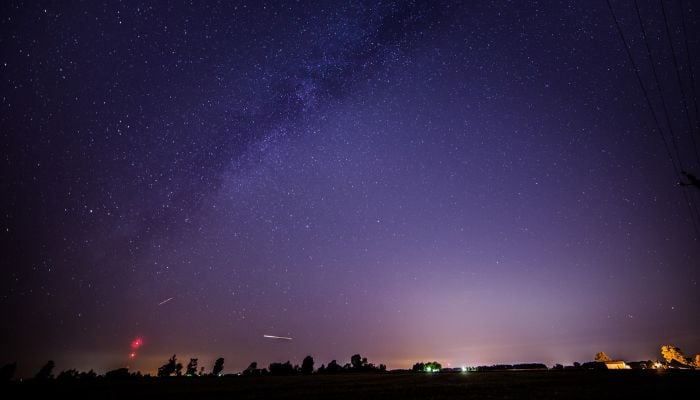
Stargazers across the Northern Hemisphere are in for a celestial treat, as the Draconid meteor shower, often called the “Dragon’s Breath,” is set to peak on the evening of October 8 into the early morning of October 9.
The Draconids, one of two major meteor showers happening this month, are currently active from October 6 to 10. While generally a more modest show, astronomers are keeping an eye out for a potential “significant outburst” this year, according to some reports.
The Draconids are unique because they are best viewed in the early evening hours, right after sunset.
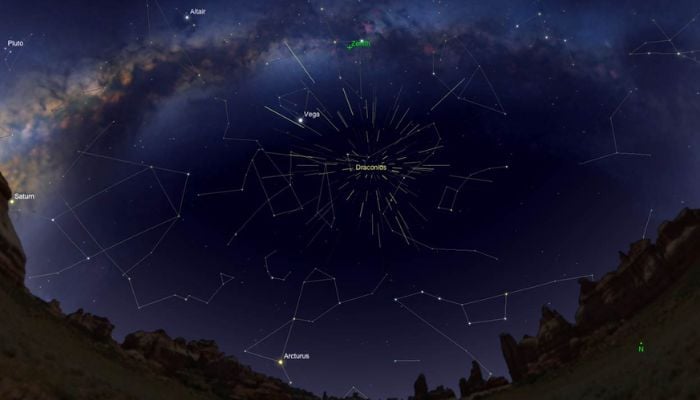
A meteor shower is simply a light show caused by Earth passing through a cloud of dust left behind by a comet. The little pieces of dust hit our atmosphere and burn up, creating streaks of light we call “shooting stars.”
The Draconid meteor shower comes from the debris of Comet 21P/Giacobini-Zinner.
Stargazers should expect 10 meteors per hour. However, the shower is unpredictable, and some past events have produced “meteor storms” with hundreds of meteors an hour.

The moon is currently in a bright phase, which may make fainter meteors harder to see. Viewers will need to find a way to block out the moonlight or look away from it.
The meteors appear to originate from the constellation Draco the Dragon in the northern sky. Look toward the northern horizon.
If someone miss the Draconids, October offers a second chance for skywatching. The Orionid meteor shower, which comes from the debris of the famous Halley’s Comet, will peak later in the month.


-
 How did Kyle Busch die? Leg injury and lawsuit draw attention as fans mourn his death
 -
 Sora shutdown forces AI film Critterz to miss Cannes
 -
 Kyle Busch’s final NASCAR win message leaves fans heartbroken
 -
 Savannah Guthrie gets emotional as exciting news shared with her
 -
 Olivia Rodrigo releases new song 'The Cure': 'It's my favorite on the album'
 -
 'Michael 2' confirmed: Lionsgate chairman feels 'excited about the progress'
 -
 Matt Damon feels jealous of 'The Odyssey' costar Charlize Theron's one physical trait
 -
 Lizzo shares fun story behind her social media moniker