Why did France's Prime Minister resign right after taking charge?
Sebastien Lecornu steps down as allies and opponents unite against his cabinet lineup, triggering market panic and snap election calls
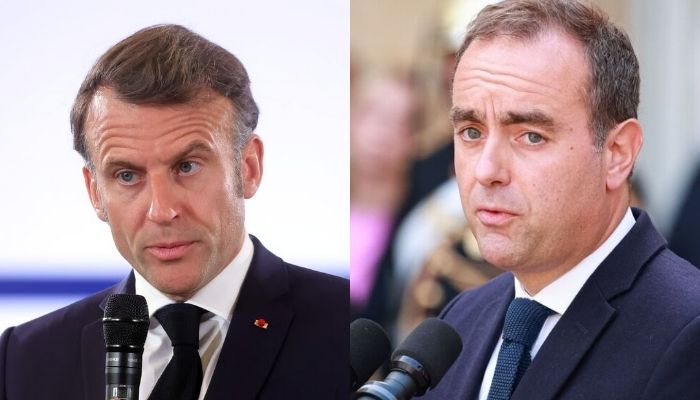
France’s Prime Minister Sebastien Lecornu resigned just 14 hours after taking office because his newly formed government immediately faced unified opposition from both political allies and rivals, rendering it impossible to govern.
The unprecedented collapse stemmed from widespread anger over Lecornu’s cabinet appointments, which critics from across the spectrum condemned as either too right-wing or not conservative enough.
The swift resignation delivered Monday morning to President Emmanuel Macron reflected France’s deepening parliamentary crisis, where no party holds a majority in the fractured National Assembly.
Lecornu’s government had been doomed from its Sunday evening inception by an impossible balancing act, attempting to satisfy opposing factions in a parliament that has grown increasingly ungovernable since Macron’s centrist party lost its majority in 2022.
The immediate trigger for Lecornu’s departure was the threatened no-confidence vote that would have toppled his government within days of its formation.
The far-right National Rally seized on the chaos to demand snap elections, with leader Jordan Bardella declaring “no return to stability without a return to the polls” while financial markets responded with sharp declines in French stocks and the euro.
The resignation marks Macron’s fifth prime ministerial change in two years, underscoring the prolonged governance crisis that began with his re-election without parliamentary control and worsened after last year’s snap elections produced an even more fragmented legislature.


-
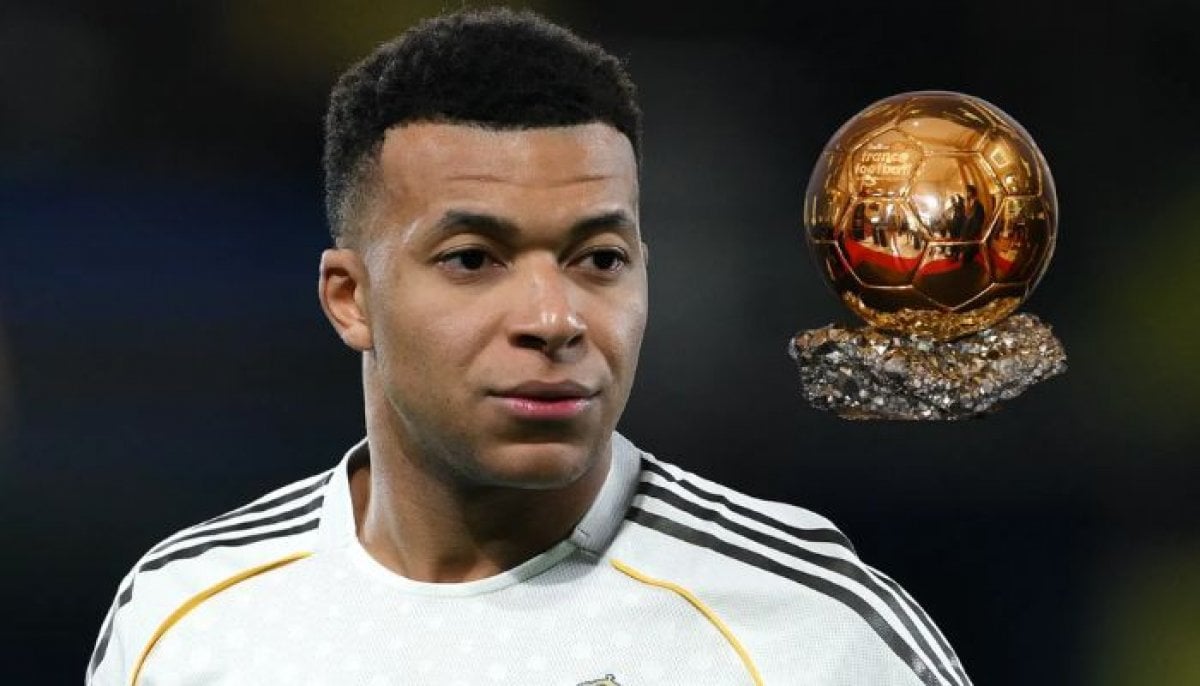 Kylian Mbappe reveals his biggest Ballon d’Or ambition
 -
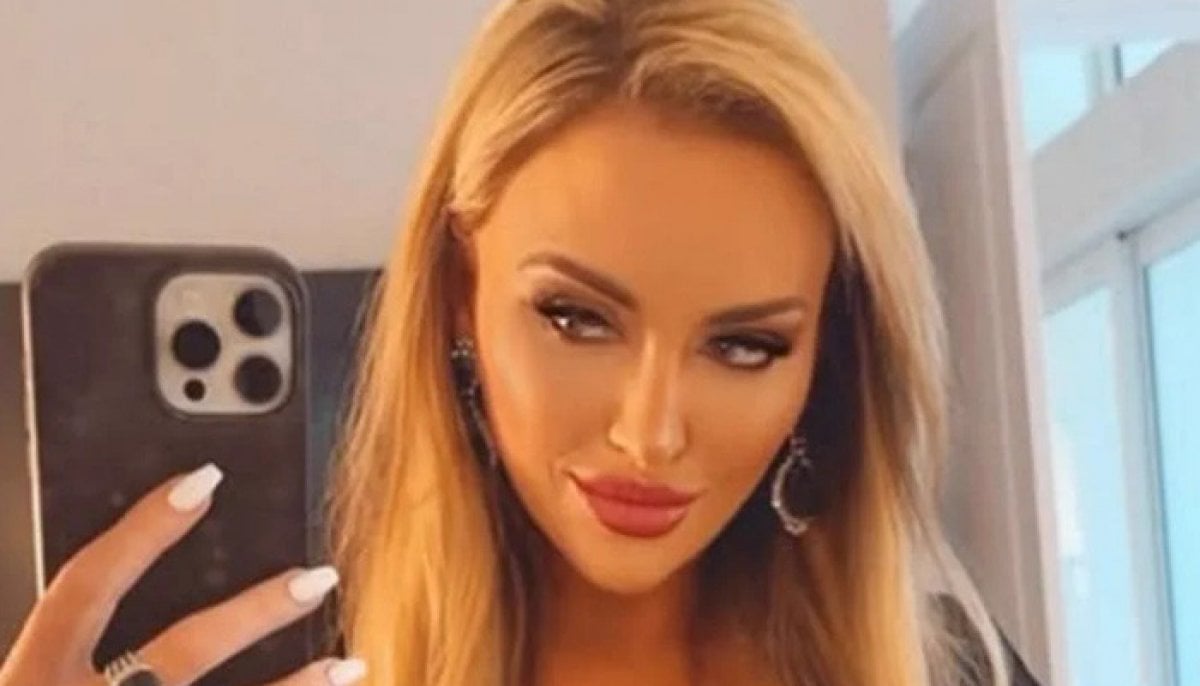 Jennifer Eckhart, former Fox News producer, dies at 36
 -
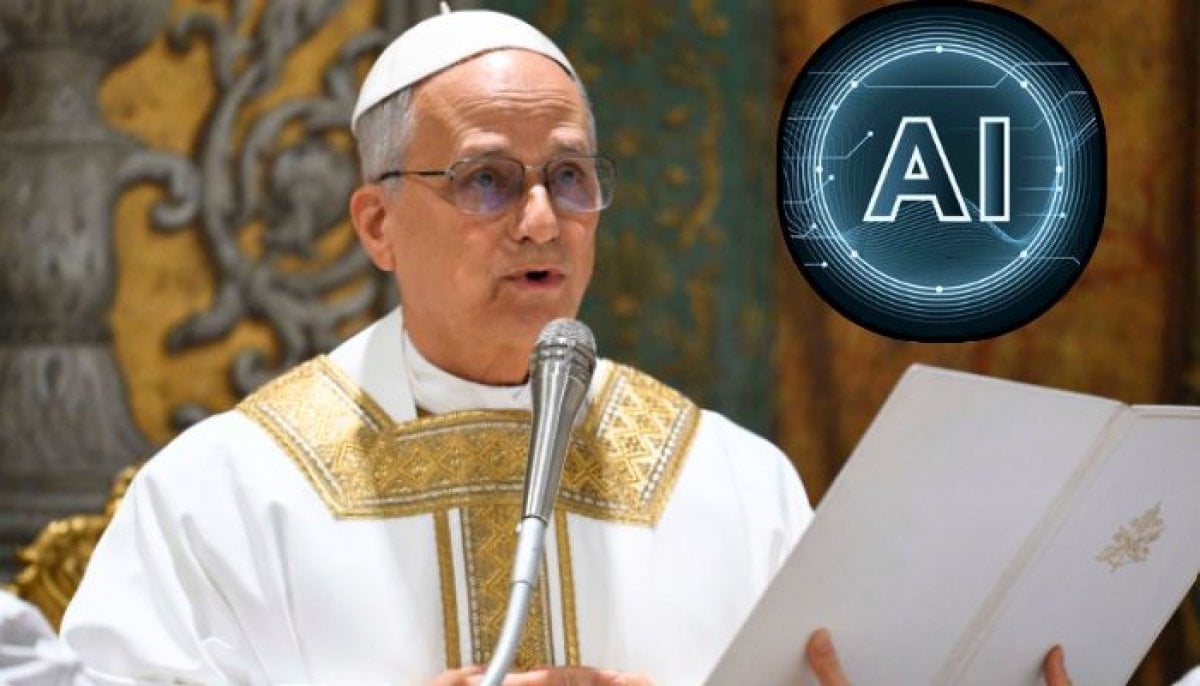 Pope Leo urges tech leaders to build AI systems that unite rather than devide
 -
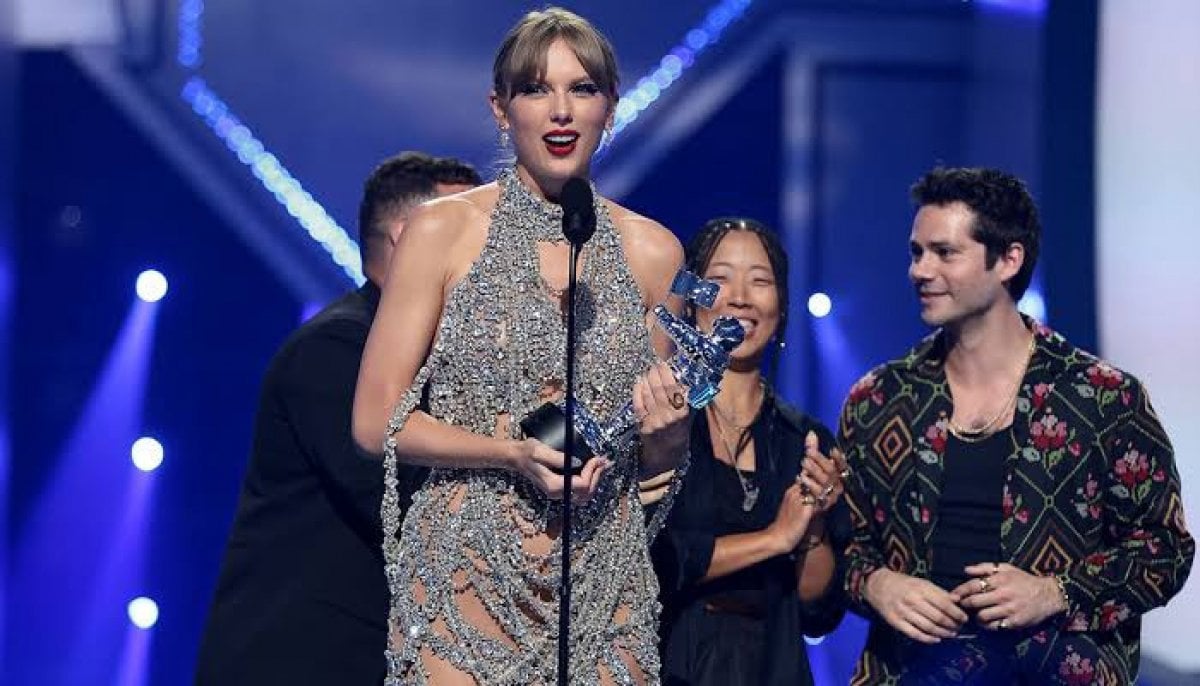 Will Taylor Swift attend 2026 MTV VMAs to receive new Artist Director award?
 -
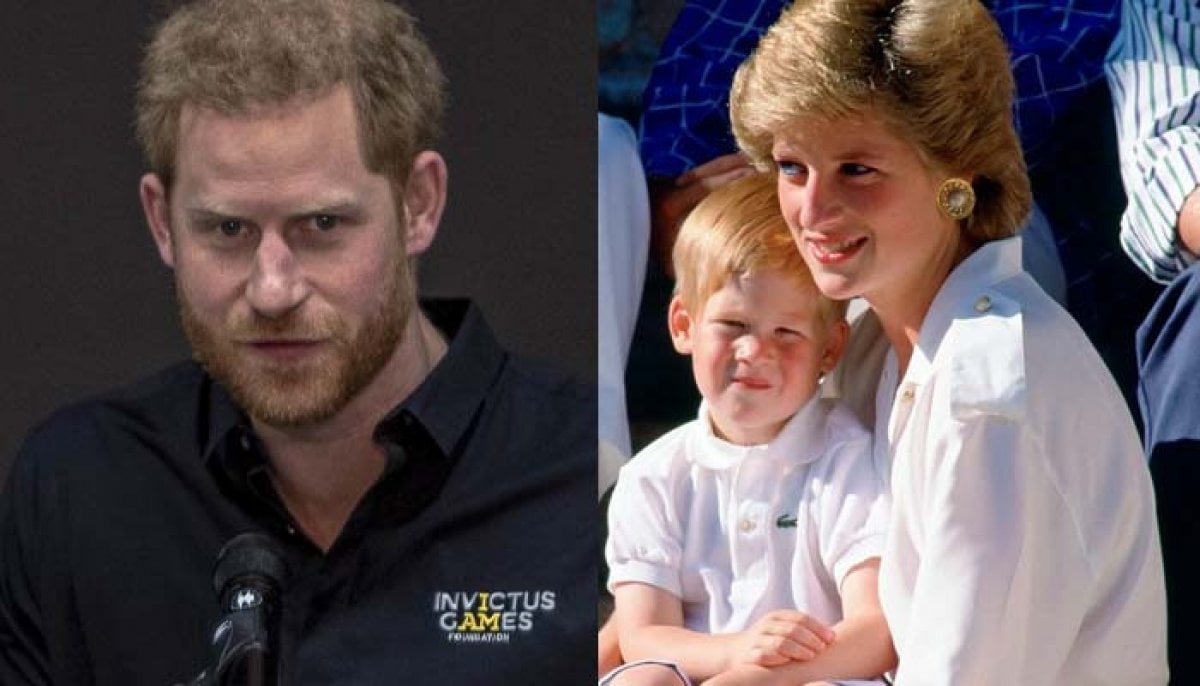 Prince Harry to tell Princess Diana's story again in new documentary?
 -
 Presley Gerber death: Drug overdose emerges as suspected cause
 -
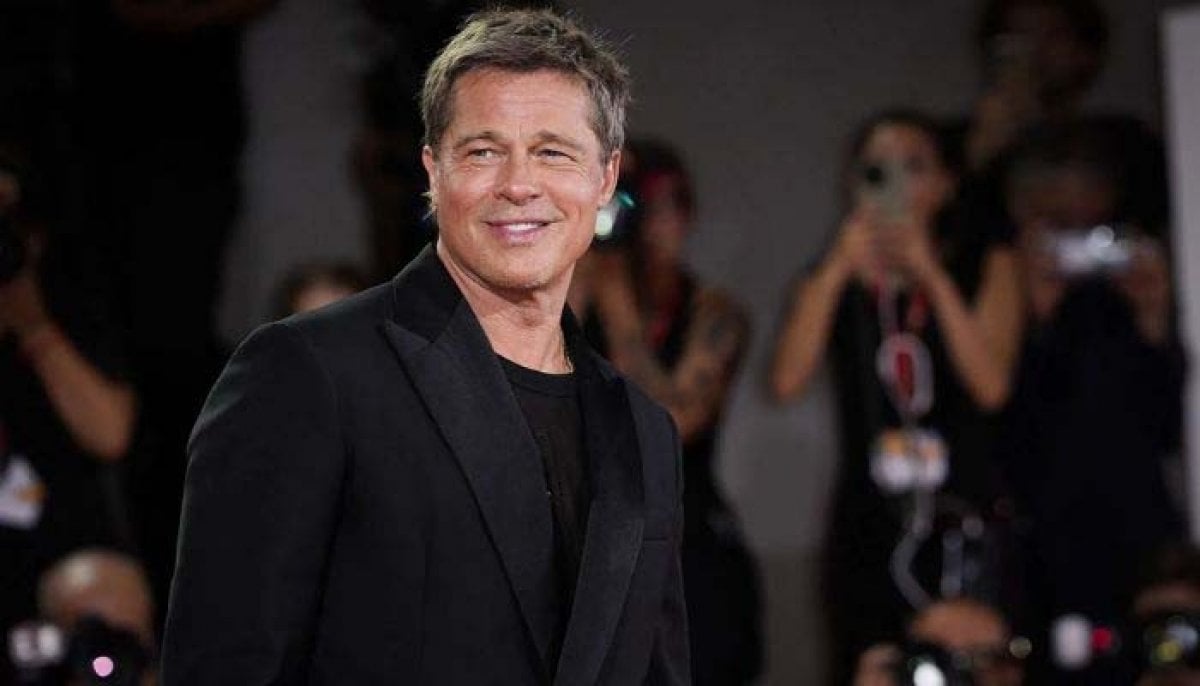 Brad Pitt is back as Cliff Booth in ‘The Further Mis-Adventures of Cliff Booth’
 -
 Kit Harington wanted 'Harry Potter' TV series before joining the cast