UNGA venue questioned as calls grow for Geneva shift
The session is expected to feature important decisions on the recognition of a Palestinian state
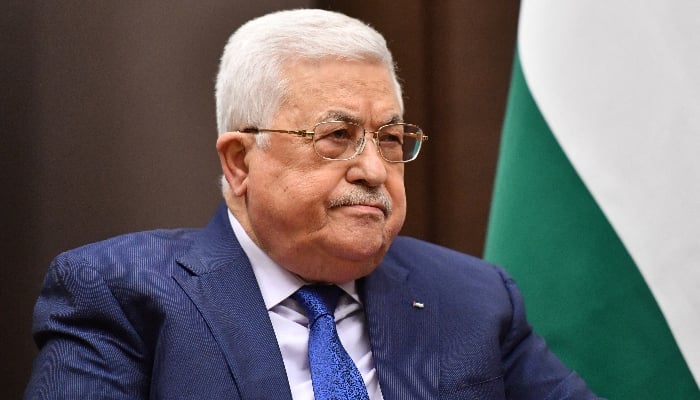
Calls are growing to move the United Nations General Assembly session from New York to Geneva after the United States denied visas to Palestinian President Mahmoud Abbas and his delegation, according to media reports.
The session is expected to feature key decisions on the recognition of Palestine, with high-level debates scheduled from September 23 to 27 before concluding on September 29.
The Trump administration has refused visas to around 80 Palestinian officials. The US also barred PLO leader Yasser Arafat from travelling to New York in 1988.
This is the first time in UN history that such a blanket ban has been attempted. The aim is to prevent participation in one of the most significant events in Palestinian history since the Oslo Accords.
Under a 1947 UN "headquarters agreement", the US is generally required to allow access for foreign diplomats to the UN in New York. However, Washington has said it can deny visas for security, extremism and foreign policy reasons.
A one-day General Assembly conference on the two-state solution will be held on September 22 in New York. Abbas was to attend the conference led by Saudi Arabia and France. The session may see Britain, France, Australia, Canada and other countries recognise Palestine as a state.
Danish Member of the European Parliament Per Clausen has proposed moving the UN session to Geneva, saying Europe should propose holding it there. He said Palestinians’ rights should be recognised, and President Trump sent a clear message.
Israel and the US are upset with several Western allies who have pledged to recognise a Palestinian state at the UN.
At least 147 of the 193 UN member states already recognise a Palestinian state. The Palestinians have observer status at the UN, the same as the Holy See (Vatican).
Moreover, international critics say Israel's new plan, which includes demilitarising the whole strip as Israel takes security control of it, could deepen the humanitarian plight of the 2.2 million population, which is facing a critical risk of famine, opens a new tab.
Israeli PM Netanyahu had said Israel had no choice but to complete the job and defeat Hamas, given that the Palestinian group had refused to lay down its arms. Hamas said it would not disarm unless an independent Palestinian state is established.
Israel had already taken control of 75% of Gaza since the war began with Hamas on October 7, 2023, in which some 1,200 people were killed and 251 taken hostage, Israeli tallies show. Israeli authorities claim 20 of the remaining 48 hostages in Gaza are alive.
Israel's military assault has killed over 62,000 Palestinians, Gaza's health ministry says, and internally displaced nearly the entire population and left much of the territory in ruins.
— With additional input from Reuters


-
 Carney rejects Trump administration’s accusation of Canada interfering in US midterm elections
 -
 Ukraine, Russia and US set to hold key talks in Abu Dhabi in early November
 -
 Australia lawmaker Hannah Beazley’s staff threatened days after Helen Haines attack
 -
 New York AG Letitia James challenges attempt to disqualify her from Cornell investigation
 -
 Trump administration targets Alaska Senate race over fears of ballot confusion
 -
 Gunman near Paris kills one, injures several as mayor suspects ‘racist, Islamophobic’ intent
 -
 Trump faces Republican backlash over Ramaswamy ad ahead of Florida rally
 -
 DOJ opens criminal investigation into Trump Ally Corey Lewandowski over DHS tenure
-
 UK, France hold first-ever joint nuclear exercise amid Russia tensions
 -
Trump says Starlink restrictions lifted, Ukraine disputes claim
-
First Russian diesel shipment en route to New York after Trump-Putin energy deal: Report
-
Trump accuses Ilhan Omar of identity fraud: ‘Congresswoman openly admitted to FRAUD’