F-35 crash investigation reveals jaw dropping details
Why a 50-minute airborne conference call with aircraft engineers have not resulted as saviour?
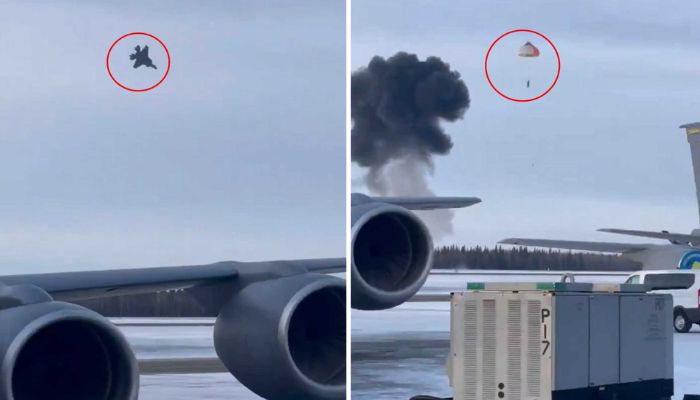
U.S. Air Force disclosed the findings of dramatic F-35 crash in Alaska on January 28, 2025, accident revealing the pilot spent 50 minutes on a conference call with engineers attempting to save the malfunctioning fighter jet before ejecting moments before impact.
The aftermath investigation determined that ice-contaminated hydraulic systems caused the $200 million aircraft's destruction, with water constituting approximately one-third of the hydraulic fluid in critical landing gear systems.
The mid-air troubleshooting session engaged five Lockheed Martin specialists including a senior software engineer, flight safety engineer, and three landing gear specialists.
Experts attempted to resolve landing gear failures remotely while the aircraft circled near Eielson Air Force Base.
The pilot executed two touch and go maneuvers in subzero temperatures attempting to address mechanical issues, but these efforts ultimately triggered the aircraft's sensors to falsely indicate ground contact while still airborne.
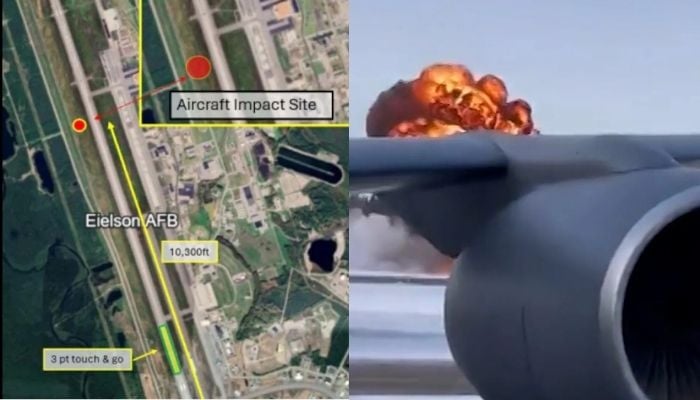
Later discovered sensor error caused the advanced fighter's computers to switch to automated ground-operation mode during flight which rendered the aircraft completely uncontrollable and forced the pilot's emergency ejection.
“Lockheed Martin had actually identified these cold-weather sensor issues in an April 2024 maintenance newsletter, specifically warning such conditions could make it difficult for the pilot to maintain control of the aircraft,” the CNN reported.
Investigators added in the report: “The conference call participants referenced this existing guidance, they might have advised alternative actions that could have prevented the catastrophic outcome.”
In addition to that, a similar hydraulic incident occurred in another F-35 at the same base just nine days after the crash, though that aircraft managed to land safely without incident.


-
 ‘Small price to pay’: Trump’s LA, San Diego remark sparks backlash
 -
 Aubrey O'Day raises questions over Diddy's reported prison conditions
 -
 'Queen' musician Brian May shocks fans with 'unexpected' announcement
 -
 Drake did not submit 2026 albums, songs for 2027 Grammy consideration
 -
 John Cena reveals he ‘didn’t have’ heart in early films
 -
 Paramount renews 'Tulsa King' for season 5
 -
 'The Batman: Part II' release date stays unchanged as production faces another delay?
 -
 Andrew Garfield sparks fury with his billionaire comment
-
 Angelina Jolie gets the cold shoulder from Hollywood stars
 -
OpenAI CEO Sam Altman argues global society must accept AI downsides to secure technological benefits
-
GTA 6 story teaser reveals new secrets about Jason, Lucia and Leonida
-
White House responds after 'Big Bang Theory' creator calls Trump 'bloated orange'