How Meghan Markle fell prey to the tabloid machine
Meghan Markle’s Oprah interview exposed Palace’s silence and selective protection
Meghan Markle’s tell-all Oprah interview continues to spark fierce debate years after it first aired, drawing in millions of viewers across the globe.
Earlier this year, the conversation was revisited in viral clips that reminded audiences why the bombshell sit-down became one of the most talked-about television moments of the decade.
Watched by 12 million in the UK and 17 million in the US, the interview peeled back the curtain on royal life, power, and the pressures of the monarchy.
In the sit-down, Meghan recounted her struggles with relentless tabloid intrusion, family rifts, and what she described as a stifling existence inside the palace.
Viewers were reminded of her claim that she and Harry had exchanged private vows before their televised wedding, her insistence she never Googled her future husband, and her account of being “silenced” by the institution.
While critics branded parts of her story misleading, supporters argued her words revealed the deeper toll of misogyny, media harassment, and public scrutiny.
She revealed that while her public outings had to be cleared by palace aides, even something as simple as lunch with friends was often denied a move she suggested was branded as “protection,” but in reality, kept her trapped indoors as the tabloids spun stories about her every move.
The Duchess recalled how even carrying a yoga mat was twisted into headlines that she was trying to “upstage” other royals.
But beyond petty headlines, Meghan alleged a darker palace strategy: requests to correct damaging stories about her were ignored, while trivial inaccuracies about other royals were swiftly quashed.
According to royal correspondent Omid Scobie, this “selective silence” was particularly evident when she asked Kensington Palace to deny the false tale that she made the Princess of Wales cry. That plea, like many of the Sussexes’ requests, went unanswered.
Her revelations touched on palace politics, claims of racial bias, and the ongoing question of why her son Archie was denied a title and the security that came with it.
She suggested the refusal may have stemmed from Prince Charles’s desire to “slim down” the monarchy — or, more troublingly, from racist conversations about how dark her child’s skin might be.
Perhaps the most devastating admission was Meghan’s confession that she once no longer wanted to be alive.
Despite pleading for help, she said the palace shut every door. Her disclosure ignited fierce debate: critics questioned her sincerity, while others saw it as a chilling reminder of how toxic media scrutiny and institutional indifference can become.
The aftermath was a media firestorm. Meghan’s estranged father gave interviews branding her a narcissist, Piers Morgan stormed off live television after dismissing her claims, and the press painted the interview as the “worst royal crisis in 85 years.”
Yet Meghan’s defenders argue the real crisis exposed was an institution unwilling to adapt,` one that risked destroying a woman to protect its own image.


-
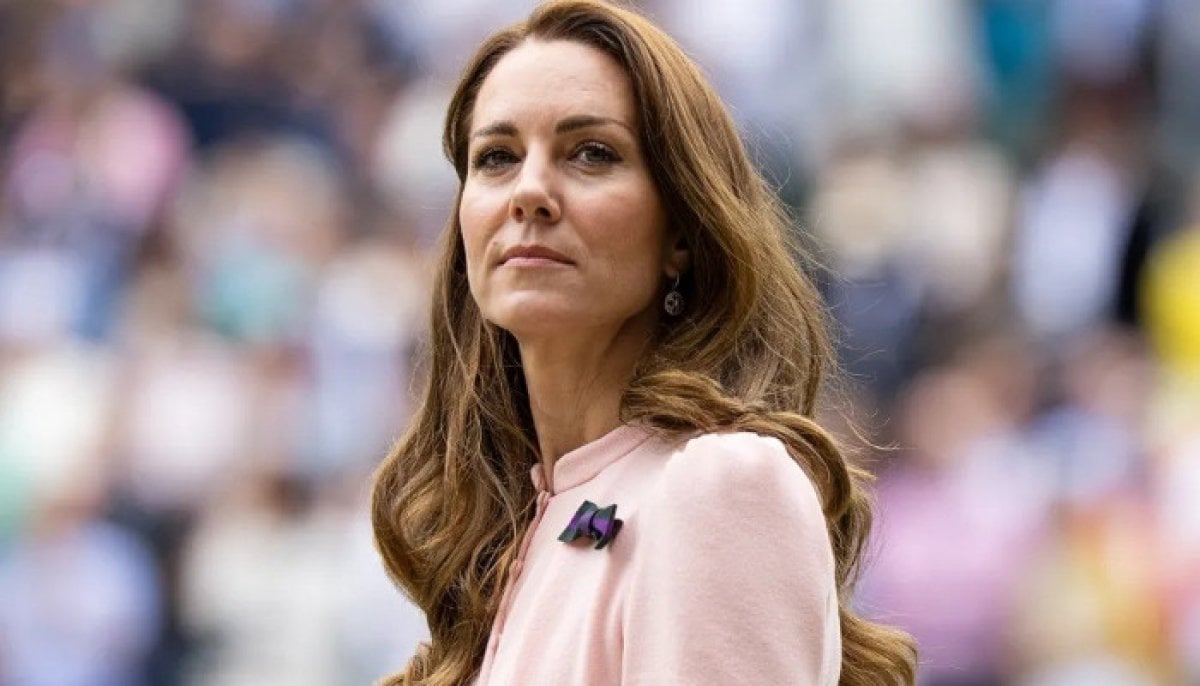 ‘Progressive’ Kate Middleton snubs outdated Royal etiquette
 -
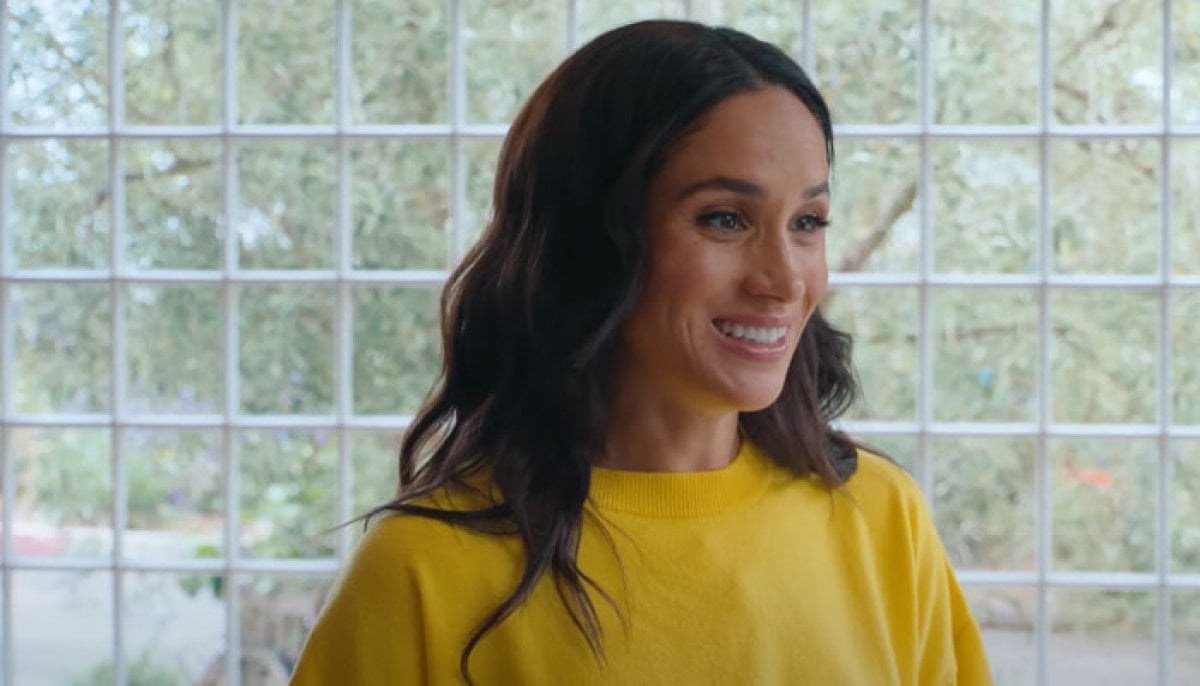 Meghan Markle is above Royal Family ‘empty threats,’ says insider
 -
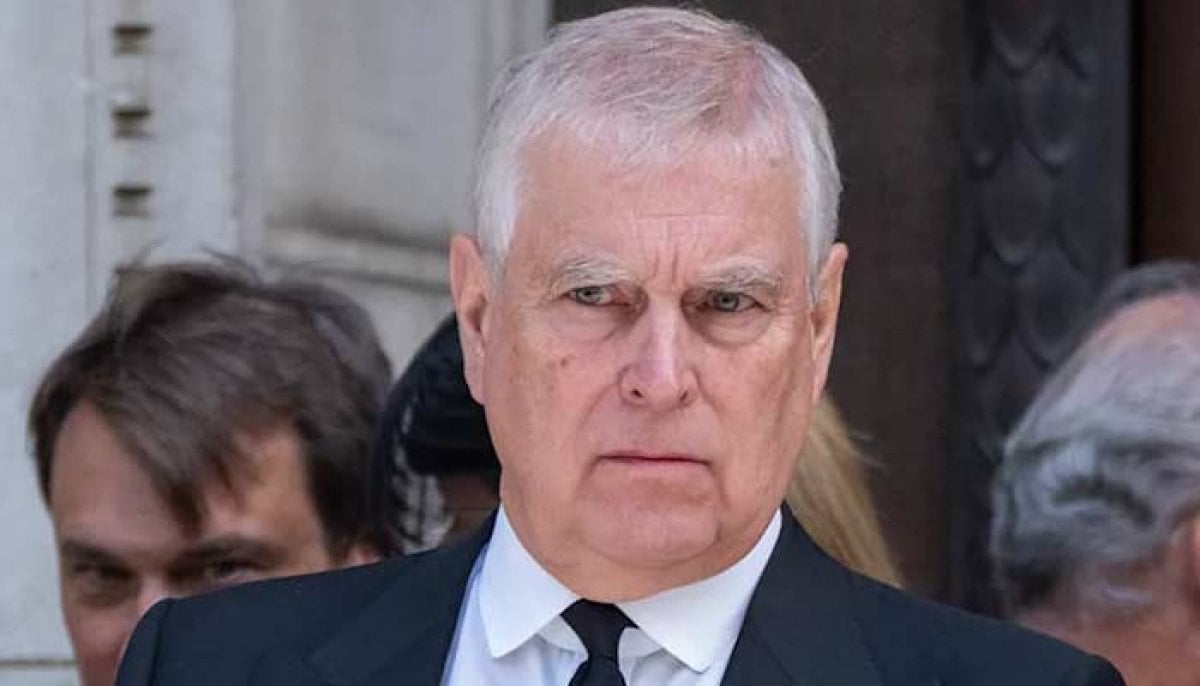 Shamed Andrew should testify in Epstein case as ‘act of service’
 -
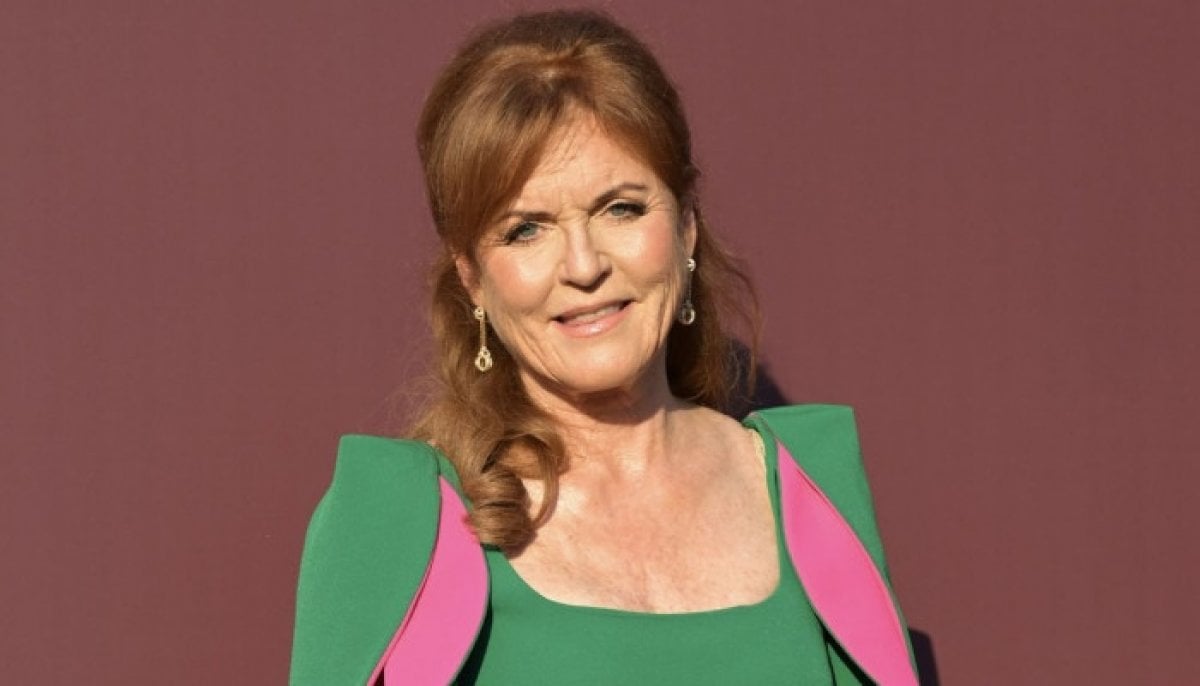 Sarah Ferguson branded ‘most famous missing person’ in UK right now
 -
 Why King Charles does not need a driving license? Expert reveals
 -
 ‘Polite’ King Charles treats staff better than ‘boorish’ Andrew
 -
 Princess Beatrice's husband raises eyebrows with deleted Instagram post
 -
 Prince William, Kate Middleton mark 'historic moment'