Record warm seas lure exotic species to UK waters
The record-breaking warming of seas has brought the distinct changes in marine ecosystem
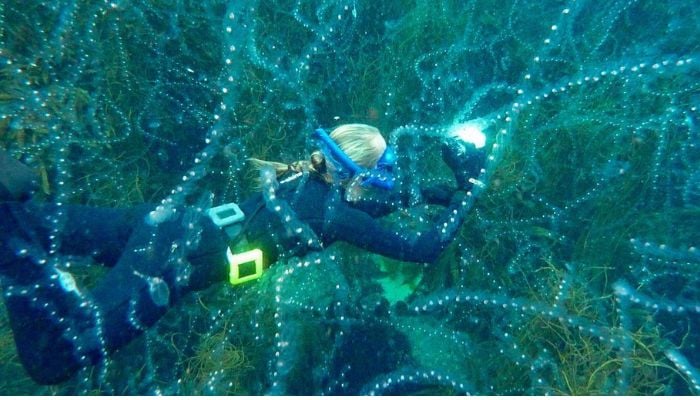
The UK seas have experienced an unprecedented rise in temperatures to record levels this year, bringing dynamic changes for marine ecosystems.
From January to July, the average surface temperature of U.K. waters was the highest since records began in 1980.
According to the scientists, the change in ocean temperatures is linked to climate change driven by anthropogenic activities.
Consequently, the warmer seas have not only lured the new species but also jeopardized the existence of existing species.
In the past years, divers, anglers, and scientists have reported more sightings of bluefin tuna, octopus, and mauve stinger jellyfish which is unusual for UK waters.
The reason behind the abundance of these unusual species is scientifically linked to the warming seas.
Dr Bryce Stewart, senior researcher at the Marine Biological Association in Polymouth said: “Things like jellyfish and octopus…they are sort of things that you expect to respond quickly to climate change.”
Besides jellyfish, the number of Bluefin tuna has been on the rise over the past decade in south-west England due to changes in water temperatures and better management.
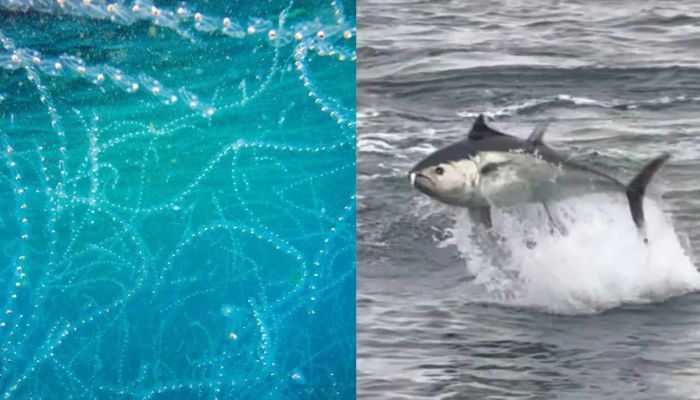
Similarly, the large blooms of salps have become a common sight despite being rare in the UK.
Warmer seas have also caused trouble for cold water species like cod, wolf fish, and whelks. Dr Stewart said: “We are definitely seeing this shift of cooler water species moving north in general.”
According to Fishermen in Kent, whelks, which are vital for their income, have died in large numbers during recent marine heatwaves. Cod have also already moved further north to cooler waters.
Marine experts warn that ocean heatwaves are now happening more frequently and getting stronger.
The UK experienced historic heatwaves in 2023 and 2024. In 2025 it is also bracing for more scorching temperatures.
Fishing communities may have to target new types of fish, and people might need to change the seafood they eat.
Scientists say these changes are a clear warning of what will happen in the near future if sea temperatures keep rising to alarming levels.


-
 Dubai becomes millionaire hotspot after 102% wealth surge: Report finds
 -
 ‘It's time to say goodbye’: Gary Stevenson pauses YouTube channel amid mental health struggles
 -
 Lamine Yamal strongly warned about romance with girlfriend Ines Garcia
 -
 Lamine Yamal’s girlfriend Ines Garcia hits 4 Instagram followers after Spain’s World Cup win
 -
 US sports betting nears $300 billion as experts warn of addiction risks
 -
 Are we closer to a real-life ‘genie’ that grants any wish: Here's what Sam Altman thinks
 -
 Elon Musk’s recent claim about Bill Gates sparks fresh online controversy
 -
 Watch: Kaitlan Collins’ reaction to Trump’s remarks
-
 Max Verstappen slams ‘broken’ Red Bull after Hungary shocking qualifying disaster
 -
Trump reacts to Ferran Torres' viral 'Make Spain Great Again' hat
-
Ferran Torres, Marcos Llorente become target of false claims after Ibiza photos go viral
-
Typhoon Noul nears Southern China, prompting high alerts and public transport suspensions