
US funding slash cannot silence mRNA vaccines success, here’s why
Despite the US $500 million funding block, mRNA vaccines viability is hard to ignore
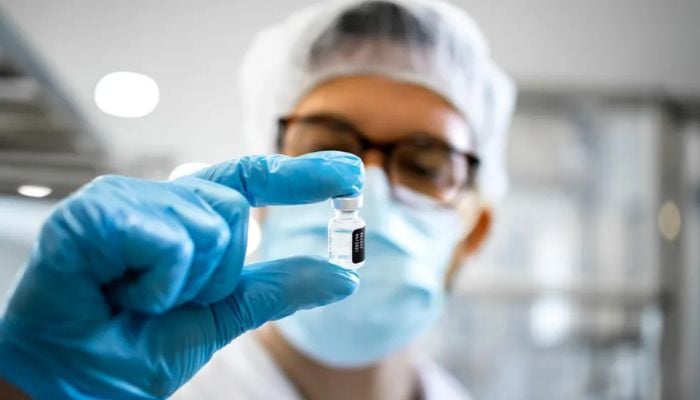
The US Department of Health and Human Services led by Robert F Kennedy Jr. has announced to slash $500 million (£376m) in funding for mRNA vaccines and ended 22 federal contracts with pharmaceutical companies including Moderna.
Kennedy issued a statement, saying, “We are shifting that funding towards safer, broader vaccine platforms that remain effective even as viruses mutate.”
The unexpected move towards vaccine skepticism has sent shockwaves around the scientific community, raising concerns about global health.
Concerns of the health experts
Professor Kjesten Wiig, Co-director of the RNA Development Platform said: “The recent decision out of the US to cut funding for mRNA vaccine development represent a new low for the American medical and scientific community, one that risks undermining the decades of progress in public health and infectious disease preparedness.”
According to Dr. David Elliman, Honorary associate professor, “This is a very worrying development as mRNA vaccines were an extremely important tool in saving the lives of people from COVID. This development is a retrograde step for the development of mRNA vaccines of greater concern.”
mRNA vaccines viability against skepticism
The US administration has ended the funding on grounds of calling the mRNA Covid jabs “the deadliest vaccine ever made” as these vaccines fail to protect against upper respiratory infections.
However, the researchers have refuted the claims. According to the health community, the effectiveness of mRNA against diseases makes it a viable and impressive option too hard to ignore.
Prof Andrew Pollard from the Oxford Vaccine Group that led the development of Oxford-AstraZeneca Covid-19 vaccine, negated these baseless claims of ineffectiveness of mRNA vaccines against Covid and flu saying “just isn’t true.”
It is estimated that the Pfizer/BioNTech mRNA vaccine alone saved nearly 6 million lives in the first year of vaccination during the pandemic.
When it comes to battling the Covid, mRNA vaccines outperformed inactivated ones, says Prof Pollard.
Moreover, measles vaccines have also been effective for decades and showed no signs of failing in all these years.
The mRNA technology also helps in saving millions of lives. According to Pollard, “If there was an influenza pandemic it would take 5 to 6 months to make a vaccine using the traditional way. On the other hand, it just takes 6 weeks to create millions of doses with mRNA , which in turn can be scaled to tens and hundreds of doses more quickly.”
mRNA vaccines also possess huge potential in other health domains, such as cancer as last year doctors have trialled the world’s personalised mRNA cancer vaccine for melanoma, hailing it as a game changing breakthrough.
In 2023, the researchers who paved the way for mRNA technology won a Nobel Prize.
Despite massive success of mRNA vaccines, the funding cut will somehow impact global health especially in third world countries and enhance vaccine hesitancy.






-
 Ryan Coogler makes rare statements about his impact on 'Black cinema'
 -
 Timothee Chalamet admits to being inspired by Matthew McConaughey's performance in 'Interstellar'
 -
 Michael B. Jordan gives credit to 'All My Children' for shaping his career: 'That was my education'
 -
 Milo Ventimiglia calls fatherhood 'pretty wild experience' as he expects second baby with wife Jarah Mariano
 -
 Charli XCX applauds Dave Grohl’s 'abstract' spin on viral ‘Apple’ dance
 -
 Eric Dane's wife Rebecca Gayheart shares family memories of late actor after ALS death
 -
 Eric Dane's girlfriend Janell Shirtcliff pays him emotional tribute after ALS death
 -
 Sam Levinson donates $27K to Eric Dane family fund after actor’s death