NASA TRACERS mission investigates how space weather impacts Earth
NASA’s science mission TRACERS was launched on July 23, 2025
NASA is set to explore how solar activity affects the magnetic field of Earth in its groundbreaking mission Tandem Reconnection and Cusp Electrodynamics Reconnaissance Satellites (TRACERS).
The mission will examine magnetic reconnection, a significant process in space weather which causes upheaval of satellites, GPS systems and even causes dazzling auroras.
How TRACERS works
There are funnel-shaped openings in Earth’s magnetic field known as polar cusps. The twin TRACERS satellites are orbiting Earth via these polar cusps. Through these regions, solar wind particles enter the atmosphere of Earth triggering magnetic reconnection events where field lines break and reconnect liberating energy.
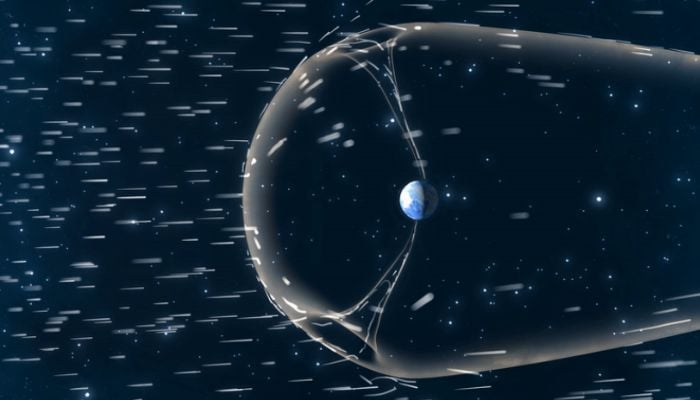
Being in sun-synchronous orbit, the satellite continuously observes these interactions on Earth’s dayside giving unprecedented data on how rapidly these events evolve.
As there are two spacecraft, researchers will gather data quickly to observe instant changing patterns and evolve the database by comparing the data collected by each spacecraft.

Collaborations with other missions
TRACERS is also collaborating with other NASA missions that are working on space weather including:
- Magnetospheric Multiscale Mission (MMS) investigates reconnection in deep space
- Polarimeter to Unify the Corona and Heliosphere (PUNCH) explores solar wind from the Sun’s corona.
- Electrojet Zeeman Imaging Explorer (EZIE) analyzes electric currents in Earth’s atmosphere.
By complementing each other, these missions can paint a full picture of how solar energy flows into our magnetosphere.
Significance of mission
While magnetic reconnection causes stunning auroras, it also poses threats to technology. By understanding these processes, scientists can predict and mitigate disruptions to communications and navigation systems.
The Southwest Research Institute and the University of Iowa are managing and leading the research respectively.
With contributions from the University of California, Los Angeles (UCLA) and UC Berkeley, the mission focuses on unveiling new insights into the dynamic association between the Sun and Earth.


-
 New Xbox chief says ‘hard choices’ ahead in major reset
 -
 Two dogs emerge alive from massive inferno that gutted family business
 -
 Jamie Laing becomes a part of 'Dragon's Den'
 -
 Donald Trump calls out A-list artists who pulled out of Freedom 250 concert
 -
 Harry Hamlin feels immense pride in daughters' career choices
 -
 Jamie Lee Curtis heartbroken as she announces sister Kelly's death
 -
 Rafael Jodar explains what happened to ball girl after viral video sparks backlash
 -
 Backrooms leads Hollywood’s new YouTuber box office boom