
Mediterranean heatwave threatens marine life like never before
Sea surface temperature has exceeded to 30°C (86°F) since late June near Spain's Mallorca and Portugal's Algarve coast
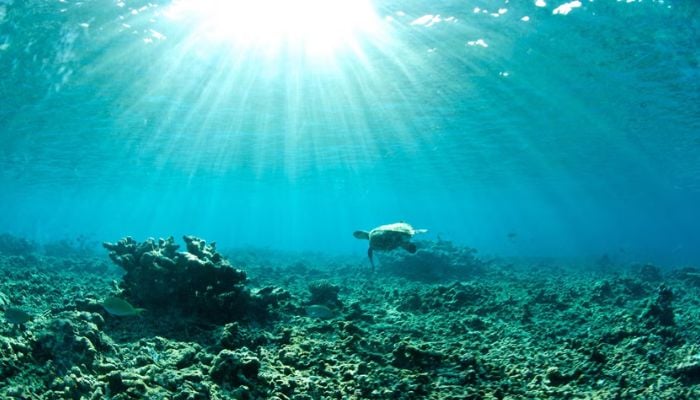
The Mediterranean Sea is going through a severe marine heatwave which will have devastating consequences for underwater life. Since June 2024, a shocking 5°C raise above normal levels has been noticed exceeding 30°C (86°F).
Officials from Portugal’s maritime authority have confirmed an official marine heatwave persisted from June 28 to July 9 noting these extreme conditions are unprecedented for early summer.

In view of marine biologists, these persistent harsh temperatures can trigger mass deaths of sensitive species, can cause coral bleaching events and may lead to disruptive reproductive cycles that can further destabilise entire ecosystems.
“I remember diving in September four years ago and finding skeletons of many populations,” recalls ecologist Emma Cebrian.
Sea weeds and seagrasses that are highly essential to store carbon are particularly vulnerable to these extreme weather conditions. Even species that survive under high temperature have also entered survival mode skipping reproduction with potentially devastating consequences for future populations.
Researcher Dan Smale warns that these devastating consequences can ripple through human communities that depend on fisheries. He also referred to the fast-warming Mediterranean as “a canary in the coal mine for climate change.”
On a broader aspect, the Mediterranean heatwave is also fueling other extreme weather.
Warmer seas raise evaporation, adding moisture to the atmosphere that can supercharge rainfall events. Such a phenomenon was associated with recent devastating floods in Libya and Valencia.
Considering current circumstances, the planet continues warming with scientists predicting an early warning for changes that eventually affects worldwide oceans malignantly.
The current heatwave's arrival suggests the weather extremes are becoming more intense, potentially pushing marine ecosystems beyond known limits of adaptation.





-
 Daniel Radcliffe on how it's like seeing new Harry Potter cast years later
 -
 Hailey Bieber's subtle gesture for Eric Dane’s family revealed
 -
 Paul Mescal and Gracie Abrams stun fans, making their romance public at 2026 BAFTA
 -
 BAFTA Film Awards Winners: Complete List of Winners
 -
 Ryan Coogler makes rare statements about his impact on 'Black cinema'
 -
 Timothee Chalamet admits to being inspired by Matthew McConaughey's performance in 'Interstellar'
 -
 Michael B. Jordan gives credit to 'All My Children' for shaping his career: 'That was my education'
 -
 Milo Ventimiglia calls fatherhood 'pretty wild experience' as he expects second baby with wife Jarah Mariano