
Climate change on your plate: why staple foods are becoming luxury items
A new report reveals the alarming connection between climate change and food price instability
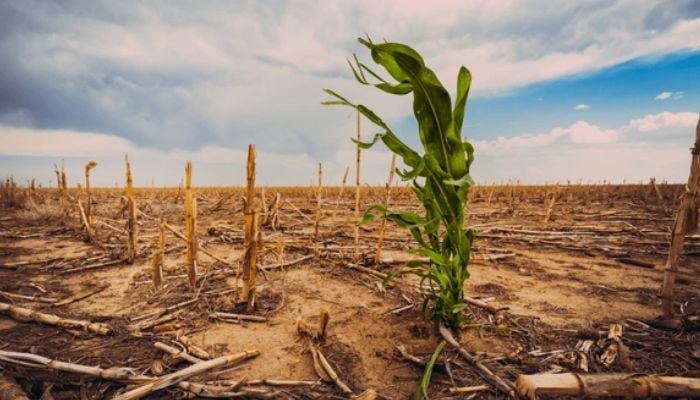
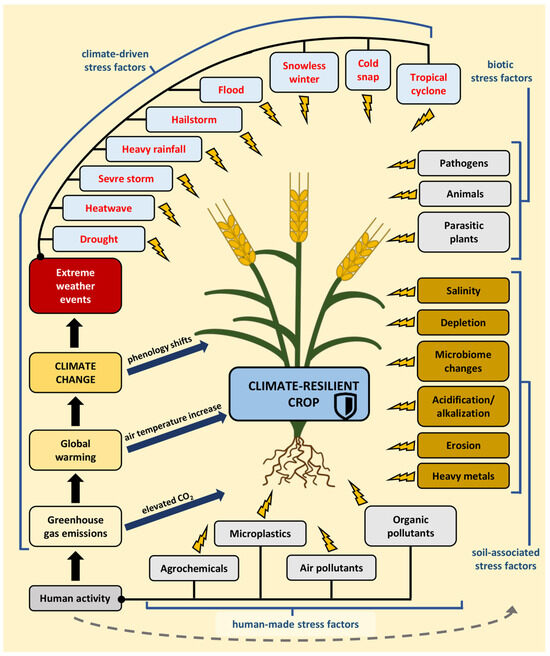
Climate change is a significant global problem of this century. Till date, the major assumptions of changes driven by climate change are associated with rising temperature and extreme weather events without knowing that the impact of climate change extends far beyond this.
Recent study reveals that climate change also plays a critical role in surging food prices and it can lead to malnutrition, political upheaval, and social unrest as the world’s poorest are hit by shortages of food staples.
The extreme weather events due to climate change drives an unprecedented spike in the cost of staple crops worldwide which have long-lasting drastic effects.
The study links recent price surges for indispensable commodities such as UK potatoes, South Korean cabbages, Indian onions, and Ghanaian cocoa to extreme weather patterns that “exceeded all historical precedent prior to 2020.”
These disruptions lead to a cascade of consequences ranging from adverse malnourishment among vulnerable populations to complicating central banks’ efforts to control inflation.
The research comes at a crucial time as world leaders prepare to convene at the UN Food System Summit on July 27, 2025, to discuss rising threats to global food security.
Climate shocks trigger agricultural disruptions
The report also covers how climate extremes have disrupted harvest patterns across multiple continents.
In West Africa, unusual shifts in temperatures following prolonged drought in Ghana and Ivory Coast cause cocoa prices to surge by 300% as the regions produce 60% of the world’s supply.
Cocoa is usually harvested in March, so adverse weather conditions in February may lead to catastrophic crop failures. Similar patterns can be seen in the UK where drought conditions contributed to higher food inflation and delayed anticipated interest rate cuts.
18 countries were examined in the research and changing patterns were seen from 2022 to 2024 revealing persistent correlations between heatwaves, droughts, heavy rainfall, and subsequent food price volatility.

The aftermath of these disruptions are not only limited to one area but they simultaneously affect multiple critical growing regions unlike historical food shocks that usually affected single commodities or regions.
Political consequences of food inflation
Consequences of these price impulses reach much beyond the economy. With the rising cost of staple foods, low income families need to find cheaper substitutes preferably of less nutritional value thus exposing their family to diet related illnesses such as diabetes and heart diseases.
The political ramifications can also be quite devastating and the report hinted on how even in the modern democracies food inflation has had an effect on the election process outcomes.
According to lead researcher Maximilian Kotz, “the cost of living clearly played a role in last year's election in the US.” Historical precedents such as the Mozambique bread riots in 2010, when Russian export bans of wheat caused by heatwaves led to social unrest should make us aware of how instantly food insecurity results in social unrest.
Experts predict that the world will be thrown into a new age of chronic food system instability, as long as climate change continues to exacerbate such weather extremes until we reach net-zero emissions.
Urgent need for systemic solutions
It is also important to note that the traditional responses to food security could not be beneficial when it comes to dealing with the volatility caused by climate.
To cope up with the current situation, there is a need to make investment in climate-resistant crops, better early warning of price shocks and improved international coordination to handle world food stocks.
As Professor Raj Patel of the University of Texas has noted, “Food price inflation is always political” and this makes it more difficult and more pressing to respond to it.






-
 Eric Dane's wife Rebecca Gayheart shares family memories of late actor after ALS death
 -
 Eric Dane's girlfriend Janell Shirtcliff pays him emotional tribute after ALS death
 -
 Sam Levinson donates $27K to Eric Dane family fund after actor’s death
 -
 Timothee Chalamet rejects fame linked to Kardashian reality TV world while dating Kylie Jenner
 -
 Sarah Chalke recalls backlash to 'Roseanne' casting
 -
 Willie Colón, salsa legend, dies at 75
 -
 Touching Eric Dane moment with daughter emerges after viral final words
 -
 Ryan Coogler explains why his latest project 'Sinners' is so close to his heart