Trump’s Middle East trip signals a foreign policy overhaul
"Trump’s Riyadh speech marked clear and consequential shift in US policy towards Middle East," says analyst
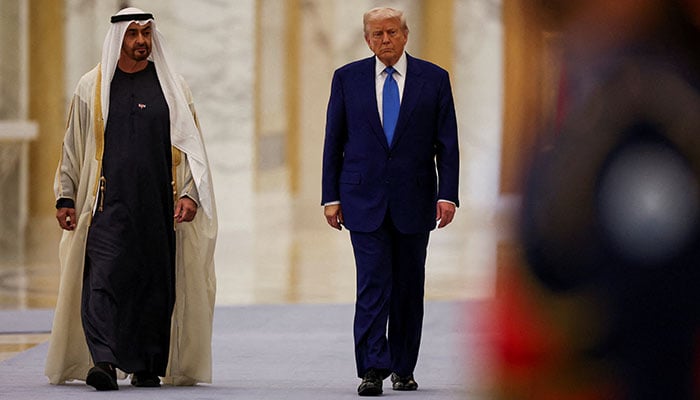
WASHINGTON: President Donald Trump’s visit to the Middle East made one thing clear that the United States is taking a new approach — a new foreign policy based instead on his famed art of the deal.
He moved away from military talk and nation-building, and instead focused on trade, money and strongman alliances.
President Donald Trump proclaimed a decisive break with decades of US interventionism during his Middle East tour, promising a new American foreign policy based instead on his famed art of the deal.
Trump vowed during his visits to Saudi Arabia, Qatar and the United Arab Emirates that there would be no more "lectures on how to live," praising the region for achieving a "modern miracle the Arabian way."
In a dramatic departure from his predecessors, Trump criticised what he called the "neo-cons" responsible for bloody US military interventions in the Middle East and beyond.
"In the end, the so-called nation builders wrecked far more nations than they built," Trump told an investment forum in Riyadh, his first stop in the Gulf.
"Far too many American presidents have been afflicted with the notion that it’s our job to look into the souls of foreign leaders and use US policy to dispense justice for their sins."
Though he did not name them, his targets were clear.
His Democratic predecessor Joe Biden sought to link US support to the promotion of human rights and international order. Meanwhile, Republican George W. Bush launched wars in Afghanistan and Iraq in the early 2000s.
‘Consequential shift’
"Trump’s Riyadh speech marked a clear and consequential shift in US policy towards the Middle East," said Sina Toossi, from the Centre for International Policy.
"By rejecting the legacy of military intervention and nation-building, he signalled a move towards realism and restraint. This shift resonates deeply in a region exhausted by war and foreign meddling."
However, Trump’s approach also means overlooking democracy and human rights concerns while embracing the leaders of oil-rich monarchies with autocratic tendencies.
His Saudi host, Crown Prince Mohammed bin Salman, was found by US intelligence to have ordered the gruesome murder of dissident writer Jamal Khashoggi in 2018. Yet there was no mention of that in Riyadh.
Instead, Trump promoted the same transactional politics that he advocates at home.
Saudi Arabia, Qatar and the United Arab Emirates signed a series of lucrative business and investment deals with the United States during his trip, gaining Trump’s praise for being examples of what the region could become.
‘American power’
Yet Trump’s deal-making approach to foreign policy could soon face its limits.
He has expressed willingness to seek a deal with Iran over its nuclear programme—stating, "I have never believed in having permanent enemies."
At the same time, he has threatened military action against Tehran if an accord is not reached.
Trump left the Middle East without any progress towards a deal to end the war in Gaza, despite his pledges to resolve the conflict. However, he did make a rare reference to the fact that people were now "starving" in the besieged enclave.
Further afield, Trump attempted to coax Russia’s Vladimir Putin into talks in Istanbul to discuss ending Moscow’s invasion of Ukraine, but his efforts proved unsuccessful.
Trump’s "peace through strength" doctrine also has its contradictions.
During a visit to a major US air base in Qatar, he stated, "My priority is to end conflicts, not start them."
Yet he immediately followed this by saying, "I will never hesitate to wield American power if it’s necessary to defend the United States of America or our partners."


-
 Sheriff Chris Nanos insists Nancy Guthrie was taken alive
 -
 Yankees extend Brian Cashman's tenure after another disappointing playoff exit
 -
 Poland's abortion ban faces new challenge as lawmakers vote to loosen restrictions
 -
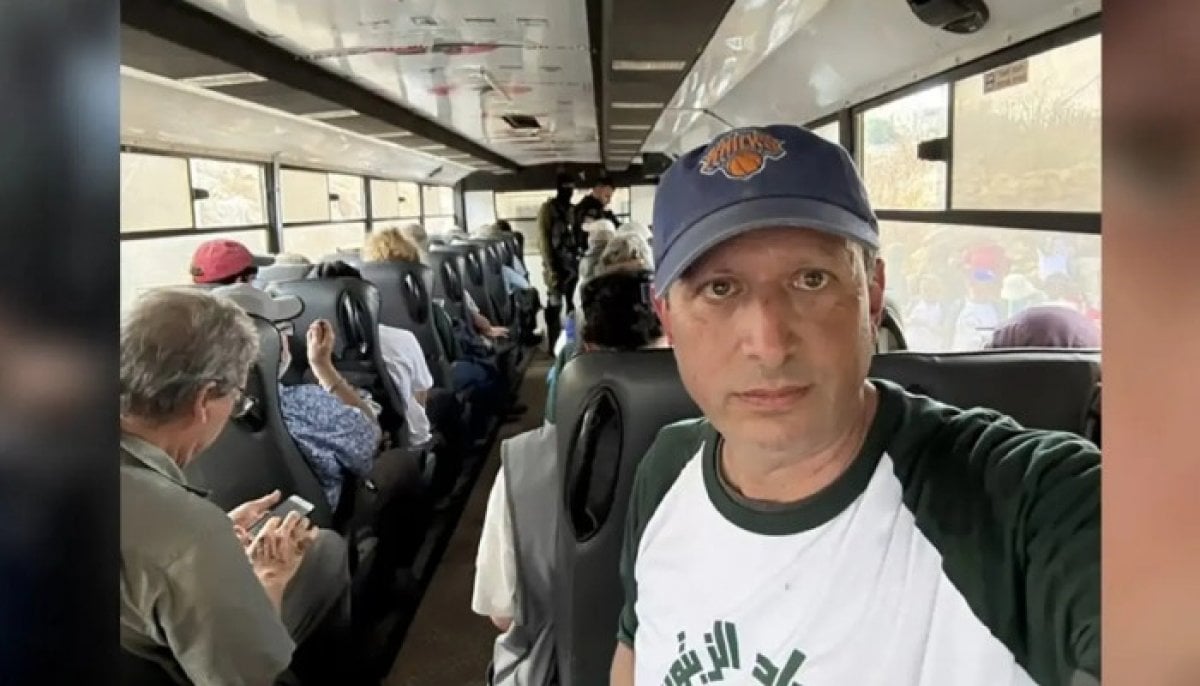 New York Democrat Brad Lander released after detention in West Bank
 -
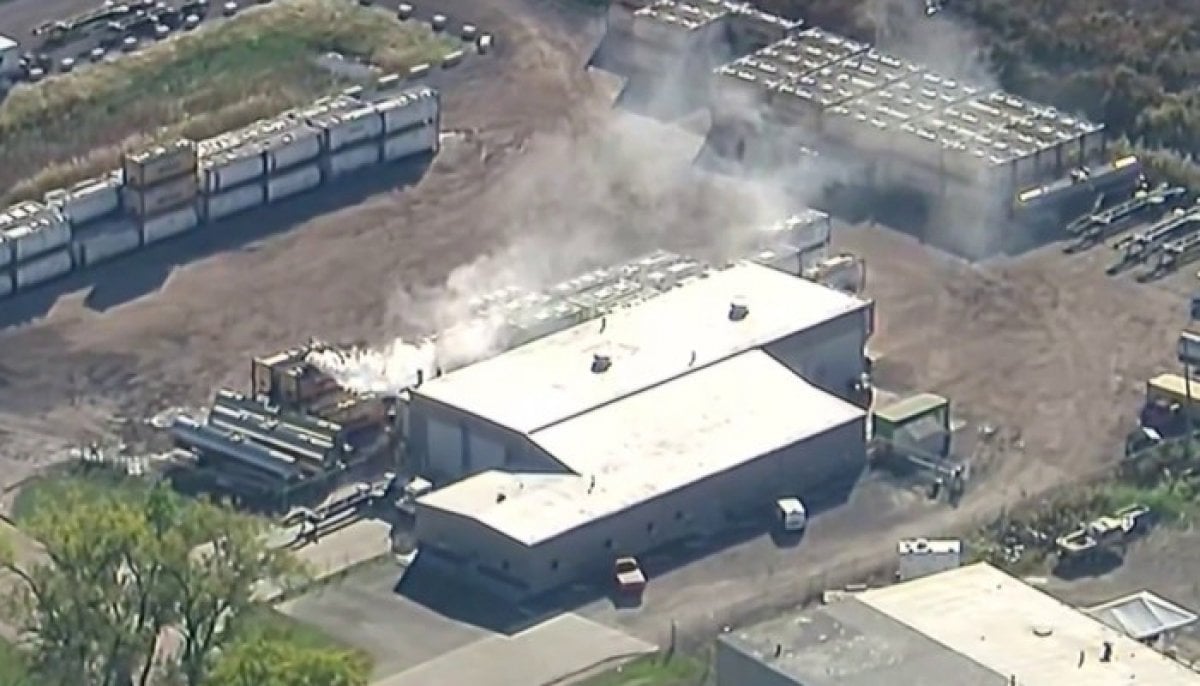 Ohio chemical tank explosion triggers mass evacuations and shelter-in-place orders in Toledo
 -
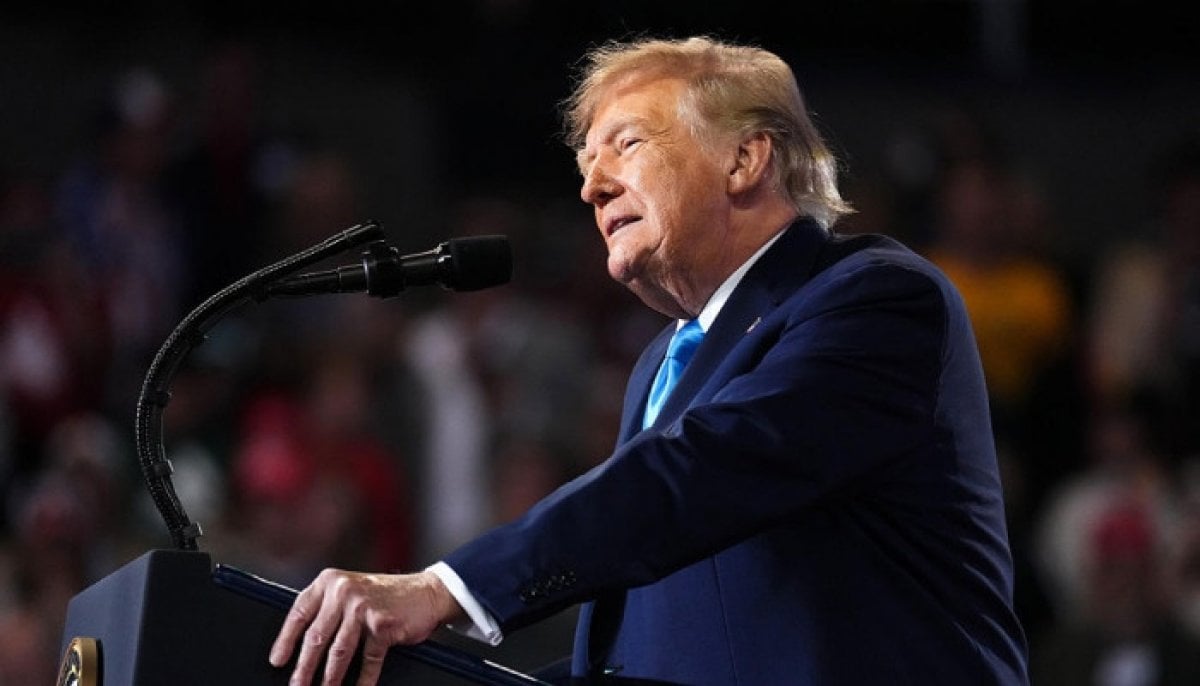 Trump suffers record low approval rating weeks before US midterm elections
 -
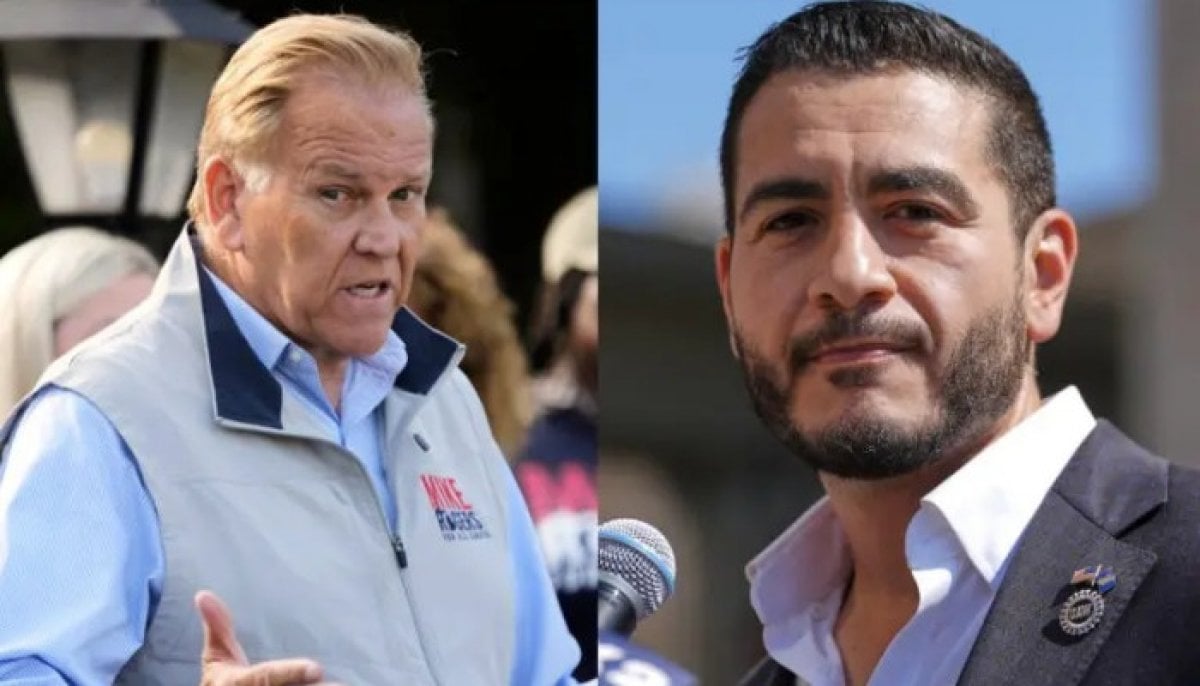 El-Sayed leads Rogers by a narrow margin as Michigan Senate election approaches
 -
 Russia ready for new Ukraine peace talks in November after Putin-Witkoff meeting
-
 Macron warns Trump, other foreign leaders to stop using France riots for political gain
 -
Cost of living crisis deepens as fuel price surge pushes UK inflation to 10-month high of 3.5%
-
Ukraine’s Zelenskyy backs ceasefire, calls for fresh talks with US and Russia
-
Pope Leo XIV rides popemobile for first time since lung cancer surgery