'Unsettling' slowdown witnessed in global development since 2024, says UN
Post-Covid rebound appears to be losing momentum, according to the UNDP’s annual report

UNITED NATIONS: Long before US President Donald Trump drastically reduced US global aid, humanity witnessed an unexpected and "unsettling" downturn in development in 2024 as the post-pandemic recovery started to wane around the world, the UN warned in a report on Tuesday.
According to the UN's Human Development Index (HDI), which tracks health, education, and living conditions, the world had recovered from the shock of the Coronavirus pandemic by 2023.
But that rebound appears to be losing momentum, as per the United Nations Development Programme (UNDP)’s annual report, released on Tuesday.
If that "unsettling" slowdown becomes the new normal, achieving levels of human development once hoped for by 2030 "could slip by decades — making our world less secure, more divided, and more vulnerable to economic and ecological shocks," warned UNDP head Achim Steiner.
Recent drastic cuts to international aid announced by several countries — most notably the United States, where Trump has slashed programmes and dismantled USAID, the country’s main foreign development arm — will exacerbate the issue, Steiner told AFP in an interview.
If wealthy countries stop funding development, "this will ultimately impact economies, societies, and yes, I think it will also register maybe a year or two down the line in the Human Development Index, lower life expectancy, declining incomes, [and] more conflicts," Steiner said.
UNDP experts are not yet certain of the underlying causes of the slowdown observed in 2024.
But they have identified one of the driving forces as a slackening of progress in life expectancy, perhaps linked to the side-effects of Covid, or to the wars that are multiplying around the world.
There is a potential glimmer of hope: artificial intelligence could create the conditions for kickstarting development, the UNDP suggested.
AI "is perhaps the greatest potential pivot in putting development of individual economies, but also of maybe poor people, wealthy people, on a different trajectory. It will change virtually every aspect of our lives," Steiner said.
The report stressed that it would come down to how people use the technology, however.
There are risks. Access to AI in poorer countries is not the same as in wealthier ones, and cultural biases could influence the way the tools are developed, it said.
But "we can design for reducing that risk," said Steiner, adding that it should not be an impediment to using AI for medical research, for example.
"The future is in our hands," the UNDP report said.
"Technology is about people, not just things. Beneath the razzle-dazzle of invention lurk important choices, by the few or the many, whose consequences will reverberate across generations."


-
 Crow flocks over Israel spark conspiracy theories
 -
 Former UK MP Crispin Blunt pleads guilty to crystal meth possession case
 -
 Inside Trump’s 15-point plan: Global stocks climb as oil falls on hopes of Iran peace deal
 -
 Savannah Guthrie adopts new strategy in search of her missing mother Nancy
 -
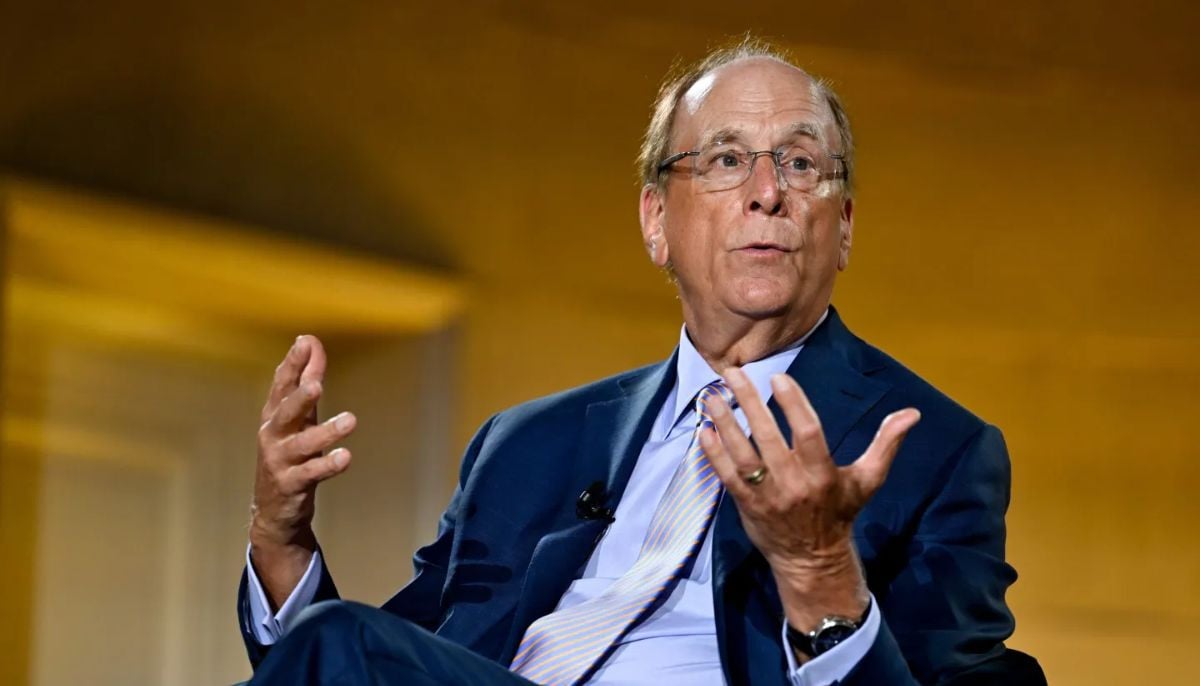 Is world heading toward global recession in 2026? Larry Fink warns of looming risk
 -
 Nanaimo weather improves as BC lifts flood advisories following days of heavy rainfall
 -
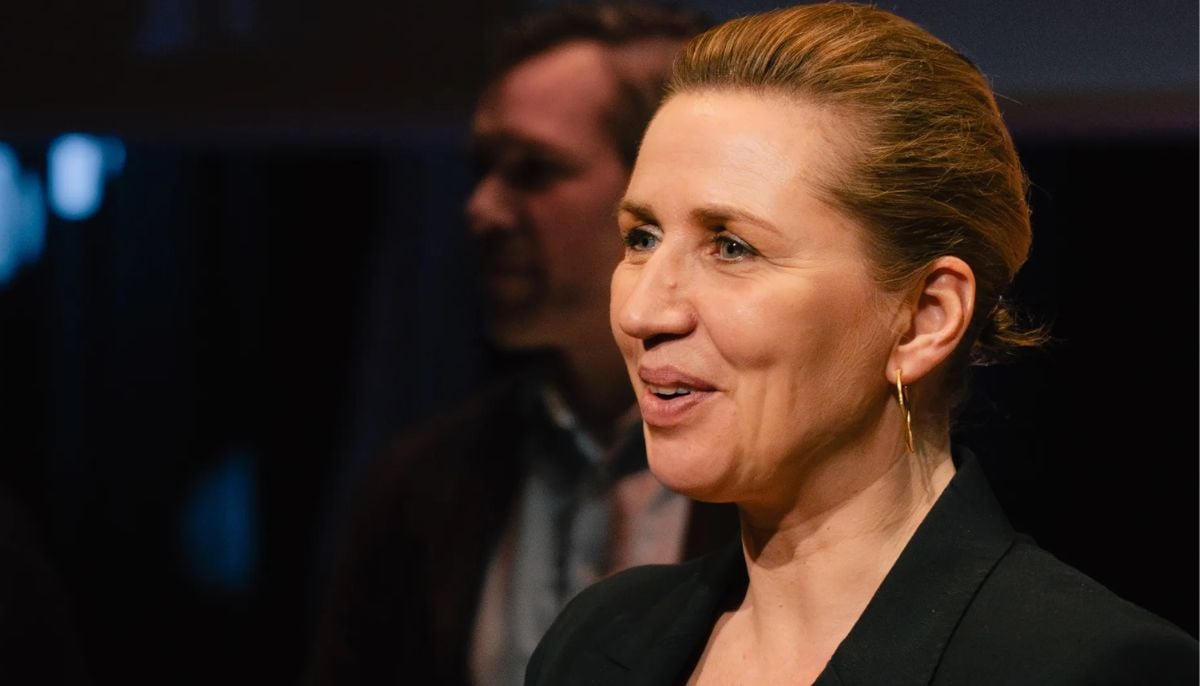 Denmark election: Frederiksen faces tough coalition negotiations after losing majority
 -
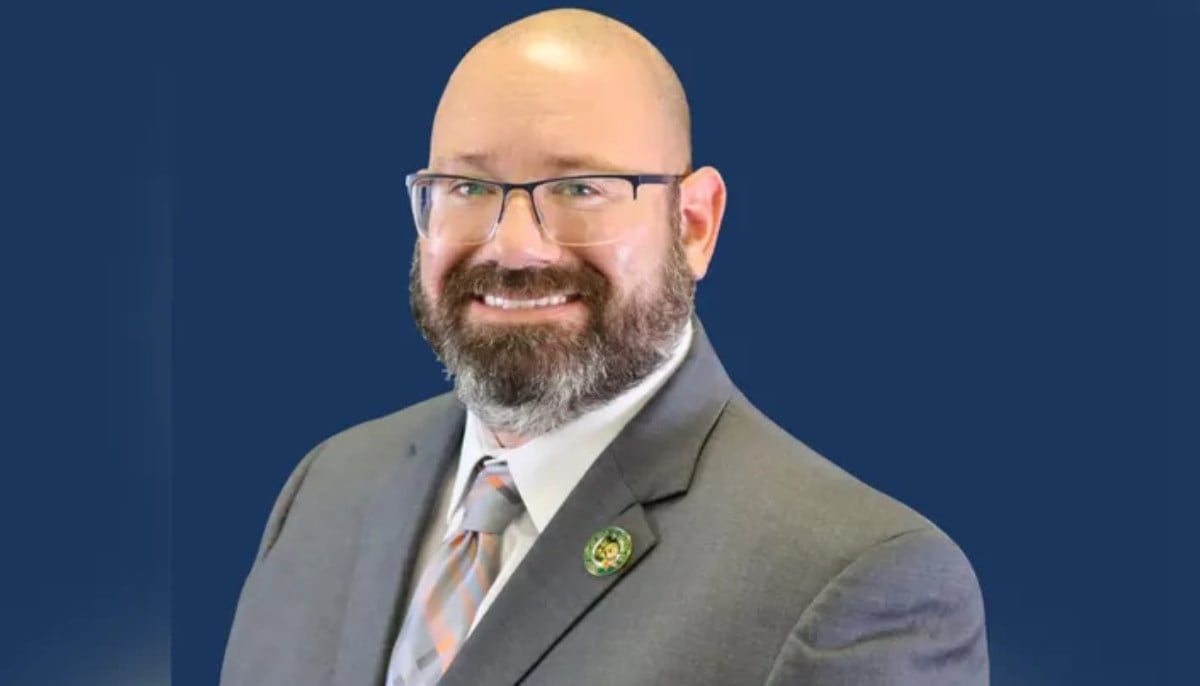 Brian Nathan wins close Florida Senate race with recount possible after narrow lead
-
 National Hurricane Centre updates forecast cone to improve storm tracking and warnings for 2026
 -
Canada federal minimum wage increase confirmed with new $18.15 rate starting April 1
-
Jyoti Gondek named in RCMP probe as warrants executed in Calgary City Hall investigation
-
Emily Gregory secures major win in Florida as Democrats flip Trump's Mar-a-Lago district