Iran to face sanctions lifted ten years ago if no nuclear deal: France
"Iran has crossed all boundaries it had committed to respect," says Jean-Noel Barrot
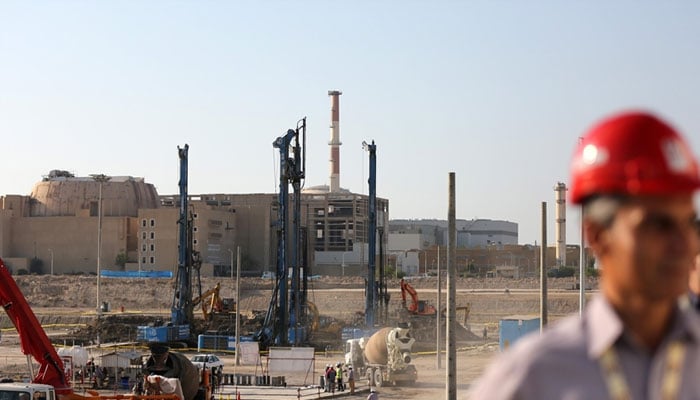
UNITED NATIONS: France, Germany, and the United Kingdom will not hesitate to reimpose sanctions against Tehran if European security is threatened by Iran’s nuclear programme, the French foreign minister said at the United Nations on Monday.
"Iran has crossed all the boundaries it had committed to respect," and the country "is on the verge of acquiring nuclear weapons," Jean-Noel Barrot told reporters after a closed-door meeting of the Security Council on non-proliferation, which he had convened.
"There is no military solution to the Iranian nuclear problem. There is a diplomatic path to achieve it, but it is a narrow road," he added.
Barrot voiced hope that the ongoing negotiations between Tehran and Washington on the issue would bear fruit, adding that France, Germany, and the United Kingdom were in "close contact" on the issue with US Secretary of State Marco Rubio.
The highest-level talks in years between long-time foes Washington and Tehran are targeting a new deal that would stop Iran developing nuclear weapons — an objective Tehran denies pursuing — in return for relief from sanctions.
US President Donald Trump pulled out of an earlier, multilateral agreement on Iran during his first term.
"It goes without saying that upon the expiration of the Iranian nuclear deal... if European security interests are not guaranteed, we will not hesitate for a single second to reapply all the sanctions that were lifted 10 years ago," Barrot warned.
Last week, Rubio urged the three European states to decide whether to trigger the "snapback" mechanism under the 2015 agreement, which would automatically reinstate UN sanctions on Iran over its non-compliance.
The option to use the mechanism expires in October.
A return of sanctions would have "devastating effects on the country’s economy. This is not what we want, and that is why I solemnly call on Iran to take the necessary decisions today to avoid the worst," said Barrot.
Iran currently enriches uranium to 60 percent, far above the 3.67 percent limit imposed by the 2015 deal but still below the 90 percent threshold required for weapons-grade material.
Speaking alongside Barrot, IAEA Director Rafael Grossi also stressed that an agreement with Iran was crucial.
"It’s not a matter of months or years, it’s perhaps a matter of weeks where the world can really come to something that is doable, is feasible, and above all, avoids the spectrum of more military conflicts," he said.


-
 UK home secretary warns of sexual violence against women making Channel crossings
 -
 Russia investigates ‘unknown’ infection after plague lab researcher dies
 -
 US Coast Guard suspends massive search for missing Canadian air ambulance
 -
 France braces for more student protests as hundreds of schools close
 -
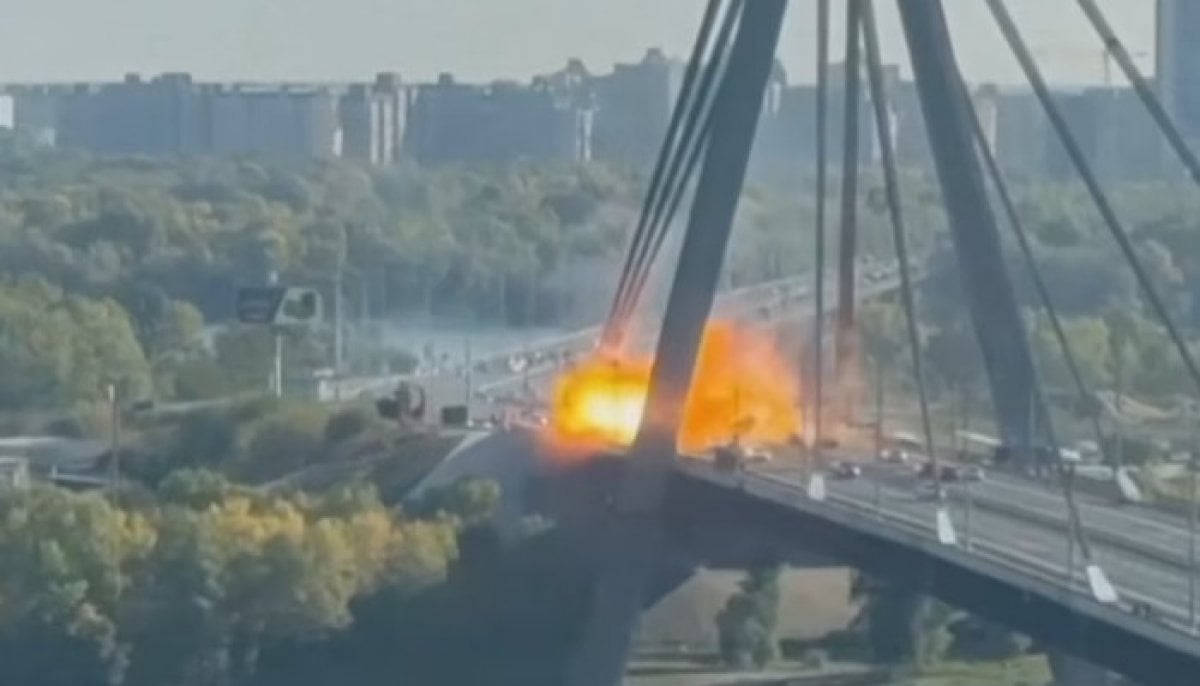 Russia attacks key Kyiv bridge as German chancellor arrives in Ukraine
 -
 Cornell rape accuser receiving threats after filing rape lawsuit, lawyer says
 -
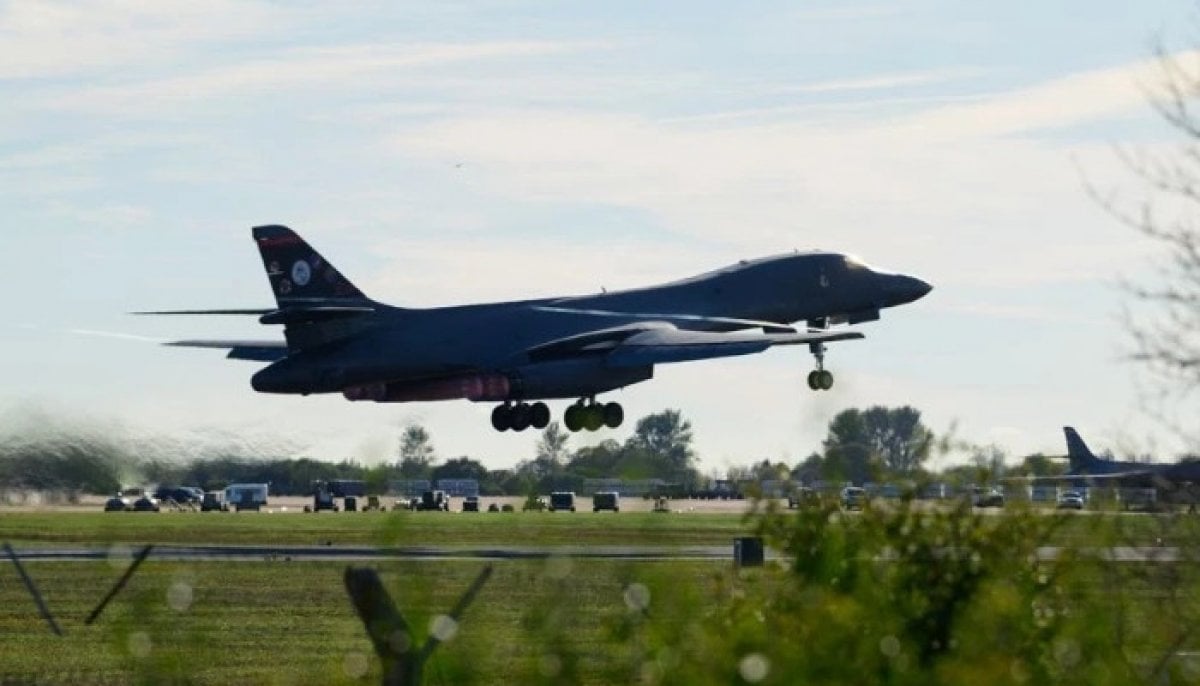 US Air Force pulls B-1 bombers from UK base after security threat intensifies
 -
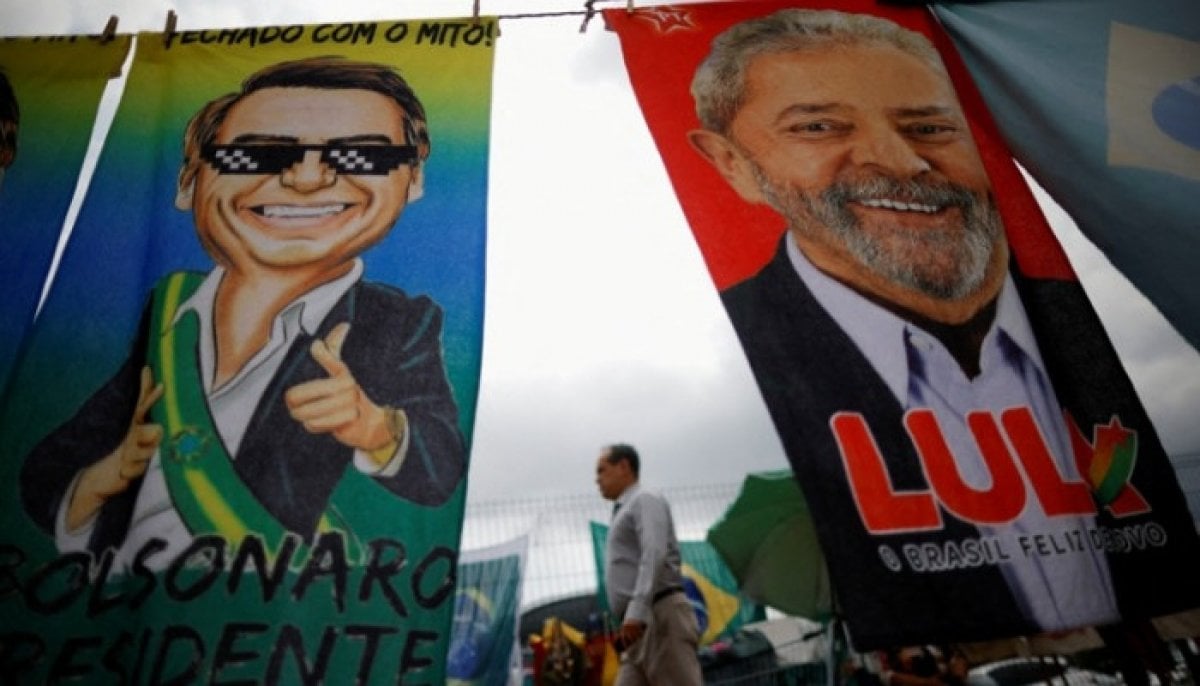 Brazil votes in tight race between Bolsonaro and Lula as polls close
-
 Georgia block party turns deadly as shooting kills 2 and injures dozens
 -
Kemi Badenoch pledges to end £100,000 childcare 'Cliff Edge' ahead of conservative conference
-
Heavy rains trigger dangerous flash flooding and road closures across Athens, Texas
-
UK PM Andy Burnham scraps Starmer-era plans to curb jury trials amid legal backlash: report