Military capabilities 'red lines' in US talks, warn Iran Guards
Both Tehran and Washington have called latest round of negotiations "constructive"
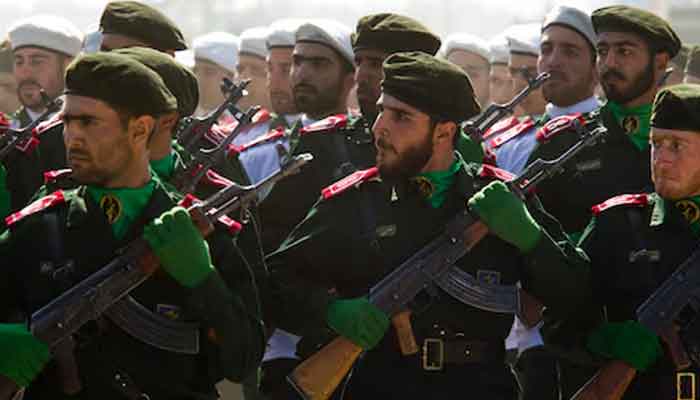
TEHRAN: Ahead of a second round of talks with the United States on nuclear programme, Iran's Islamic Revolutionary Guard Corps said on Tuesday the country's military capabilities were off limits.
"National security and defence and military power are among the red lines of the Islamic Republic of Iran, which cannot be discussed or negotiated under any circumstances," Guards spokesperson Ali Mohammad Naini said, quoted by state broadcaster IRIB.
The United States and Iran are set to hold another round of talks in Muscat on Saturday, a week after top officials met in the Omani capital for the highest-level discussions since the 2015 nuclear deal collapsed.
US President Donald Trump, who withdrew the United States from the 2015 deal during his first term, has reinstated his "maximum pressure" campaign against Iran since returning to office in January.
In March, he sent a letter to Iran's supreme leader Ayatollah Ali Khamenei calling for nuclear talks and warning of possible military action if Tehran refused.
Trump addressed reporters on Monday regarding Iran, saying "I'll solve that problem" and "That's almost an easy one".
The US leader also threatened to attack Iran's nuclear facilities and called Iranian authorities "radicals" who should not possess nuclear weapons.
Iran has repeatedly denied seeking an atomic bomb, insisting its nuclear programme is for peaceful purposes, especially the provision of energy.
Late Sunday, Iran's official IRNA news agency said the country's regional influence and its missile capabilities were among its "red lines" in the talks.
On April 12, Iran's foreign minister, Abbas Araghchi, met US Middle East envoy Steve Witkoff in Oman for "indirect" talks, according to Iranian officials and media.
The talks were the highest-level Iran-US nuclear negotiations since the collapse of the 2015 accord, formally known is the Joint Comprehensive Plan of Action.
The accord offered Iran relief from international sanctions in return for curbs on its nuclear programme.
Both Tehran and Washington, enemies who have had no diplomatic relations since shortly after Iran's 1979 Islamic Revolution, have called the latest round of negotiations "constructive".
Araghchi's office has said he will travel to Moscow at the end of this week for talks with Russia, a close ally of Iran and party to the 2015 nuclear deal.
Moscow welcomed the Iran-US talks as it pushed for a diplomatic solution and warned any military confrontation would be a "global catastrophe".


-
 24 dead in Bangladesh after bus plunges into river during ferry boarding
 -
 Crow flocks over Israel spark conspiracy theories
 -
 Former UK MP Crispin Blunt pleads guilty to crystal meth possession case
 -
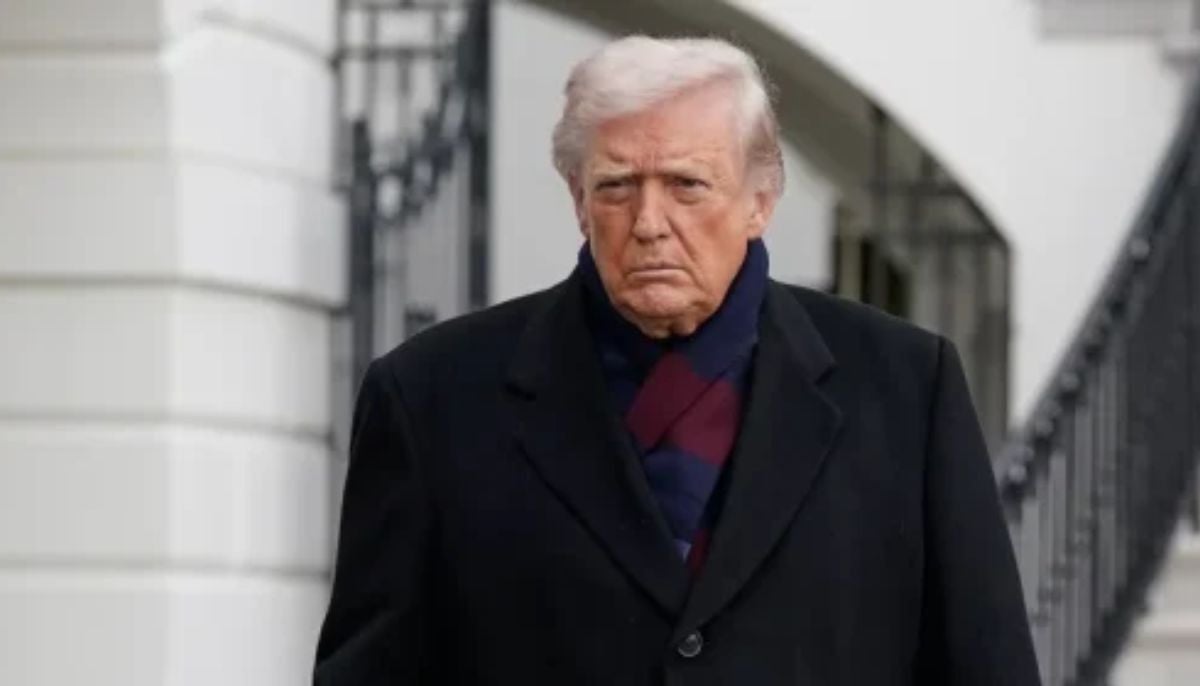 Inside Trump’s 15-point plan: Global stocks climb as oil falls on hopes of Iran peace deal
 -
 Savannah Guthrie adopts new strategy in search of her missing mother Nancy
 -
 Is world heading toward global recession in 2026? Larry Fink warns of looming risk
 -
 Nanaimo weather improves as BC lifts flood advisories following days of heavy rainfall
 -
 Denmark election: Frederiksen faces tough coalition negotiations after losing majority
-
 Brian Nathan wins close Florida Senate race with recount possible after narrow lead
 -
National Hurricane Centre updates forecast cone to improve storm tracking and warnings for 2026
-
Canada federal minimum wage increase confirmed with new $18.15 rate starting April 1
-
Jyoti Gondek named in RCMP probe as warrants executed in Calgary City Hall investigation