WhatsApp to release new update for chat animations
New feature offers even more control over which message should animate than previous update

Meta-owned WhatsApp is working on a feature to manage autoplay animated images which will be available for users in a future release.
By permitting users to disable animations for emojis, stickers and avatars directly from the app settings, the new feature aims to provide users with greater control over their chat experience, reported WABetaInfo.
The app is exploring the implementation of a new feature which allows users to manage certain animations in their chats and groups.
This new feature offers even more control over which message should animate than the previous feature in development.
Users will be able to manage animations for emojis, stickers, and GIFs separately through three different options with the help of this feature.
It will make it easier for users to personalise their chat experience and reduce distractions caused by unwanted animations.
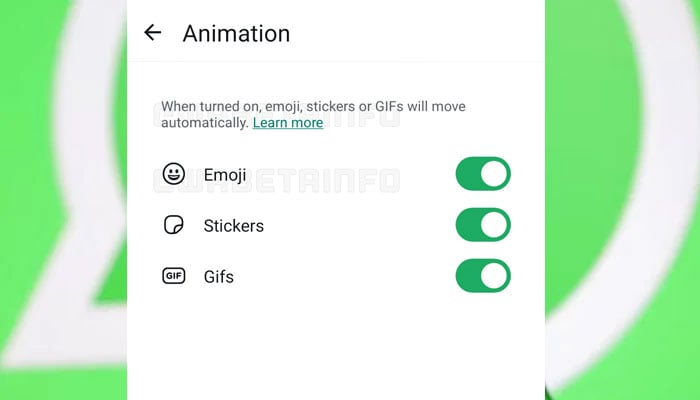
In case of emojis, it applies to the recently introduced animated emojis, which will appear static if the autoplay option is disabled.
Similarly, unless users interact with animated stickers, they will no longer move.
Additionally, the same principle applies to GIFs as they will remain static until manually played by the user too.
In the future, users will be able to manage their animation preferences directly from the app settings, allowing them to decide whether GIFs, emojis, and stickers should animate.


-
 Why Earth’s 24-hour day isn’t quite as fixed as you think
 -
 Earth is splitting apart beneath the Pacific Northwest: Here’s why
 -
 Google's AI Satellite Prototype Launches on SpaceX October 1
 -
 Google plans first AI chip test in space under project Suncatcher
 -
 Mars Rover reveals hot groundwater once flowed at Jezero
 -
 NASA’s PRIMA telescope has one big mission: 'Decode cosmic evolution'
 -
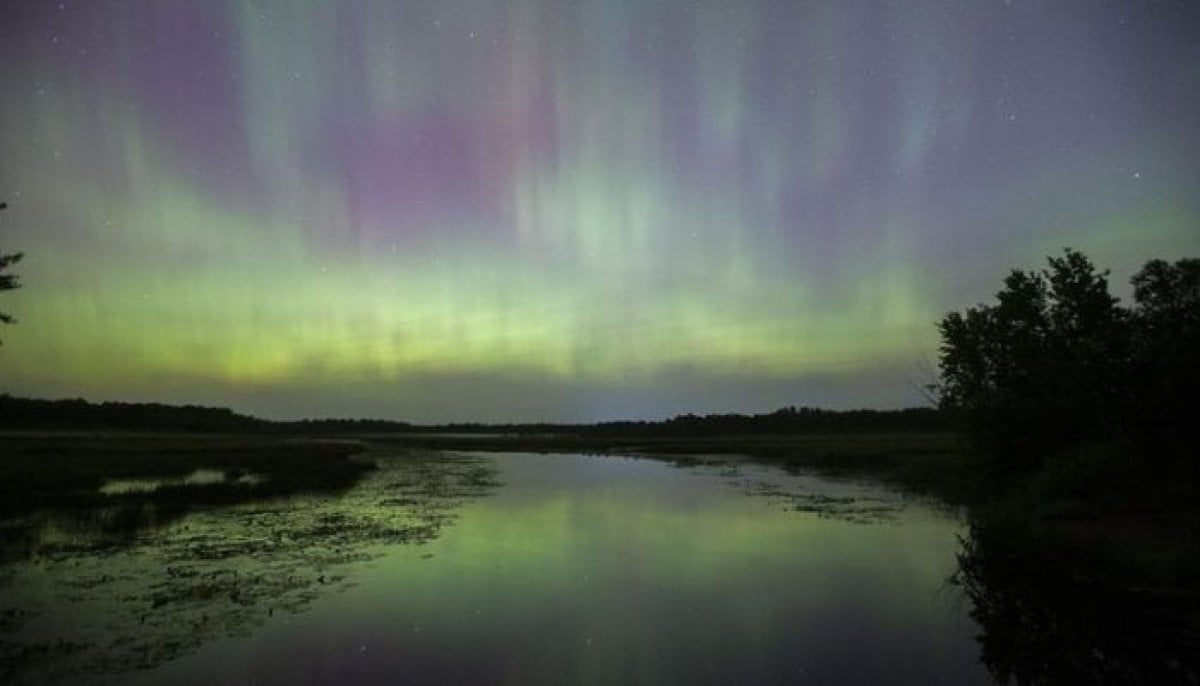 Northern lights could light up skies across 22 US states tonight: How to watch
 -
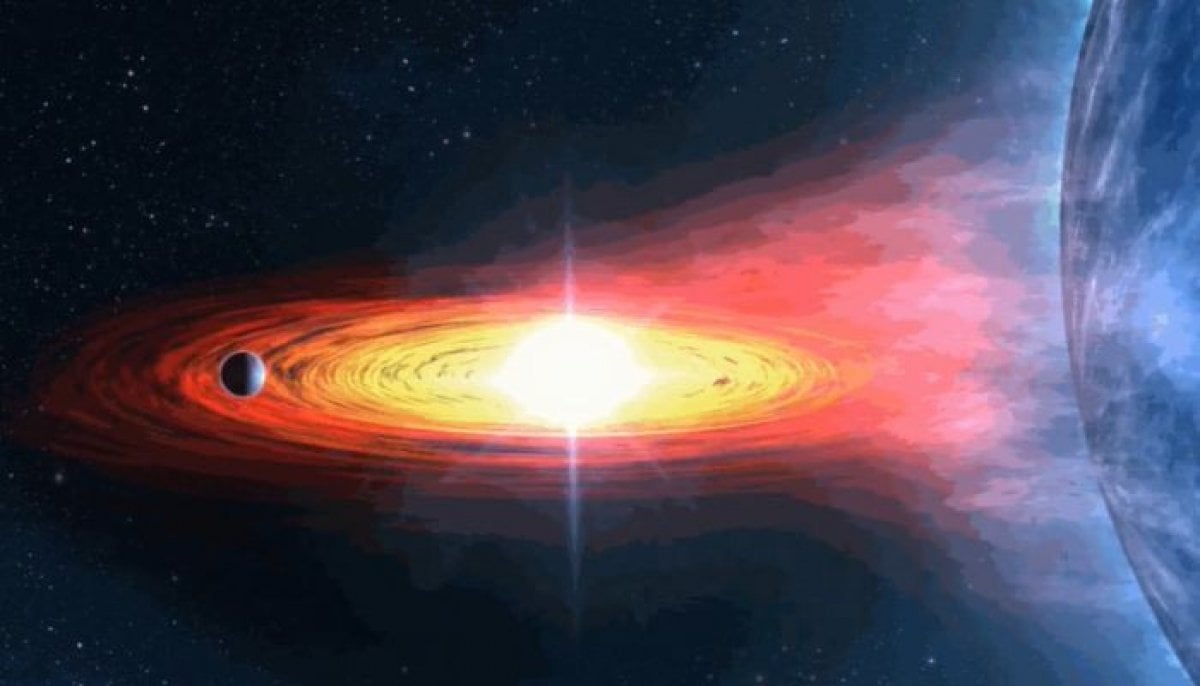 First-ever radio signal from exoplanet reveals its magnetic field