
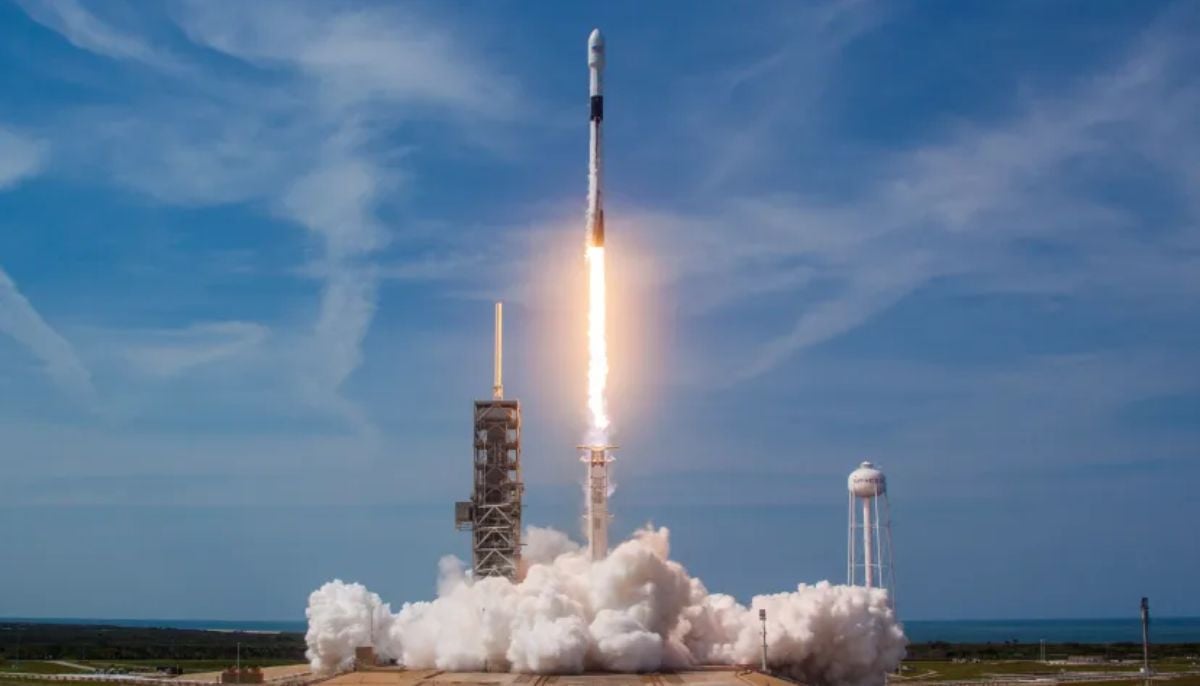
CAPE CANAVERAL: An unmanned SpaceX Falcon 9 rocket on Friday blasted off from Florida to put a communications satellite into orbit, with the launch vehicle's main-stage booster then making a swift return landing on an ocean platform, a live webcast showed.
It was the second successful landing at sea for Elon Musk’s Space Exploration Technologies, or SpaceX, which intends to offer cut-rate launch services by reusing its rockets.
"Woohoo!!" Musk wrote on social media website Twitter after the landing.
SpaceX successfully landed a rocket on a floating landing pad in April after four failed attempts. Another Falcon rocket touched down on a landing pad on the ground in December.
Before Friday’s launch, SpaceX had downplayed expectations for the rocket’s successful return. Unlike the April mission, the rocket flying on Friday had little fuel left over for engine burns to slow its descent after sending a hefty television broadcast satellite on its way to orbit.
The 23-story tall rocket lifted off from a seaside launch pad at Cape Canaveral Air Force Station at 1:21 a.m. EDT (05:21 GMT). Perched atop the booster was the JCSAT-14 satellite, owned by the Tokyo-based telecommunications company, SKY Perfect JSAT Corp, a new customer for SpaceX.
About 2-1/2 minutes after launch, the rocket’s first stage shut down, separated, flipped around and headed toward a so-called drone ship stationed more than 400 miles (650 km) off Florida’s east coast in the Atlantic Ocean.
During the second stage, the rocket was delivering the 10,300-pound (4,700-kg) JCSAT-14 satellite into an orbit more than 25,000 miles (40,000 km) above Earth.
The satellite, built by Space Systems Loral in Palo Alto, California, a subsidiary of MacDonald Dettwiler and Associates is designed to provide television, data and mobile communications services to customers across Asia, Russia and Oceania and the Pacific Islands.
Friday’s launch was the fourth of more than a dozen flights planned this year by SpaceX, which has a backlog of more than $10 billion in launch business from customers, including NASA.
Last week, SpaceX won its first contract to launch a U.S. military satellite, breaking a 10-year-old monopoly held by United Launch Alliance, a partnership of Lockheed Martin Corp and Boeing Co.


-
 Shanghai Fusion ‘Artificial Sun’ achieves groundbreaking results with plasma control record
 -
 Polar vortex ‘exceptional’ disruption: Rare shift signals extreme February winter
 -
 Netherlands repatriates 3500-year-old Egyptian sculpture looted during Arab Spring
 -
 Archaeologists recreate 3,500-year-old Egyptian perfumes for modern museums
 -
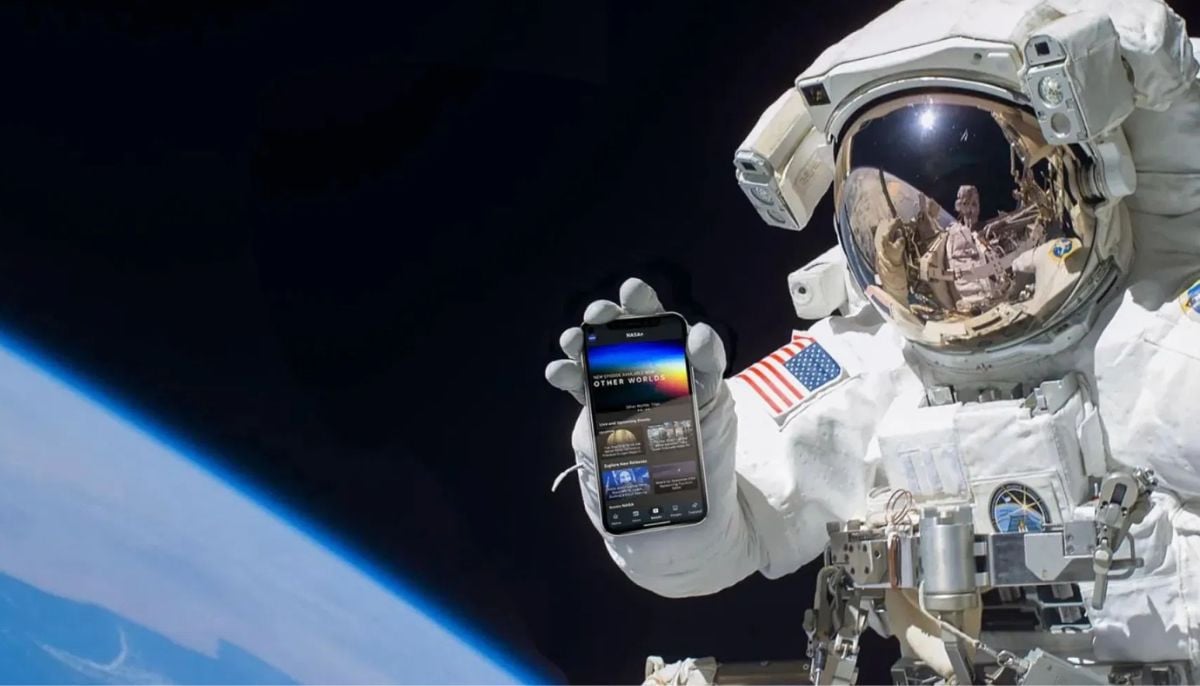 Smartphones in orbit? NASA’s Crew-12 and Artemis II missions to use latest mobile tech
 -
 Rare deep-sea discovery: ‘School bus-size’ phantom jellyfish spotted in Argentina
 -
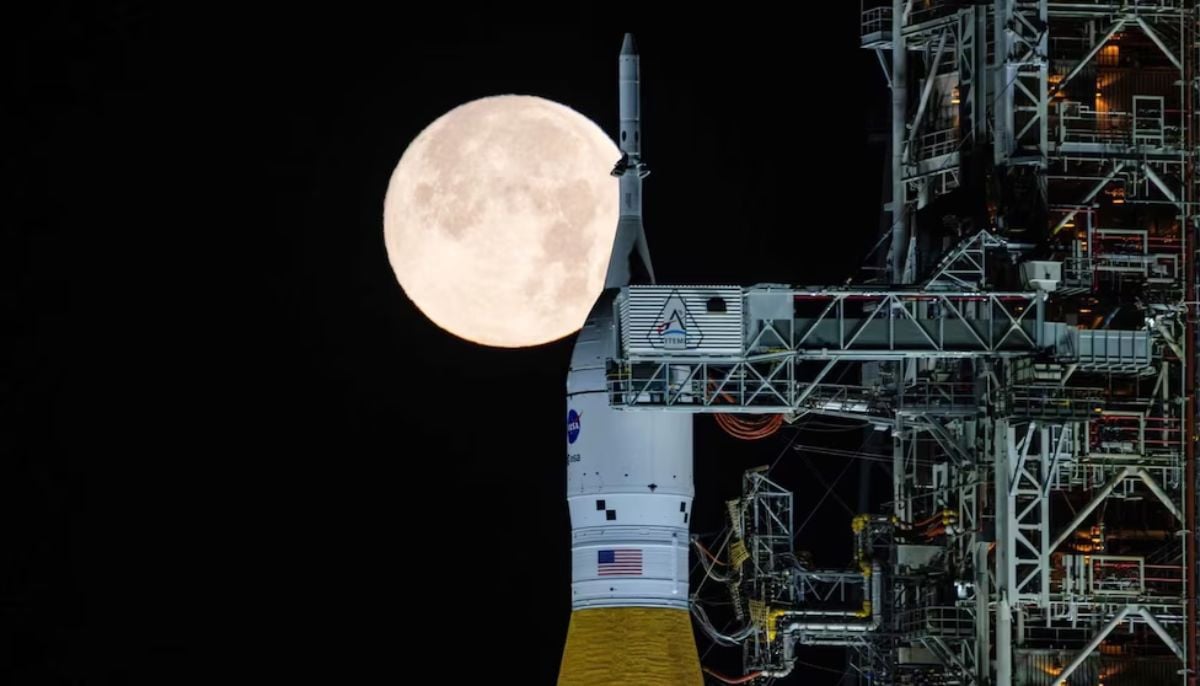 NASA eyes March moon mission launch following test run setbacks
 -
 February offers 8 must-see sky events including rare eclipse and planet parade