
Scientist introduces battery with incredibly fast charging capabilities
"Our rechargeable battery can reduce costs by 30 to 40%,” says Dr Mohammed Yousaf

Dr Mohammed Yousaf, a Pakistan researcher, at ZJU-Hangzhou Global Scientific and Technological Innovation Center (HIC) in China, unveiled a “revolutionary” rechargeable battery that boasts incredibly fast charging capabilities and exceptionally long lifespan.
In an interview, Dr Mohammed Yousaf, while highlighting his latest invention, said: “Driven by the high costs associated with conventional dry batteries and the expensive nature of lithium, which is widely used in batteries globally, there is a need for an alternative solution."
"Sodium, abundant and economical, holds great promise as a viable option. With sodium-based technology, our rechargeable battery can reduce costs by 30 to 40%.”
The improved discharge rate and longevity make it suitable for a wide range of applications, including mobile devices, laptops, electric cars, and electric bikes, he said.
Yousaf further revealed his ambitious objective of revolutionising long-distance travel by designing a battery capable of powering electric vehicles for distances between 400-500km, a groundbreaking achievement in the field.
Dr Yousaf and his team have made significant strides in commercialising their battery technology. “We have already introduced our battery to the Chinese market,” he added.
“The energy and electricity produced in Pakistan and around the world predominantly rely on oil, gas, and coal, leading to significant pollution and the rapid depletion of these finite resources. Solar cells, wind energy, and hydropower are the future,” Yousaf asserted.
Discussing the global energy landscape, he emphasised the urgent need for renewable energy resources.
“To support these green initiatives, the focus should be on developing affordable batteries capable of storing renewable energy for extended periods. In the next step, I want to get involved in the energy sector of the China-Pakistan Economic Corridor (CPEC) project and cooperate with Pakistani universities in the research and development of new energy batteries,” he added.




-
 Shanghai Fusion ‘Artificial Sun’ achieves groundbreaking results with plasma control record
 -
 Polar vortex ‘exceptional’ disruption: Rare shift signals extreme February winter
 -
 Netherlands repatriates 3500-year-old Egyptian sculpture looted during Arab Spring
 -
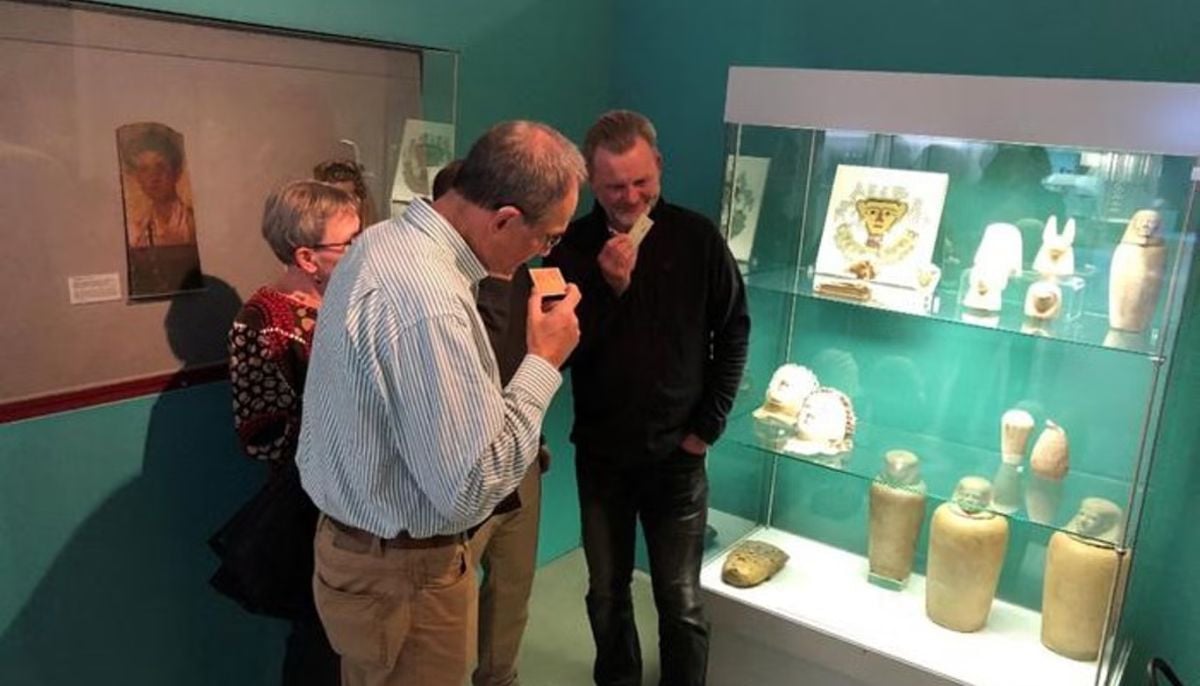 Archaeologists recreate 3,500-year-old Egyptian perfumes for modern museums
 -
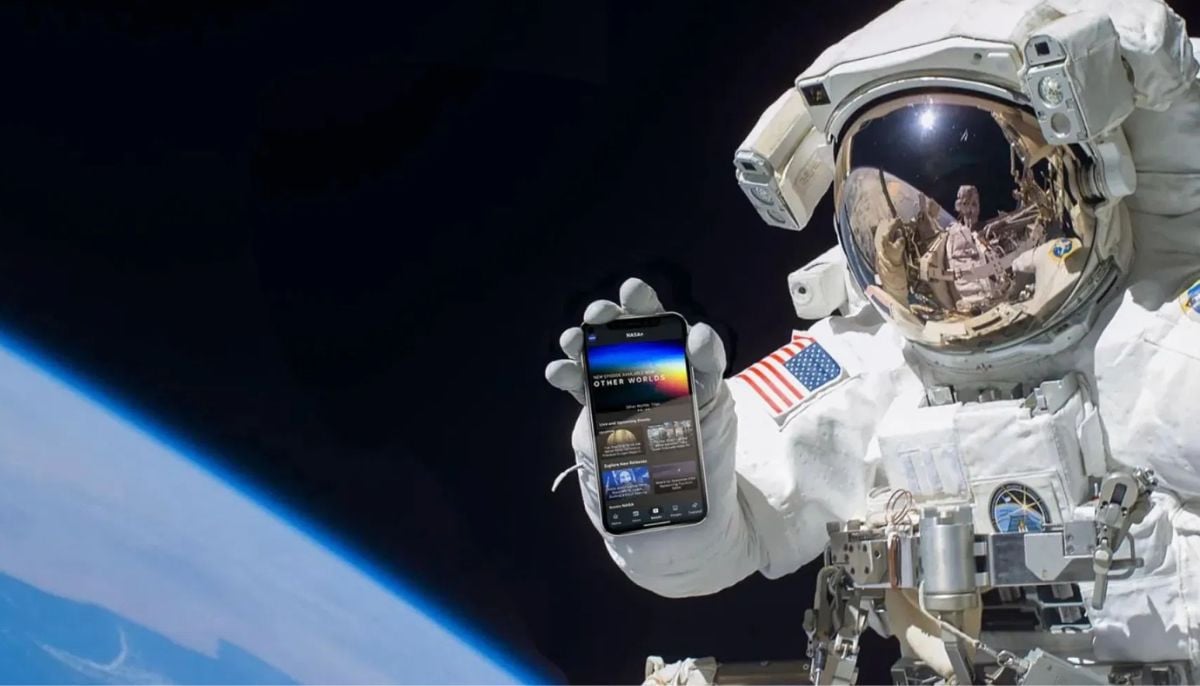 Smartphones in orbit? NASA’s Crew-12 and Artemis II missions to use latest mobile tech
 -
 Rare deep-sea discovery: ‘School bus-size’ phantom jellyfish spotted in Argentina
 -
 NASA eyes March moon mission launch following test run setbacks
 -
 February offers 8 must-see sky events including rare eclipse and planet parade