
Scientists finally crack 'Y' chromosome code, solving complex 'male fertility' mysteries
Y chromosomes' complex structure historically posed analytical challenges to scientists

Scientists have decoded the enigmatic Y chromosome, exclusively present in males, which is a significant step toward unravelling the intricacies of the human genome.
This achievement promises insights into male health, fertility, and genetics, advancing studies on male infertility.
Unveiling the complete sequence of the Y chromosome is a milestone in understanding male genetics.
It is one of the two sex chromosomes, inherited from male parent to male offspring, governing critical functions like sperm production and impacting cancer risk.
Its complex structure historically posed analytical challenges.
Researchers have conquered the complexities of the Y chromosome's structure, enabled by sequencing technologies and computational methods.
This achievement fills gaps in comprehending this genetic element, completing the mapping of the 24 chromosomes constituting the human genome.
The Y chromosome's genetic content is intertwined with vital reproductive functions, including spermatogenesis, and extends to cancer risk.
The research highlighted a DNA stretch with genes crucial to sperm production. This understanding aids fertility research, empowering in vitro fertilisation (IVF) clinics and enhancing our grasp of these genes' activities.
Insights gained from the Y chromosome's genetic intricacies can enhance fertility research. Focusing on vital fertility and reproduction genes could benefit conditions like azoospermia, aiding fertility treatments and IVF clinics.





-
 Dutch seismologist hints at 'surprise’ quake in coming days
 -
 SpaceX cleared for NASA Crew-12 launch after Falcon 9 review
 -
 Is dark matter real? New theory proposes it could be gravity behaving strangely
 -
 Shanghai Fusion ‘Artificial Sun’ achieves groundbreaking results with plasma control record
 -
 Polar vortex ‘exceptional’ disruption: Rare shift signals extreme February winter
 -
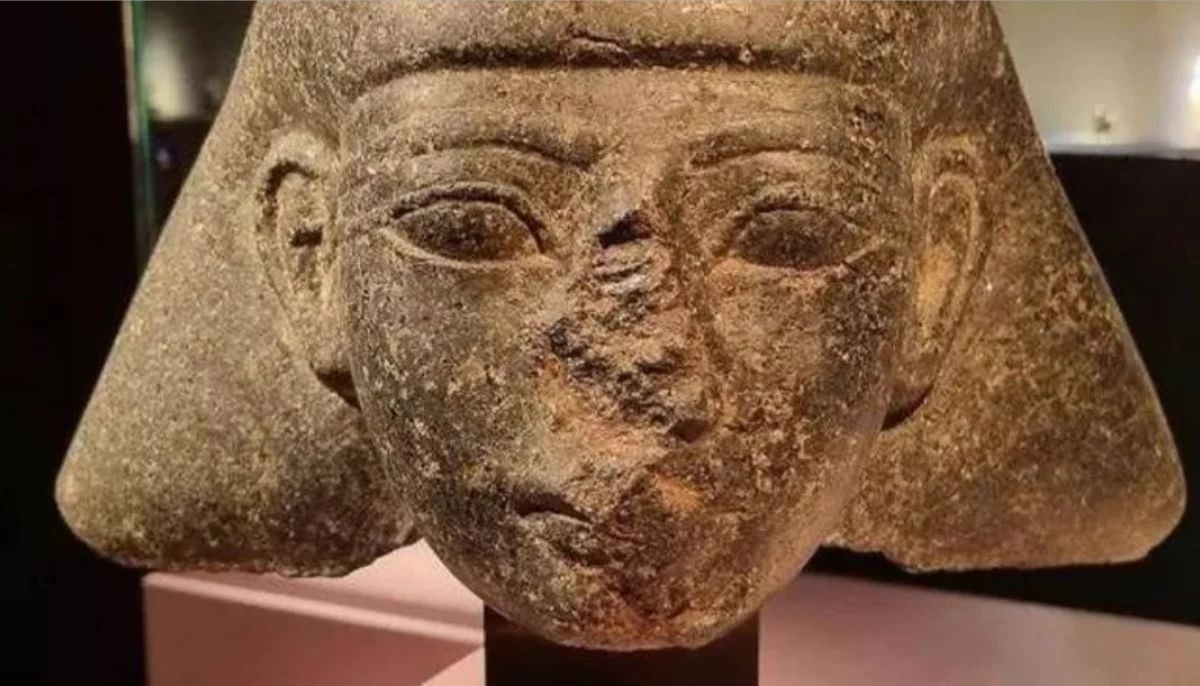 Netherlands repatriates 3500-year-old Egyptian sculpture looted during Arab Spring
 -
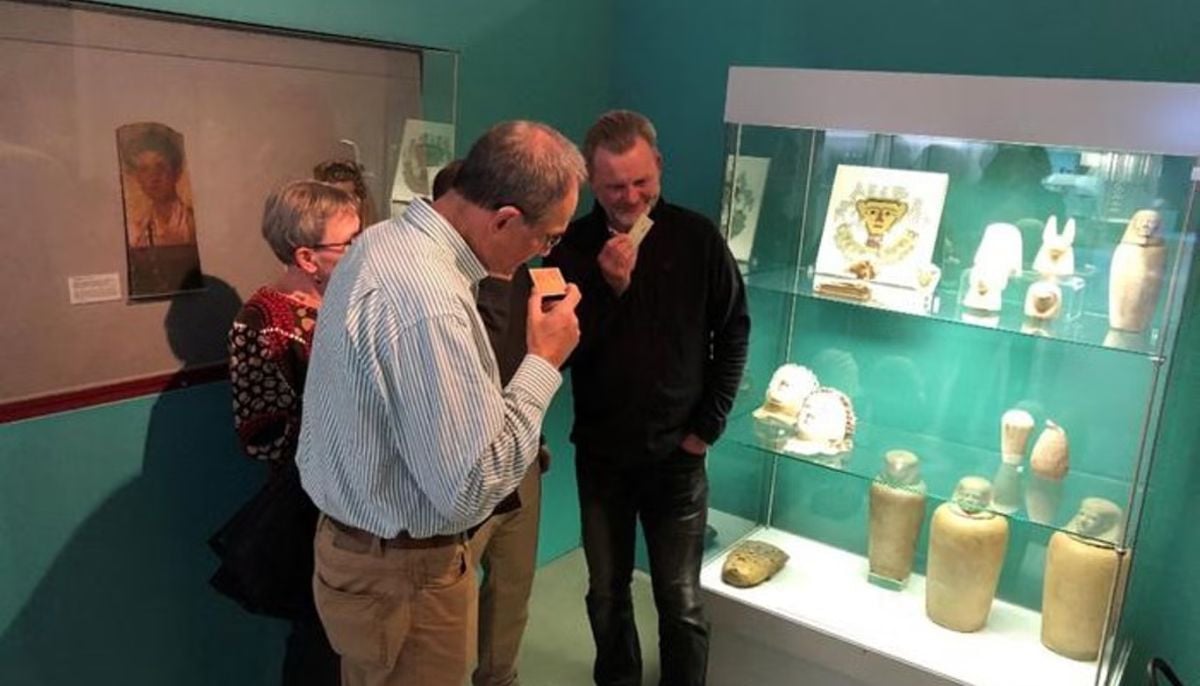 Archaeologists recreate 3,500-year-old Egyptian perfumes for modern museums
 -
 Smartphones in orbit? NASA’s Crew-12 and Artemis II missions to use latest mobile tech