
Chandrayaan-3 lands on moon as India's ISRO eyes new destinations in space
The Vikram lander — module that will touch down on moon — bears Vikram Sarabhai's name, who is credited with founding the Indian space programme
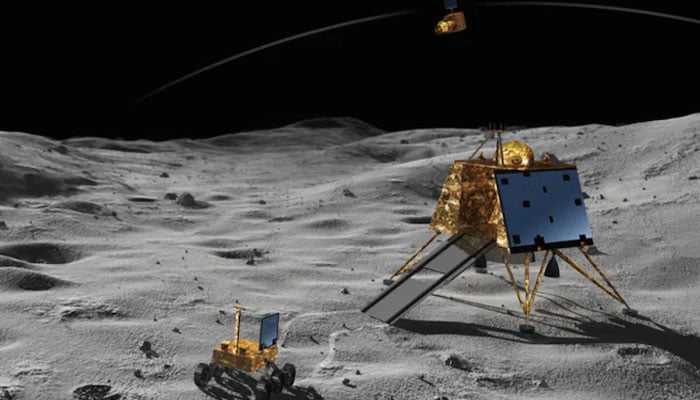
Indian space agency ISRO (Indian Space Research Organisation) has successfully landed its Chandrayaan-3 Vikram lander on the moon, making the country the first nation to reach the lunar south pole.
Vikram lander of Chandrayaan-3 meets with the moon's ground, days after a Russian lunar probe crashed in the same region on the moon.
Chandrayaan-3 – “moon craft” in Sanskrit – took off from a launchpad in Sriharikota in southern India on July 14, reported Al Jazeera.
Chandrayaan-3 is made up of an indigenous Lander module (LM), a Propulsion module (PM), and a Rover with the aim of researching and showcasing new technologies necessary for interplanetary missions.
The Vikram lander bears Vikram Sarabhai's name, who is credited with founding the Indian space programme.
The Vikram lander is capable of making a gentle landing at a designated lunar location and deploying the Rover which will carry out in-site chemical analysis of the lunar surface during the course of its mobility.
India has a very low-budget aerospace project but it has expanded significantly in size and velocity since it launched its first lunar orbiting mission in 2008.
The cost of the most recent mission is $74.6 million, which is significantly less than that of other nations and evidence of India's thrifty space engineering.
According to experts, India can keep prices down by utilising and adapting current space technology, as well as by employing a large number of highly competent engineers who make a small fraction of what their foreign colleagues do.
India became the first Asian country to launch a satellite into Mars orbit in 2014. It has also planned to launch a three-day crewed trip into Earth's orbit by next year.





-
 Dutch seismologist hints at 'surprise’ quake in coming days
 -
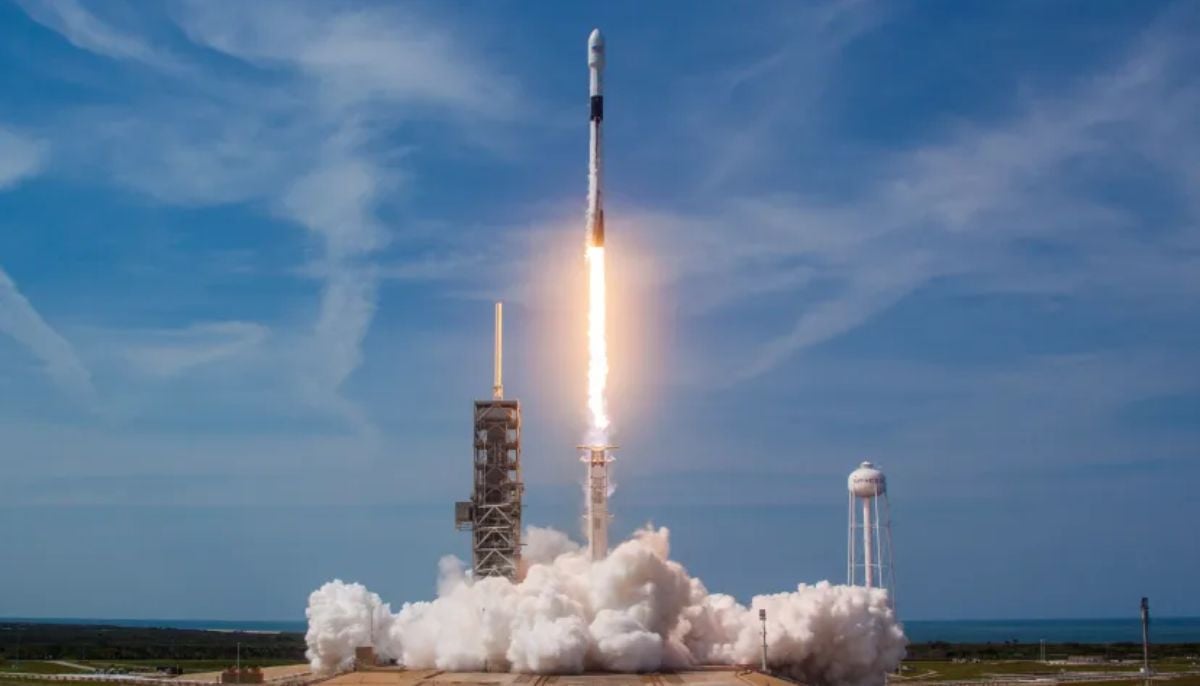 SpaceX cleared for NASA Crew-12 launch after Falcon 9 review
 -
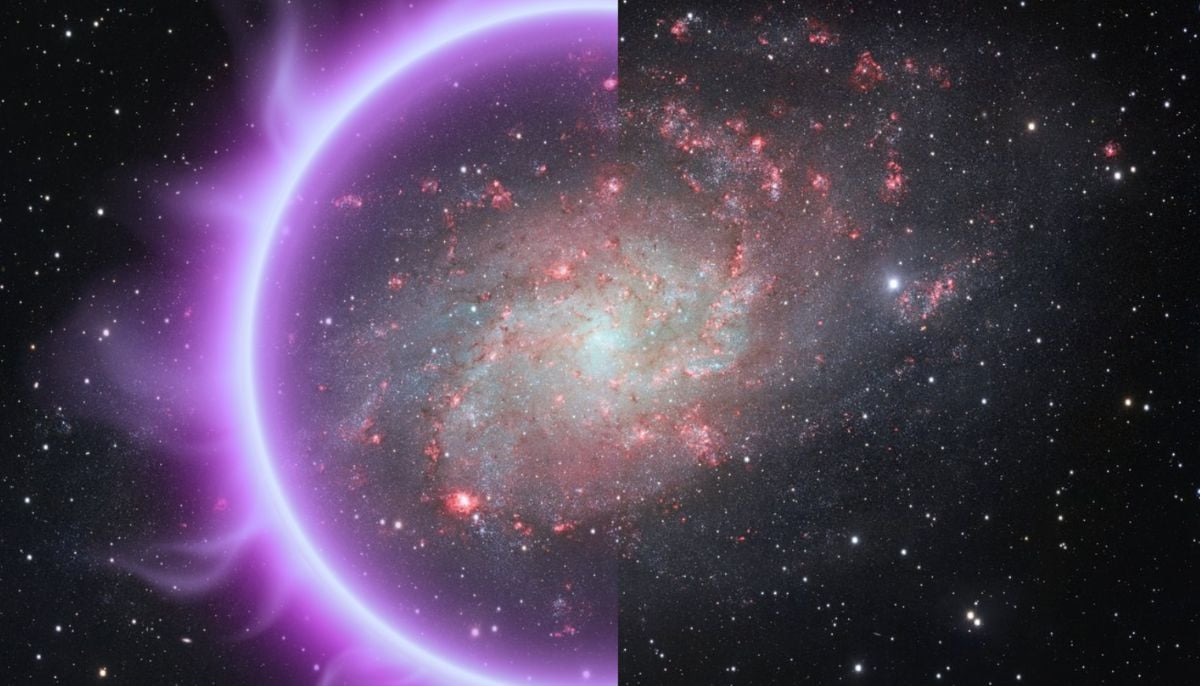 Is dark matter real? New theory proposes it could be gravity behaving strangely
 -
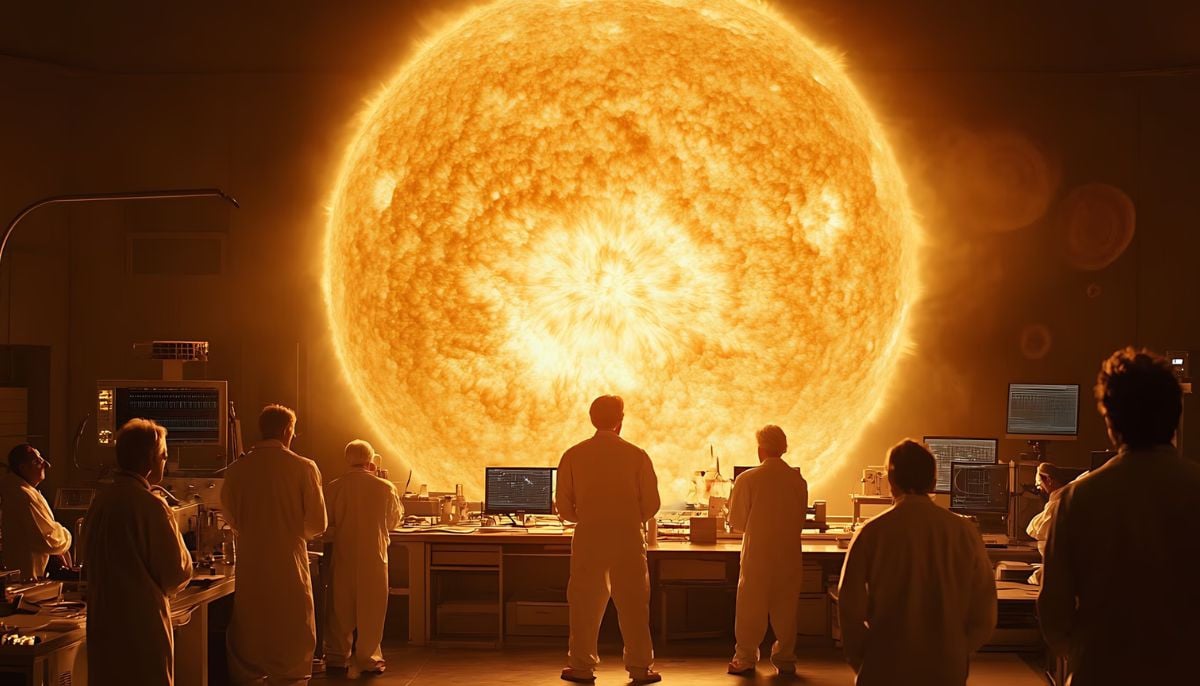 Shanghai Fusion ‘Artificial Sun’ achieves groundbreaking results with plasma control record
 -
 Polar vortex ‘exceptional’ disruption: Rare shift signals extreme February winter
 -
 Netherlands repatriates 3500-year-old Egyptian sculpture looted during Arab Spring
 -
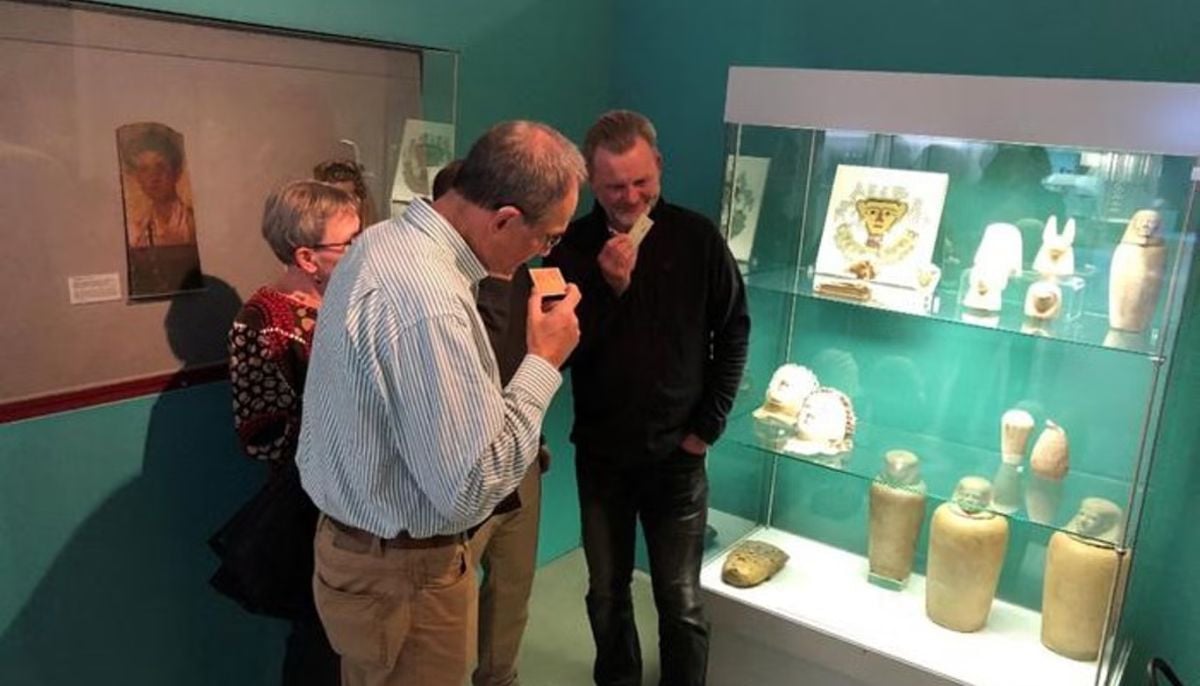 Archaeologists recreate 3,500-year-old Egyptian perfumes for modern museums
 -
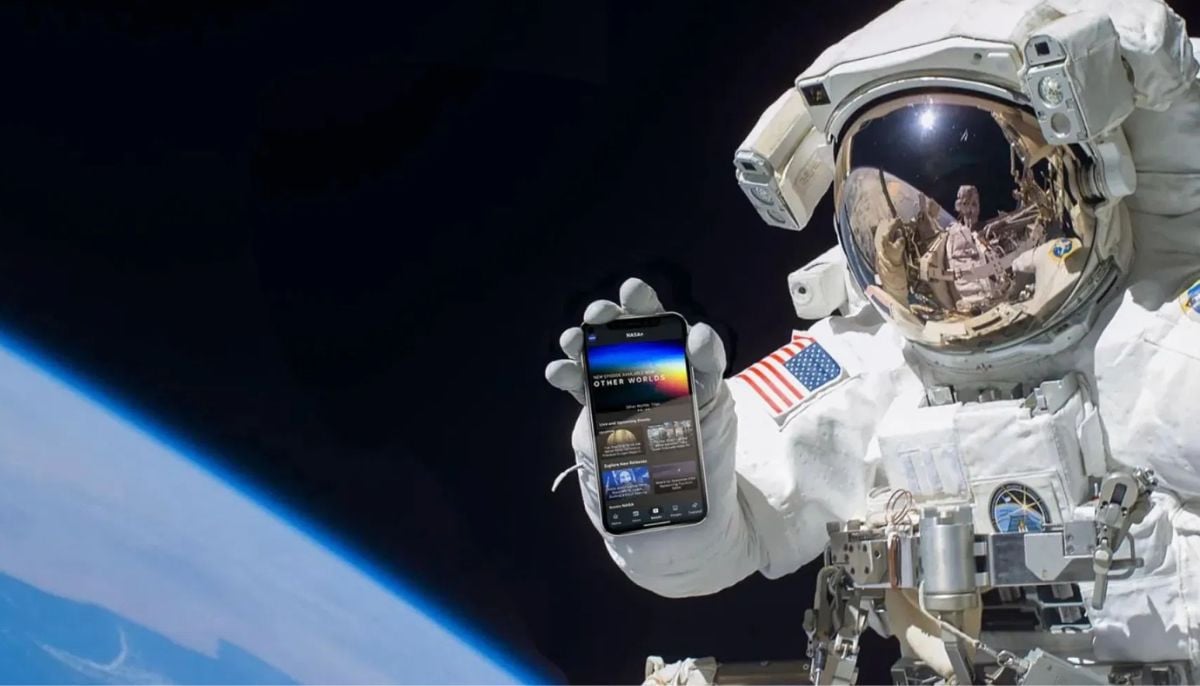 Smartphones in orbit? NASA’s Crew-12 and Artemis II missions to use latest mobile tech