Yara Shahidi feels 'powerful' about her role as the first Black Tinker Bell
Yara Shahidi is opening up about taking on the historic role of Tinker Bell
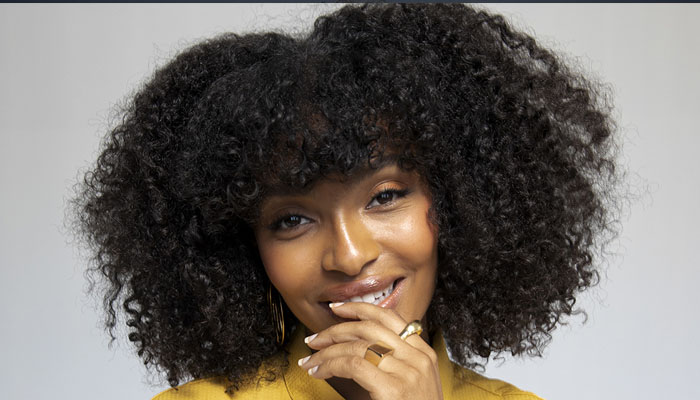
Yara Shahidi is opening up about taking on the historic role of Tinker Bell, which makes her the first Black woman to play the Disney fairy.
Talking to People magazine, Shahi said that when she was offered the memorable role, she had a reflective question for Disney.
"What do we want to accomplish with this remake of something that's been done and is so beloved?" she recalls asking the writer-director David Lowery, who has created the reboot of the beloved film.
She remembers with joy that, "The entire Disney team was committed to doing more than just swapping out ethnicities". She added, "It's about telling a story that feels reflective of the times that we're in."
The Black-ish star recalls holding 180 different facial expressions for her character.
"My take on Tinker Bell nods towards the classic feistiness that we love about her, that kind of overly expressive nature."
Shahidi, who’s a fan of Julia Robert’s version of the tiny character in the 1991 film Hook, delightfully recalled that she filmed Tinker Bell’s scenes apart from the rest of the cast.
“I was just on a set in Burbank and had to try to recreate that kind of immersive experience and literally fantasize the world around me."
The 23 year old added, " I can argue that there's something really powerful about having a Black Tinker Bell”.
She also mentioned how the role reminded her how much she enjoys the creativity of her job.


-
 King Charles took break when Prince Louis showed up at Coronation rehearsal
 -
 King Charles, Prince William to be seen together for join appearance
 -
 Prince Harry’s next project reportedly involves the BBC and a longtime ally
 -
 Kelly Clarkson is disturbed over being judged at Brooklyn Store
 -
 Prince Harry rejected Prince William questions in new interview
 -
 Jimmy Stewart’s daughter reacts to KJ Apa portraying her dad
 -
 'Big Brother' star Amber Siyavus passes away
 -
 Cynthia Erivo shines light on intimacy coordinators' role in filming difficult scenes