Secret world of seamounts: 19,000 new undersea volcanoes discovered
Like dry land masses, the ocean floor has diverse terrain, and its prominent features are mountains, known as seamounts
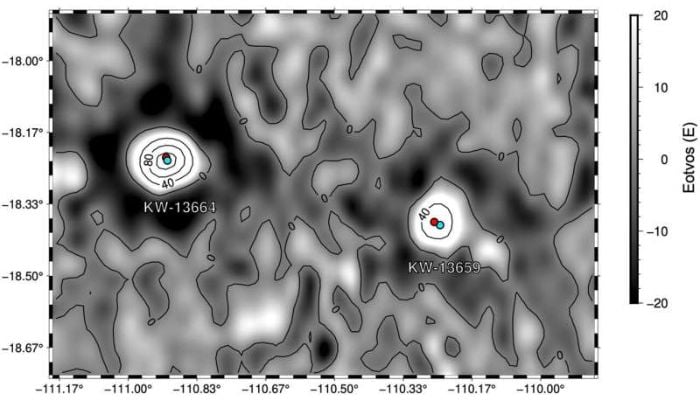
A team of oceanographers from the Scripps Institution of Oceanography, Chungnam National University, and the University of Hawaii have used radar satellite data to map 19,000 previously unknown undersea volcanoes in the world's oceans.
Their study, published in the journal Earth and Space Science, explains how they measured seawater mounding to locate and map the undersea volcanoes, and why this is significant.
Like dry land masses, the ocean floor has diverse terrain, and its prominent features are mountains, known as seamounts. Tectonic plates pushing against one another or volcanic eruptions can create seamounts. Currently, only a quarter of the ocean floor has been mapped, and the number and location of seamounts remain unknown, creating potential safety hazards for submarines and hindering oceanographers' ability to model ocean water flow.
To address this knowledge gap, the researchers used radar satellite data to map as many seamounts as possible. By measuring the altitude of the sea surface, the satellites indirectly detected the gravitational pull from seafloor topography, causing changes in the sea mounding. This method allowed the team to discover 19,000 previously unknown seamounts.
The study highlights several benefits of mapping the ocean floor, including supporting sea-floor mining efforts, providing insights into tectonic plates and geomagnetic fields, and offering a habitat for marine life.
However, the most crucial aspect of seamount mapping is its effect on deep-sea ocean flow. Seamounts influence ocean currents by pushing colder water upwards, and their impact on the flow is still poorly understood. As the oceans continue to absorb more heat and carbon dioxide from the atmosphere, and freshwater melt due to climate change, mapping ocean currents and seamounts becomes increasingly important.


-
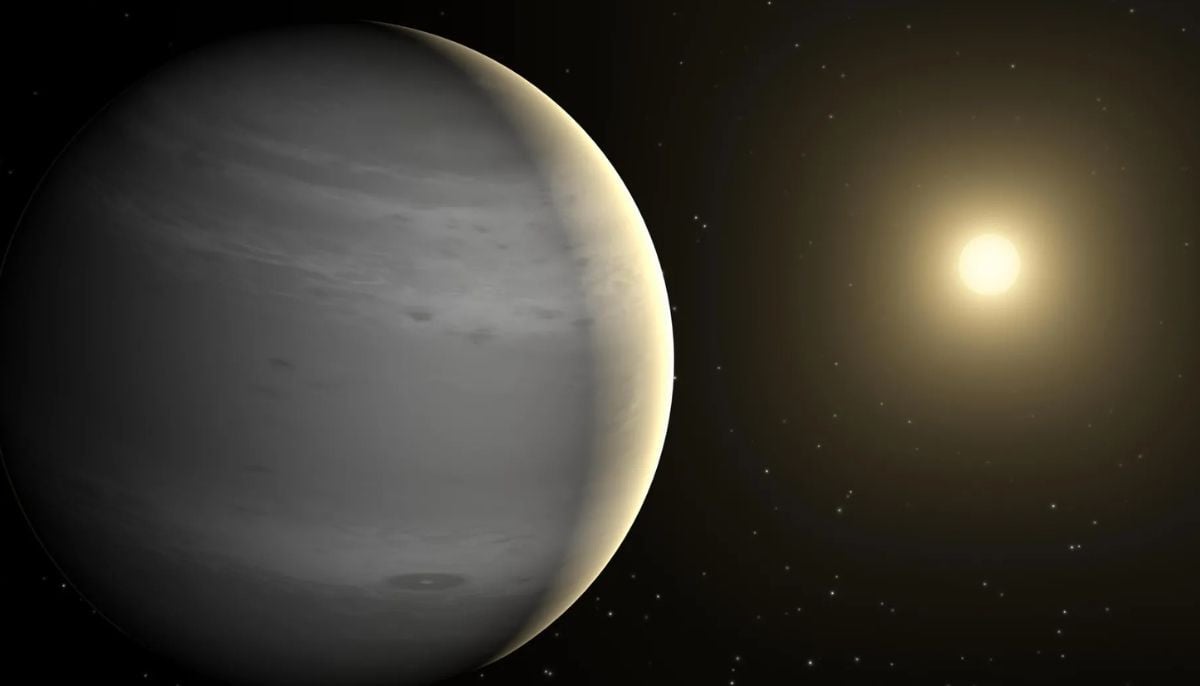 Is this Earth 2.0? NASA’s James Webb telescope spots ‘rare’ giant exoplanet
 -
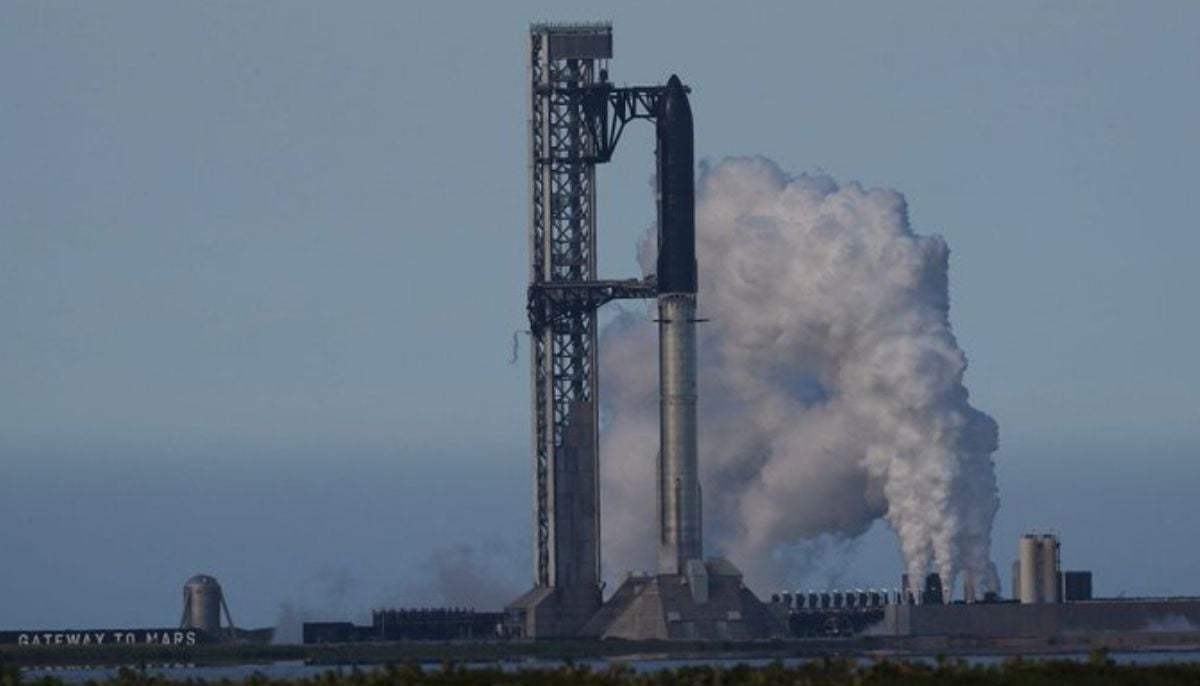 SpaceX Starship launch delayed again: Here’s what went wrong
 -
 Why do scientists think Neptune’s moon Nereid survived violent cosmic collision?
 -
 NASA set to unveil major Moon Base strategy and mission update
 -
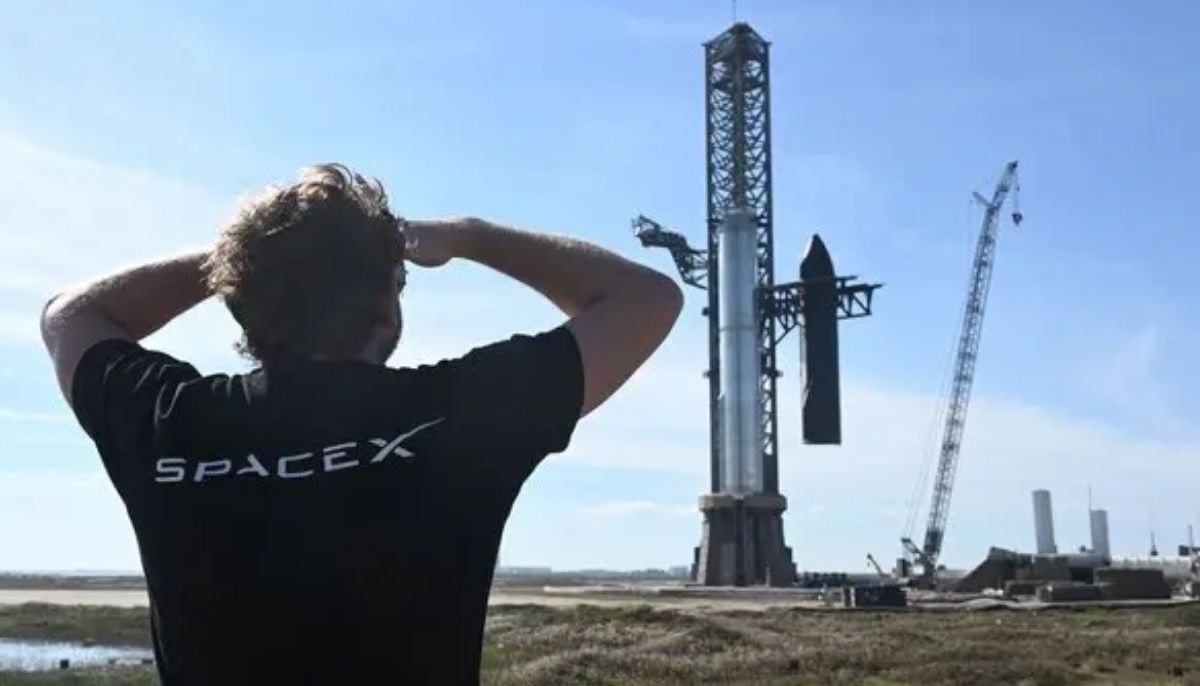 SpaceX’s upgraded Starship V3 ready for high-stakes test flight: Where to watch live
 -
 Scientists hatch live chickens from 3D-printed eggshells: Could artificial wombs be next?
 -
 SpaceX: Starship V3 all set for debut launch ahead of IPO
 -
 Four alien species recovered from crashed UFOs, Ex-CIA researcher claims