Send your name to Moon with Nasa’s Artemis mission: Here’s how
NASA’s Artemis II mission prepares to send humans beyond Earth orbit for the first time since 1972

NASA is providing individuals around the globe with the opportunity to get their name to the moon through the Artemis II mission set to happen soon. The names will be inscribed on an SD card found within the Orion spacecraft to be occupied by four astronauts on their historic 10-day journey across the moon on the Artemis II mission.
This will be the first time individuals venture beyond low orbit since 1972.
Artemis II Crew
The Artemis II mission crewed by NASA astronauts, including Reid Wiseman, Victor Glover, and Christina Koch, and the Canadian Space Agency’s Jeremy Hansen will fly aboard the Orion spacecraft orbiting the moon to return successfully to Earth. NASA Administrator Jared Isaacman called this mission the biggest step yet toward the future.
The mission aims to test the capabilities of the spacecraft in functionalities such as living support, navigation, and communication.
How to send your name to NASA?
Through NASA’s “Send Your Name with Artemis” initiative, one can submit their last name, first name, and then enter their four- to seven-digit PIN number on NASA’s website. Once submitted, users can download their own digital boarding pass to serve as a souvenir since the process only takes a few minutes and costs nothing.


-
 Chinese astronomers discover real-life three-body system unlike Liu Cixin’s fiction
 -
 Hunter’s Moon 2026: When and how to watch October’s full moon
 -
 Elon Musk’s Mars colonization dream faces reality check from Nobel laureate
 -
 NASA competition model 2.0 cuts mission selection by 45%
 -
 A ‘neglected’ neutrino may hold the key to why the Universe exists
 -
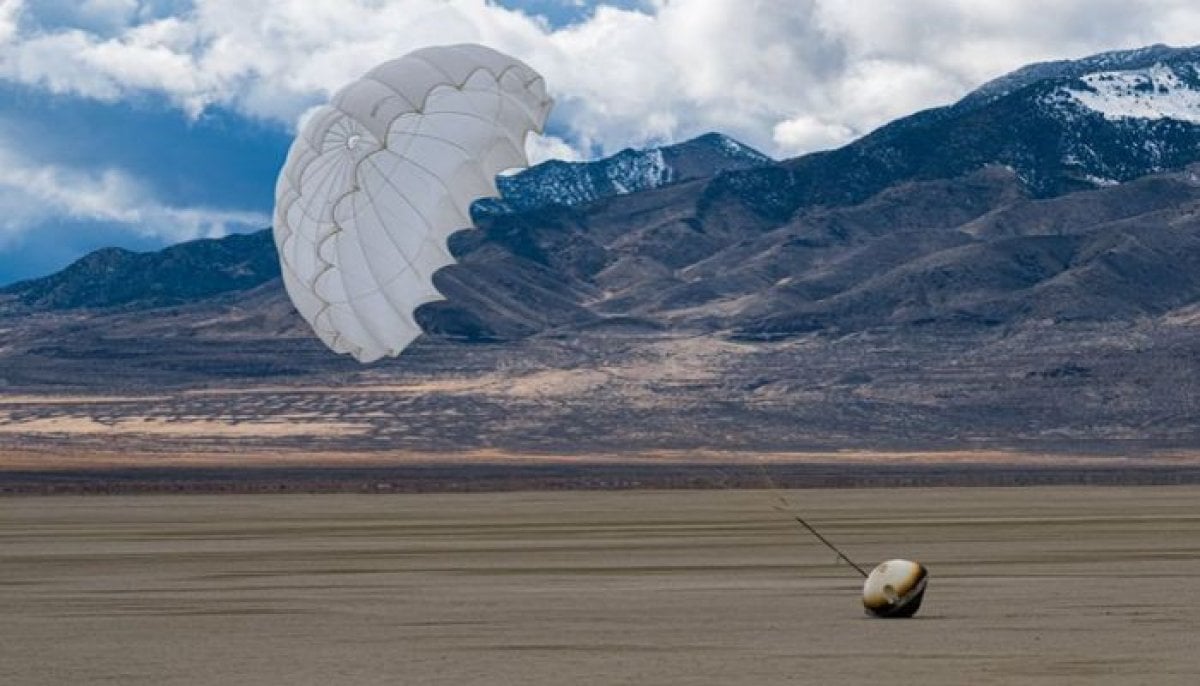 Can cancer drugs be made in space? Here’s what the new mission aims to find out
 -
 SpaceX Falcon 9 successfully launches Bandwagon-5 mission with 32 payloads
 -
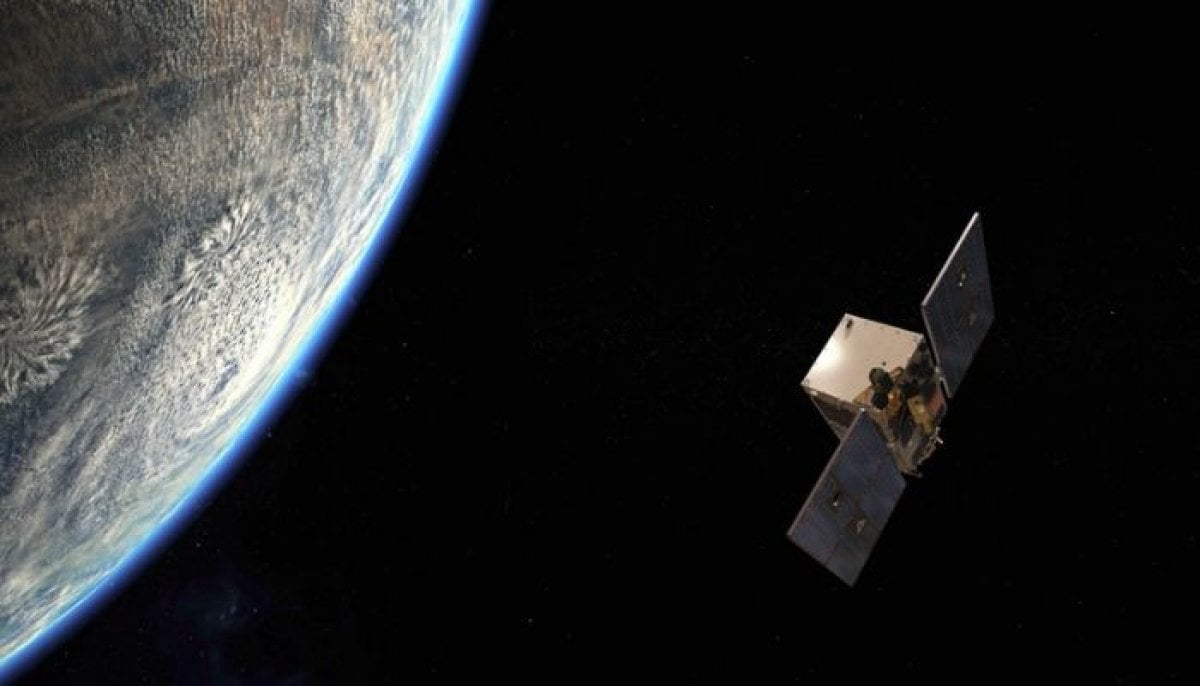 Europe launched 8 orbital rockets last year, can it rival Starlink?