Elon Musk’s Starlink rival Eutelsat partners with MaiaSpace for satellite launches
Eutelsta has depended on SpaceX and Indian Space Research Organization for recent satellite launches
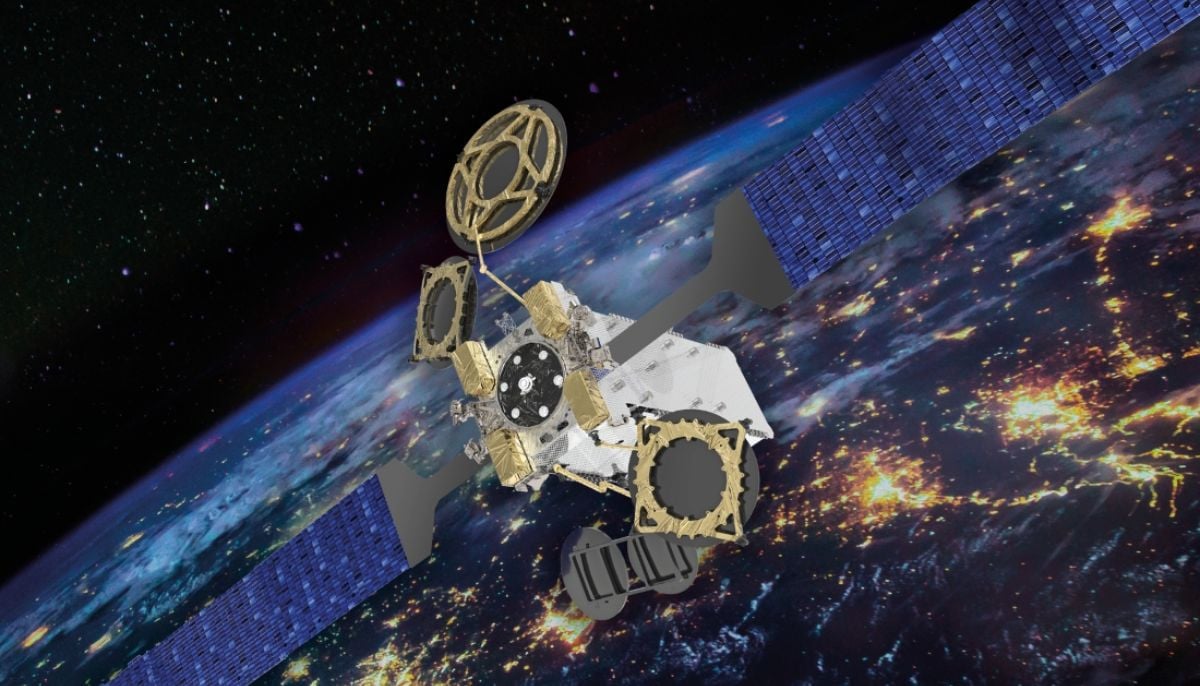
European satellite operator Eutelsat has entered a partnership with French space startup MaiaSpace, aiming to launch its low Earth orbit (LEO) satellites and seeking to compete with Elon Musk-owned SpaceX.
The agreement encompasses multi-launch deals which are expected to start in 2027.
Eutelsat is also the owner of OneWeb, which is known as the world's only other operational LEO constellation besides Musk’s Starlink.
It plans to launch 440 new Airbus-built satellites in the coming years to expand and replenish its networks.
Being considered a strategic asset by the British and French governments, OneWeb’s satellites provide secure internet access to governments, businesses, consumers, and militaries.
Last year, French President Emmauel Macron urged the EU to step up its space strategy to counter Starlink. On Thursday, he said France would enhance the use of LEO satellites in the future.
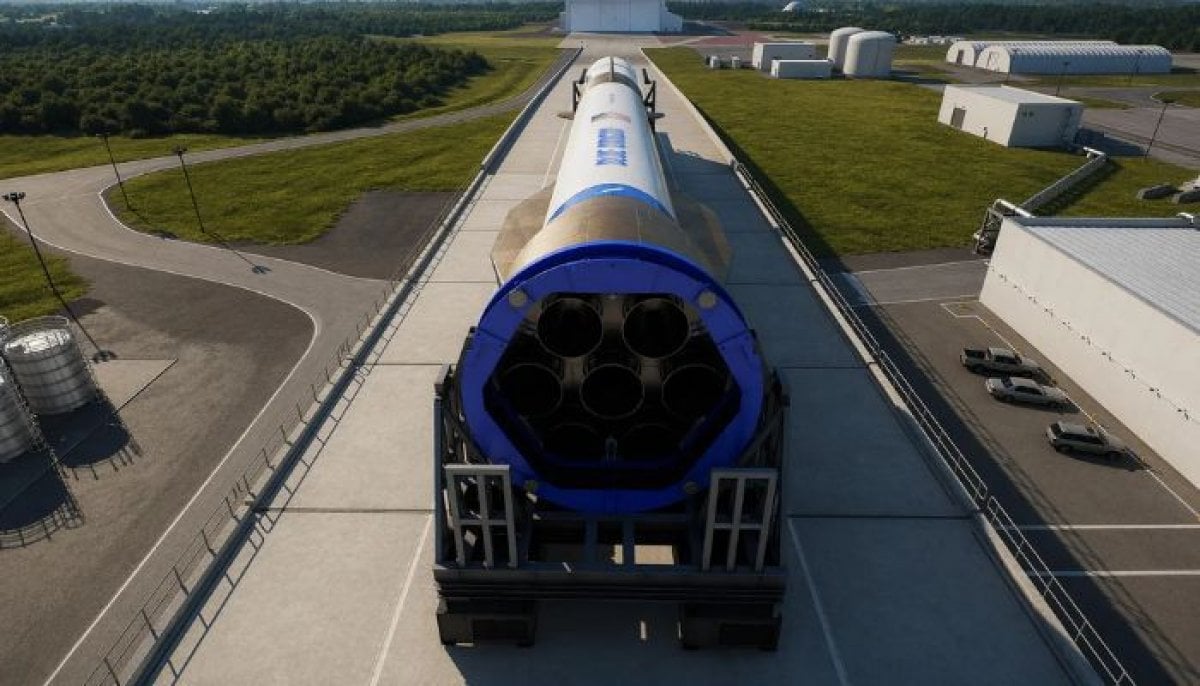
MaiaSpace is also involved in the development of a partially reusable mini-launcher, which would be the first of its kind in Europe.
Currently, Europe’s main heavy rocket, Ariane 6, is not reusable.
On the contrary, SpaceX has been using the Falcon 9 partially reusable rocket for more than a decade and is now testing an upgraded version to achieve full reusability.
Eutelsat has depended on SpaceX and Indian Space Research Organization (ISRO) for recent satellite launches.


-
 Elon Musk’s Mars colonization dream faces reality check from Nobel laureate
 -
 NASA competition model 2.0 cuts mission selection by 45%
 -
 A ‘neglected’ neutrino may hold the key to why the Universe exists
 -
 Can cancer drugs be made in space? Here’s what the new mission aims to find out
 -
 SpaceX Falcon 9 successfully launches Bandwagon-5 mission with 32 payloads
 -
 Europe launched 8 orbital rockets last year, can it rival Starlink?
 -
 Japan launches world’s first mission to bring sample back from phobos
 -
 Orionid meteor shower 2026: Peak date, viewing tips and what to expect