Northern lights glow across US, UK , Europe after ‘rare’ solar storm hits
Powerful G4 geomagnetic storm triggers the Aurora Borealis
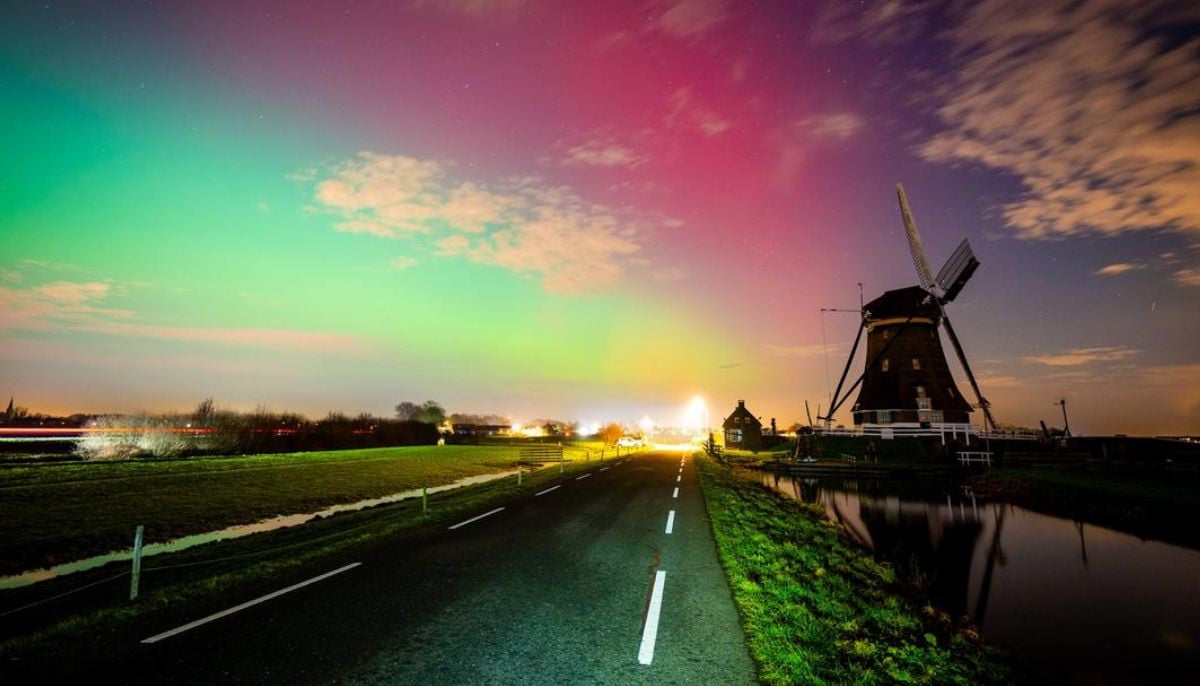
An intense and rarely happened geomagnetic solar storm has evoked the possibility of northern lights which will shine over the US, UK, Canada, and the parts of Europe, including Germany, Ukraine, and Switzerland.
According to the Space Weather Prediction Center (SWPC), the visibility of aurora borealis is due to the most powerful and largest solar storm in over two decades.
The powerful coronal mass ejection from an X1.9 class solar flare on January 18 triggered a G4 severe geomagnetic storm, which was very rare, as reported by the US National Oceanic and Atmospheric Administration (NOAA).
As a result, the auroras could be expanded to unusual southern latitudes like Virginia, New York, California and even a plane over Texas.
On Monday night, the northern lights glowed across the skies in several parts of Germany, according to the German Weather Services. The auroras were also visible as far south as the Alps.
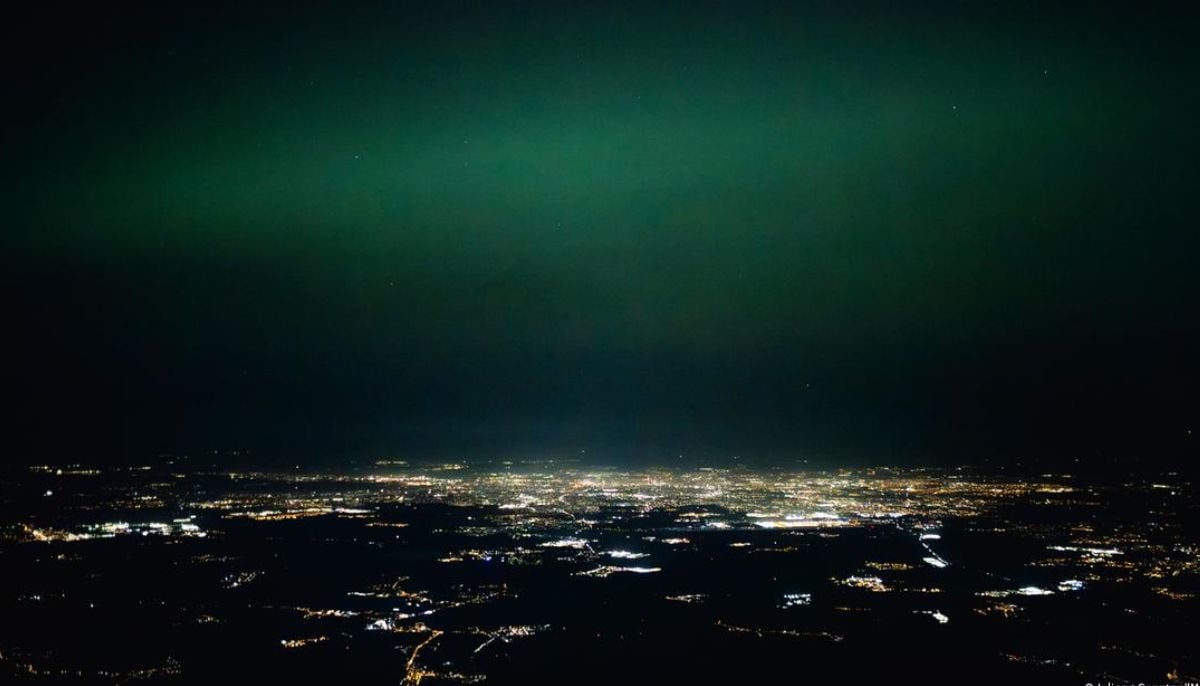
Moreover, the skies across the UK have glowed in the hues of pink and green due to northern lights. On Monday evening, Scotland, Northern Ireland, and Wales also experience this dazzling natural phenomenon.
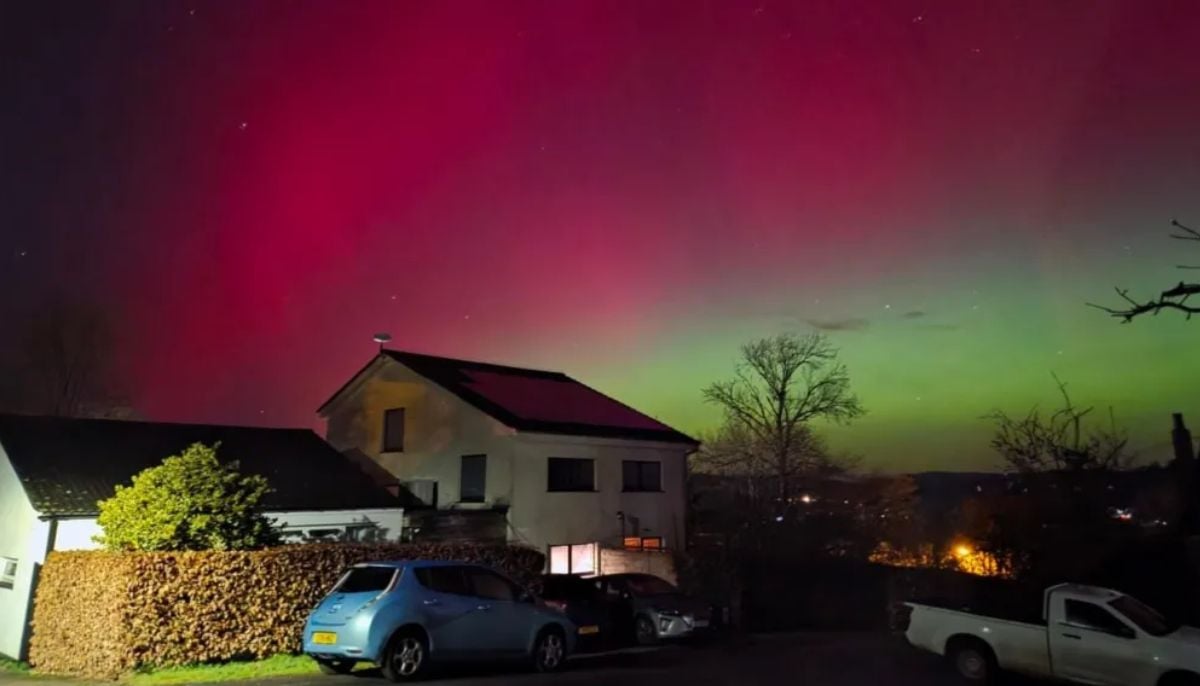
In the US, the NOAA said “Those in northern and central states of the continental US can look for the aurora if at night and should weather conditions permit."
“The green, red and purple hues of the rare lights could also be visible as far south as Alabama to northern California,” the agency added.
How to get the best view of the Northern Lights?
When the conditions are right, auroras can be seen from over 600 miles away. According to SWPC, the best time to see the Northern Lights is between 10 p.m. and 2 a.m., with activity expected to peak at midnight.
What makes this solar storm rare?
According to Shawn Dahl, a service coordinator at NOAA, the last solar storm of this magnitude was witnessed in 2003. The intense storm can cause satellite and flight disruptions and bring forth power outages.


-
 Can cancer drugs be made in space? Here’s what the new mission aims to find out
 -
 SpaceX Falcon 9 successfully launches Bandwagon-5 mission with 32 payloads
 -
 Europe launched 8 orbital rockets last year, can it rival Starlink?
 -
 Japan launches world’s first mission to bring sample back from phobos
 -
 Orionid meteor shower 2026: Peak date, viewing tips and what to expect
 -
 Why Mars looks blue in NASA’s unedited curiosity panorama?
 -
 Blue Origin upgrades new Glenn rocket launch infrastructure to take on SpaceX
 -
 NASA’s next Mars mission targets Phobos and Deimos, not Red Planet