Startup aims to brighten night skies with space mirrors
experts warns that large mirrors in orbit endangers one of planet’s most fragile common assets: Darkness
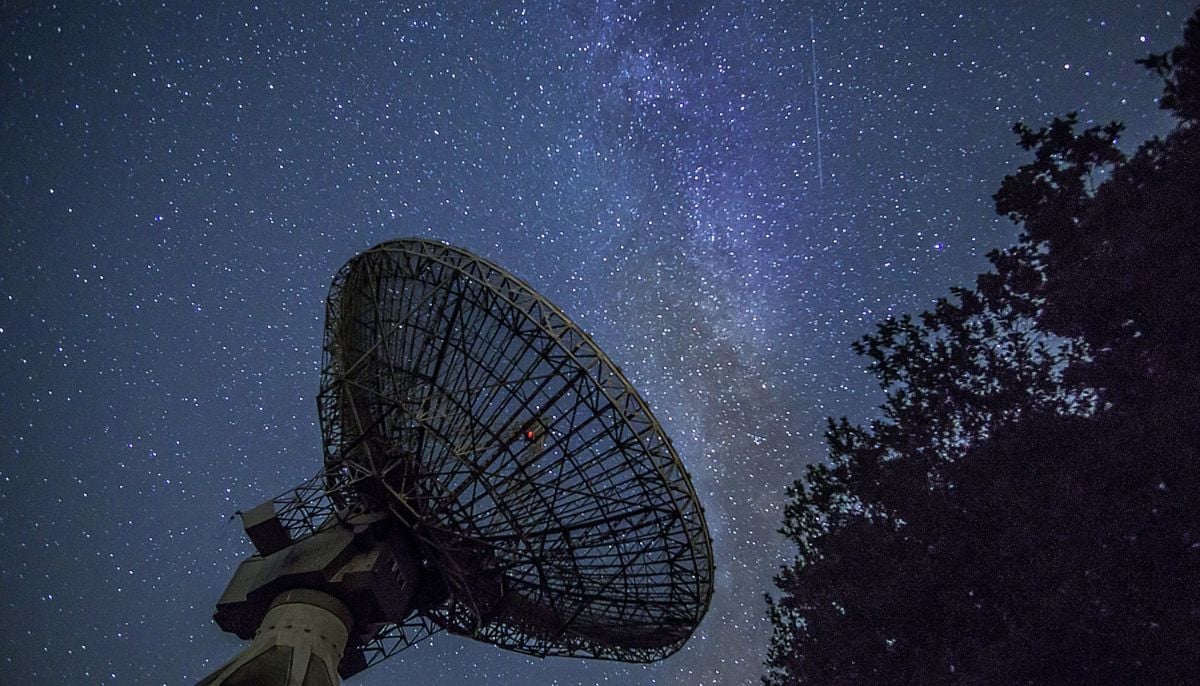
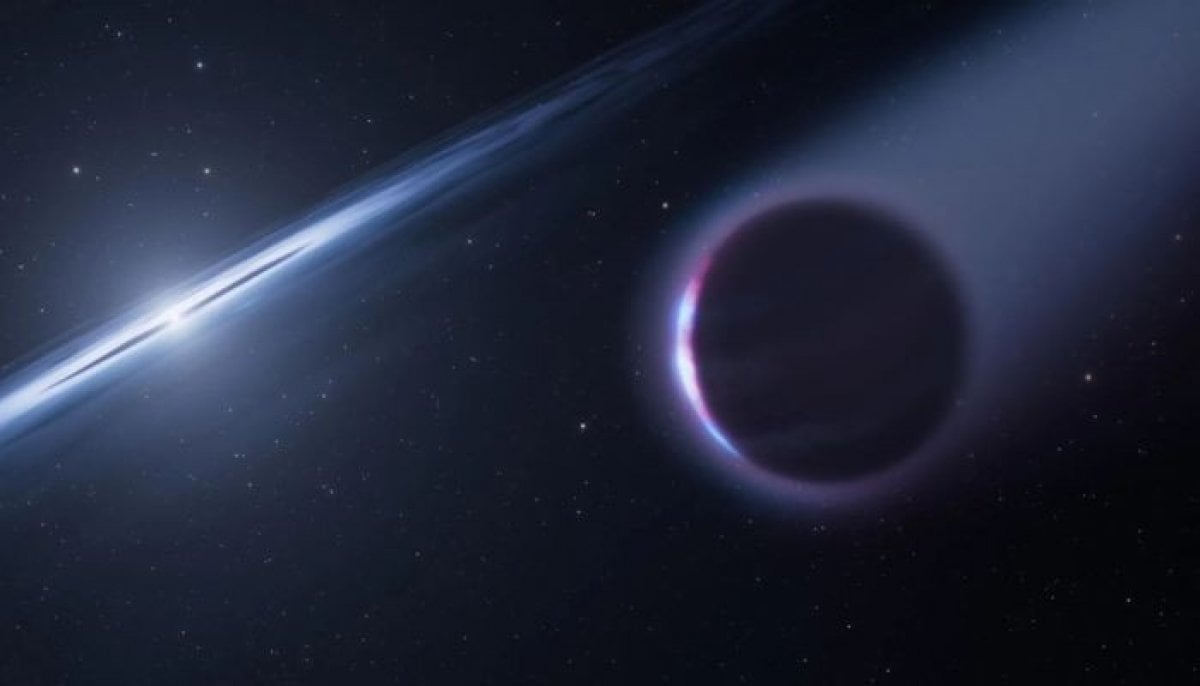
The night sky could soon lose some of its natural darkness if a controversial space project moves forward. Reflect Orbital, a California-based startup, is proposing to launch thousands of large mirrors into orbit to reflect sunlight back to Earth after dusk.
The proposed plan is to use approximately 4,000 reflector satellites that could be up to 55 meters wide, carrying the task of redirecting sun rays to required sites like city locations or solar power stations during nighttime when night sets in. It aims to provide extra daylight and improve solar panel power during nighttime when solar panels are not in use.
Nevertheless, experts have warned that this plan endangers one of the planet’s most fragile common assets: Darkness.
The astronomical community is most alarmed. Studies carried out by Dr Alejandro S. Borlaff at NASA’s Ames Research Center have found existing satellite orbits are already causing problems for astronomers. The shiny surfaces cause streaks on images received by telescopes and make it harder to see faint objects in the sky.
Reflect Orbital intends for its mirrors to orbit the Earth in a sun-synchronous orbit around the boundary of day and night, allowing it to reflect the sunlight while the Earth is in darkness.
However, this orbit would make its brightest spot during dawn and dusk, which are very important times for astronomical observation and for life processes.
The proposed license by the Federal Communications Commission for its initial test satellite, Earendil-1, is set to take place in the early months of April 2026. In the experiment, witnesses in designated areas should expect a bright light traversing the sky.
This is despite the claim by the firm that its mirror will tilt away after each passage. Still, atmospheric diffusion may cause the light to reach areas away from its focus.
Some estimates suggest the reflected beam could appear several times brighter than the full moon and remain visible up to 96 kilometres away. Even brief passes could disrupt telescope data and natural habitats over wide areas.


-
 Can cancer drugs be made in space? Here’s what the new mission aims to find out
 -
 SpaceX Falcon 9 successfully launches Bandwagon-5 mission with 32 payloads
 -
 Europe launched 8 orbital rockets last year, can it rival Starlink?
 -
 Japan launches world’s first mission to bring sample back from phobos
 -
 Orionid meteor shower 2026: Peak date, viewing tips and what to expect
 -
 Why Mars looks blue in NASA’s unedited curiosity panorama?
 -
 Blue Origin upgrades new Glenn rocket launch infrastructure to take on SpaceX
 -
 NASA’s next Mars mission targets Phobos and Deimos, not Red Planet