
Iceberg size of London breaks off near UK Antarctic base
Iceberg detached from 150-metre-thick Brunt Ice Shelf a decade after scientists first spotted massive cracks in shelf
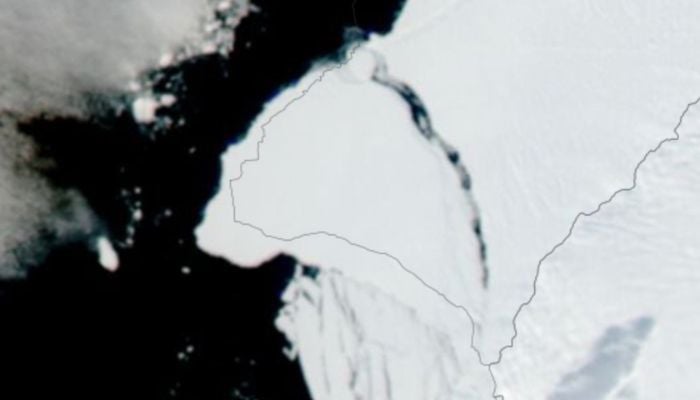
A huge iceberg nearly the size of Greater London has broken off the Antarctic ice shelf near a research station, the second such split in two years, researchers announced Monday.
The British Antarctic Survey (BAS) said the formation of the new iceberg — in a natural process called "calving" — was not due to climate change, which is accelerating the loss of sea ice in the Arctic and parts of Antarctica.
The iceberg, measuring 1,550 square kilometres, detached from the 150-metre-thick Brunt Ice Shelf a decade after scientists first spotted massive cracks in the shelf.
A similar spectacular separation, involving a 1,270-square-kilometre iceberg, occurred around a year ago.
"This calving event has been expected and is part of the natural behaviour of the Brunt Ice Shelf," said BAS glaciologist Dominic Hodgson.
"It is not linked to climate change."
Britain's Halley VI Research Station monitors the state of the vast floating ice shelf daily but is unaffected by the latest rupture.
The mobile research base was relocated inland for safety reasons in 2016-2017 as cracks in the ice threatened to cut it off.
Since then, staff have been deployed there only during the Antarctic summer between November to March, with 21 researchers currently on-site.
They maintain the power supplies and facilities that keep scientific experiments operating remotely through the winter, when it is dark for 24 hours and the temperature falls below minus 50 degrees Celsius (-58 degrees Farenheit).
"Our science and operational teams continue to monitor the ice shelf in real-time to ensure it is safe, and to maintain the delivery of the science we undertake at Halley," added Hodgson.
They are set to be collected by aircraft around February 6, according to the BAS, a world leader in environmental research in the region.





-
 Dutch seismologist hints at 'surprise’ quake in coming days
 -
 SpaceX cleared for NASA Crew-12 launch after Falcon 9 review
 -
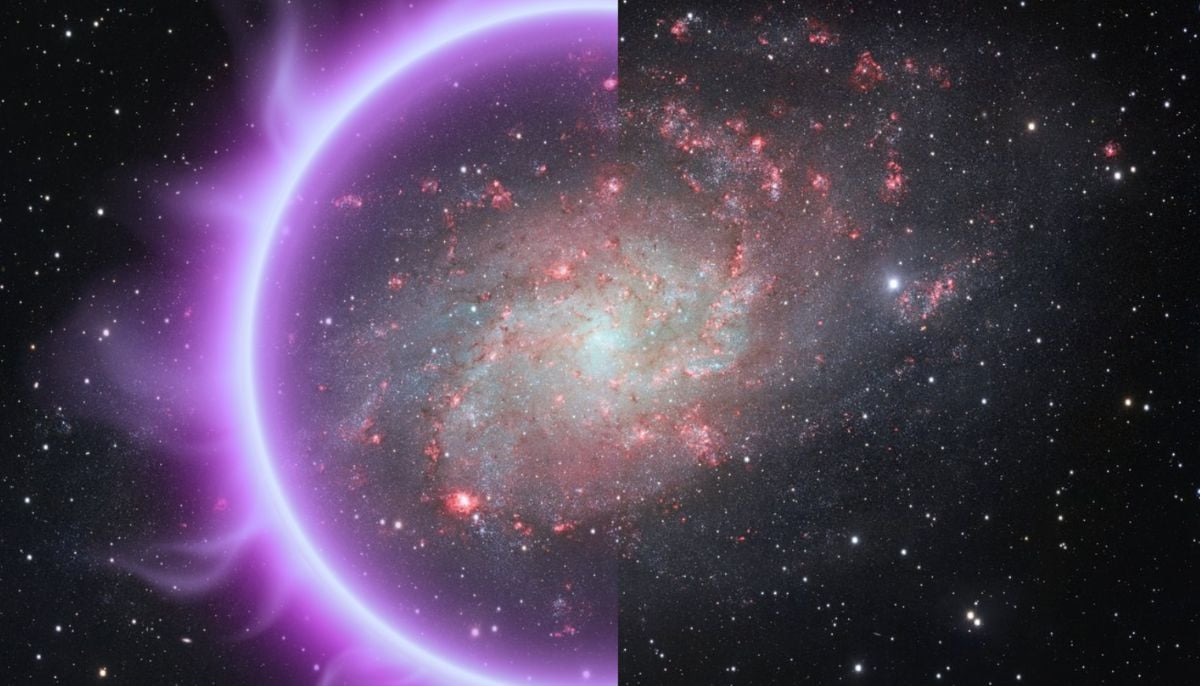 Is dark matter real? New theory proposes it could be gravity behaving strangely
 -
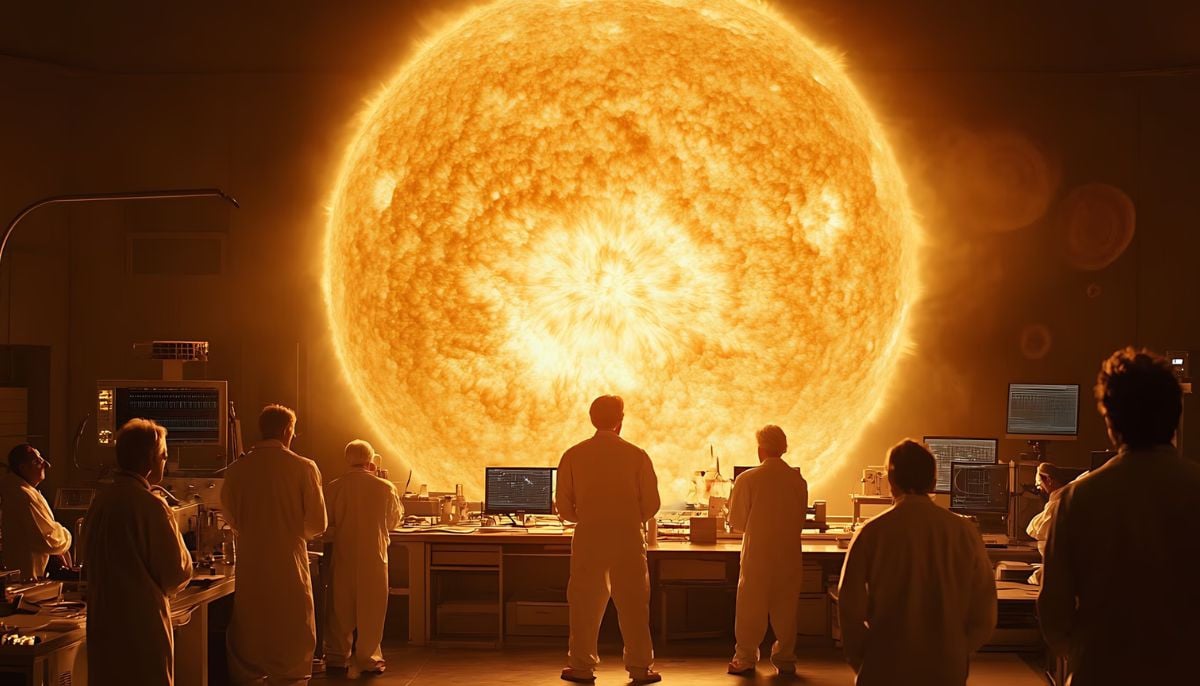 Shanghai Fusion ‘Artificial Sun’ achieves groundbreaking results with plasma control record
 -
 Polar vortex ‘exceptional’ disruption: Rare shift signals extreme February winter
 -
 Netherlands repatriates 3500-year-old Egyptian sculpture looted during Arab Spring
 -
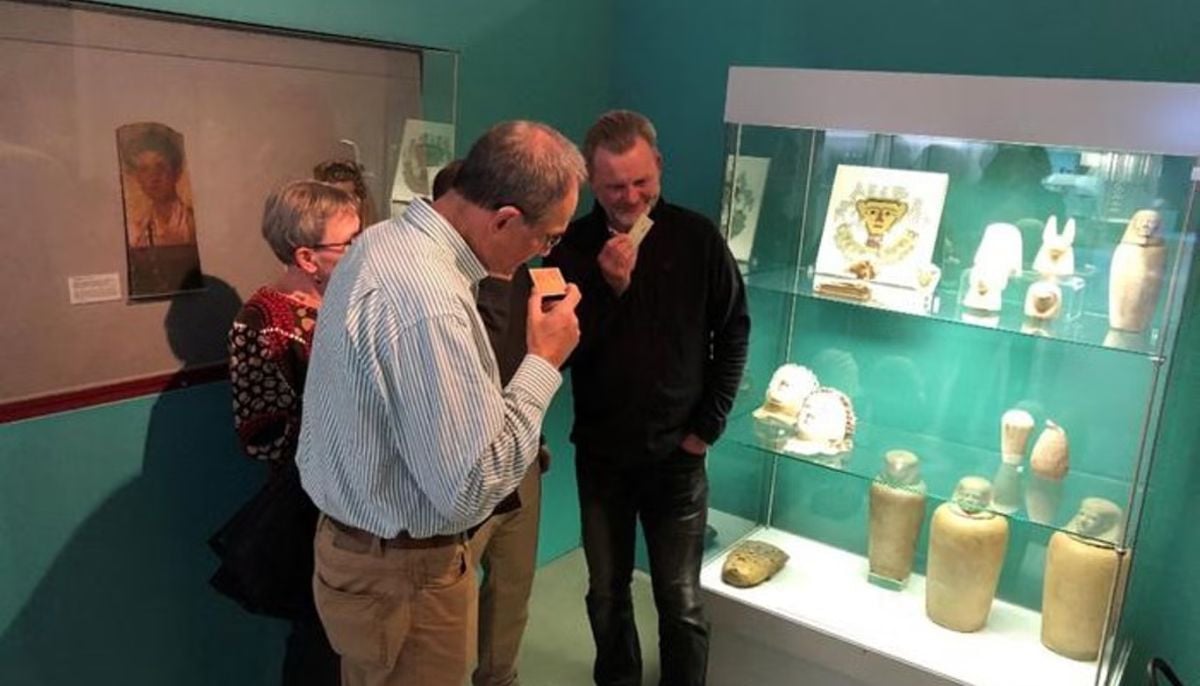 Archaeologists recreate 3,500-year-old Egyptian perfumes for modern museums
 -
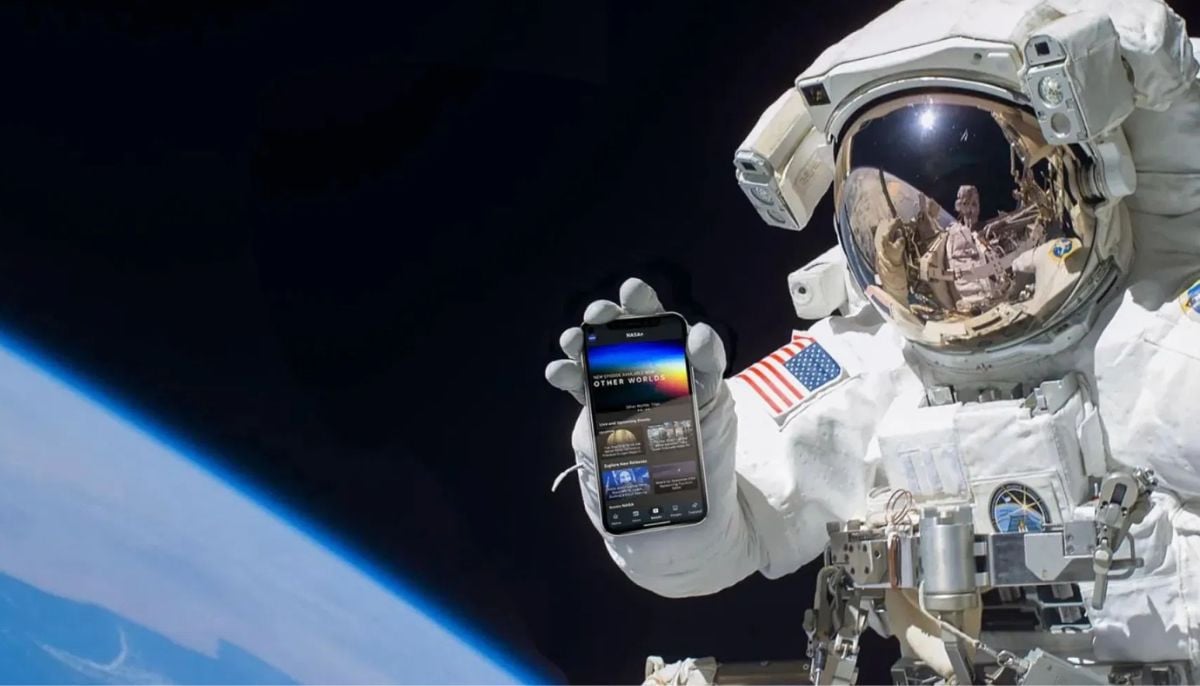 Smartphones in orbit? NASA’s Crew-12 and Artemis II missions to use latest mobile tech