
Vaccine shortage gets critical as 5th child dies in city from rabies
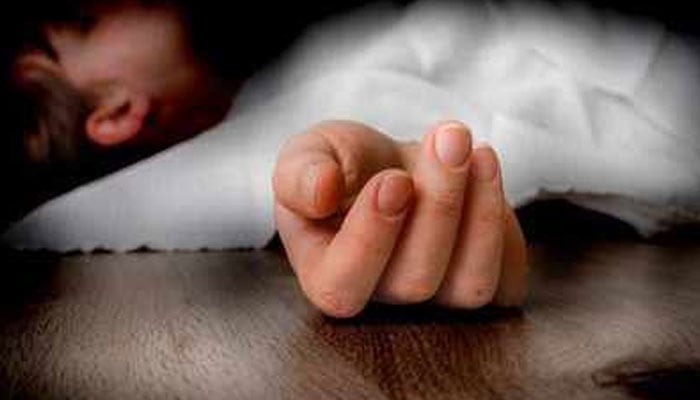
A persisting shortage of the anti-rabies vaccine (ARV) in Pakistan claimed another life in Karachi on Tuesday when an eight-year old child died due to rabies encephalitis at the Indus Hospital on Tuesday, officials said.
They said the boy had been bitten by a rabid dog in the Shikarpur city of Sindh a few weeks back but he could not get the vaccine and immunoglobulin as they were not available at the public and private hospitals there.
“Eight-year -old Rizwan, son of Ramzan, was brought to the Indus Hospital Karachi after many public hospitals refused to admit the unfortunate child. He was suffering from rabies encephalitis and had developed the incurable disease due to the biting of a rabid dog a few weeks back in the Shaikarpur town of Sindh as anti-rabies vaccine is not available anywhere in the interior of Sindh,” said Dr Naseem Salahuddin, head of infectious diseases at the Indus Hospital.
The father of the ill-fated child, Muhammad Ramzan, said they took the boy to the hospitals of Shikarpur and Larkana for vaccination but the vaccine was not available at any hospital. He said that when the condition of the child deteriorated they brought him to Karachi and took him to the Indus Hospital where he died.
Health officials in Karachi said it was the fifth death due to rabies encephalitis in Karachi this year, adding that the majority of victims were from the interior of Sindh and Balochistan, where the anti-rabies vaccine was not available.
According to the World Health Organisation (WHO), rabies is a vaccine-preventable viral disease which occurs in more than 150 countries and territories and dogs are the main source of human rabies deaths, contributing up to 99 percent of all rabies transmissions to humans.
Commenting on the death of the child, Dr Naseem Salahuddin said Pakistan was facing an acute shortage of the ARV after Indian companies refused to provide it. He said as many as five Indian companies manufactured the vaccine but they were selling it other regional countries as well as to developed countries at higher prices.
“I have approached the federal government to raise this issue of the ARV shortage in Pakistan and I have informed it that Pakistan is short of eight lakh doses of anti-rabies vaccine. This situation is in my knowledge and I urge the federal health authorities to immediately arrange the vaccine or there would be scores of more deaths due to this vaccine-preventable disease.”
Earlier in the month, an 11-year-old boy from the Sanghar district of Sindh had died due to the lethal dog-borne disease at Jinnah Postgraduate Medical Centre (JPMC) Karachi. He had been bitten by a rabid dog and could not be immunised.
Executive Director JPMC Dr Seemin Jamali says patients are required to get proper immunisation with the anti-rabies vaccine as well as with immunoglobulin administration immediately after they are bitten by a dog, adding that people should visit the JPMC’s dog-bite centre at its emergency for vaccination.
She says that around 100 to 150 new and old cases of dog-bite are reported at the centre for vaccination. So far, she says, over 3,500 people, mostly children, have visited the JPMC for vaccination after being bitten by stray dogs from different areas of Karachi, interior of Sindh and Balochistan.
“Authorities should take this issue seriously now and get people rid of stray dogs. Unfortunately, in most of the cases, children become victims of stray dogs as they cannot defend themselves against the beasts,” says Dr Jamali.
“Rabies elimination is feasible through vaccination of dogs and prevention of dog-bites. Infection causes tens of thousands of deaths every year, mainly in Asia and Africa. Around 40 percent of people bitten by suspect rabid animals are children under 15 years of age,” the WHO fact sheet about rabies says.
Immediate, thorough wound washing with soap and water after contact with a suspect rabid animal is crucial and can save lives. In up to 99 percent of cases, domestic dogs are responsible for rabies virus transmission to humans. Yet, rabies can affect both domestic and wild animals. It is spread to people through bites or scratches, usually via saliva, WHO says.
Pakistan is facing an extreme shortage of the ARV due to a limited supply from India, says Dr Jamali, adding that they have managed to get vaccine for their needs, but at most of the public and private hosptials in Karachi, the ARV and immunoglobulin are not available.
“At the time when anti-rabies vaccine is hard to acquire, atuhorities should take this issue seriously and take measures to reduce the population of stray dogs in Karachi and the rest of the country,” Dr Jamali says and adds that if right decisions are not taken immediately, this could emerge as a major public health concern in the days to come.







-
 Chocolate Prices Climb Across Europe Before Easter
 -
 'Spice Girls' Mel B Breaks Silence On Reunion Tour Rumours: 'A Shock To Me'
 -
 Zara Larsson Schools Critics In Support For Chappell Roan
 -
 Meghan Markle Receives 'Princess' Title After Latest Move
 -
 Ozzy Osbourne's Daughter Kelly Drops Ice-cold Message For Ex-fiancé Slipknot DJ Sid Wilson
 -
 New Covid Variant BA.3.2 Spreads Across US As Experts Stress Vigilance
 -
 Meghan Markle Makes Big Blunder: Here's Why She 'alienated Everyone'
 -
 Pavel Durov: Russia’s Anti-VPN Measures Triggered Payment Failure
 -
 Blake Lively's Statement Sparks Response From Piers Morgan After Her Legal Setback
 -
 50 Cent Shocks Fans With Forgiveness Prayer
 -
 NASA Artemis II Crew To Break Apollo 13 Distance Record
 -
 New Study Investigates Phenomenon Surpassing The Speed Of Light
 -
 Netflix Surprises Gordon Ramsay With Special Gift For His 60th Birthday: 'It's Absolutely Huge'
 -
 Savannah Guthrie Receives Secret Message As Search For Nancy Continues
 -
 'Glee' Star Amber Riley Exposes Dark Side Of Broadway: 'It's Not Healthy'
 -
 Blake Lively Secures Strong Support After Lawsuit Against Justin Baldoni Takes Hit