
FBR launches automated cargo scanning at ports
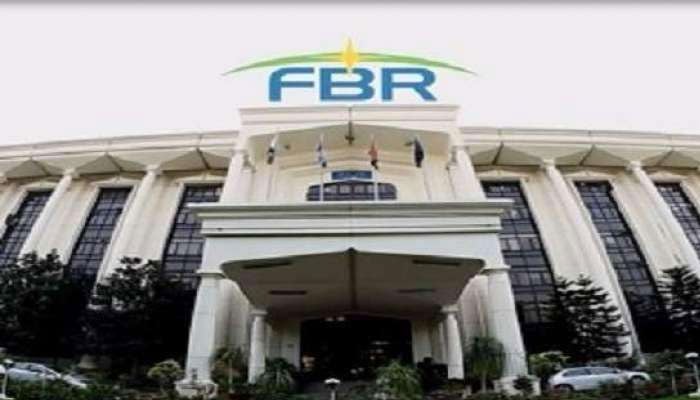
ISLAMABAD: Federal Board of Revenue (FBR) on Wednesday announced an automated process for scanning cargos, a long-awaited initiative aimed at replacing physical inspection of cargo and reducing the dwell time at ports.
According to an official announcement, the FBR’s Customs Wing introduced a new automated process in the WeBOC [web-based one customs) system for scanning of containerised import consignments of industrial raw materials for their speedy clearance at ports.
The introduction of non-intrusive inspection system by customs was a long-awaited initiative aimed at replacing physical inspection of cargo and reducing the dwell time at ports by using the latest scanning technology in line with international best practices.
The Karachi Port and Port Qasim have scanning facilities installed with the assistance of Japanese government under JICA [Japan International Cooperation Agency] program in addition to the scanners of the terminal operators. The blue channel will be part of the risk management system through which customs will be able to select the consignments of containerised cargo based on RMS by using a computer program targeting the suspected shipments. The system shall operate without human intervention which is designed to be based on the risk profiling and risk parameters. The scheme is envisaged to reduce the physical examination of goods which is time consuming and costlier besides causing port congestion. The program has been implemented initially at KICT, SAPT terminals of Karachi port and at QICT, Port Qasim with effect from 19th April, 2021 for industrial raw materials and drastic reduction in clearance time of such consignments has been observed.
The World Customs Organization recommends the scanning of suspected cargo at ports and border stations for security of supply chain under its Security and Facilitation Framework and Kyoto Convention. By implementing the Blue channel, Pakistan Customs will not only be able to ensure security of supply chain but also ensure correct declaration of goods and secure legitimate payment of duty and taxes by the importers. This technological intervention will support in facilitating the trade by reducing the clearance time, saving cost, and decreasing port congestion leaving positive impact on overall cargo dwell time. The program will go a long way in modernization of customs procedures in Pakistan.
The World Bank has sponsored reforms program of $400 million for domestic resource mobilisation through the automation of tax collection processes and the simplification of tax compliance procedures.


