China rolls out new AI-powered 'DeepRare' technology for efficient medical diagnosis
DeepRare offers a practical tool for clinicians facing the persistent challenge of identifying rare diseases, potentially setting a new global standard for AI-assisted diagnostics
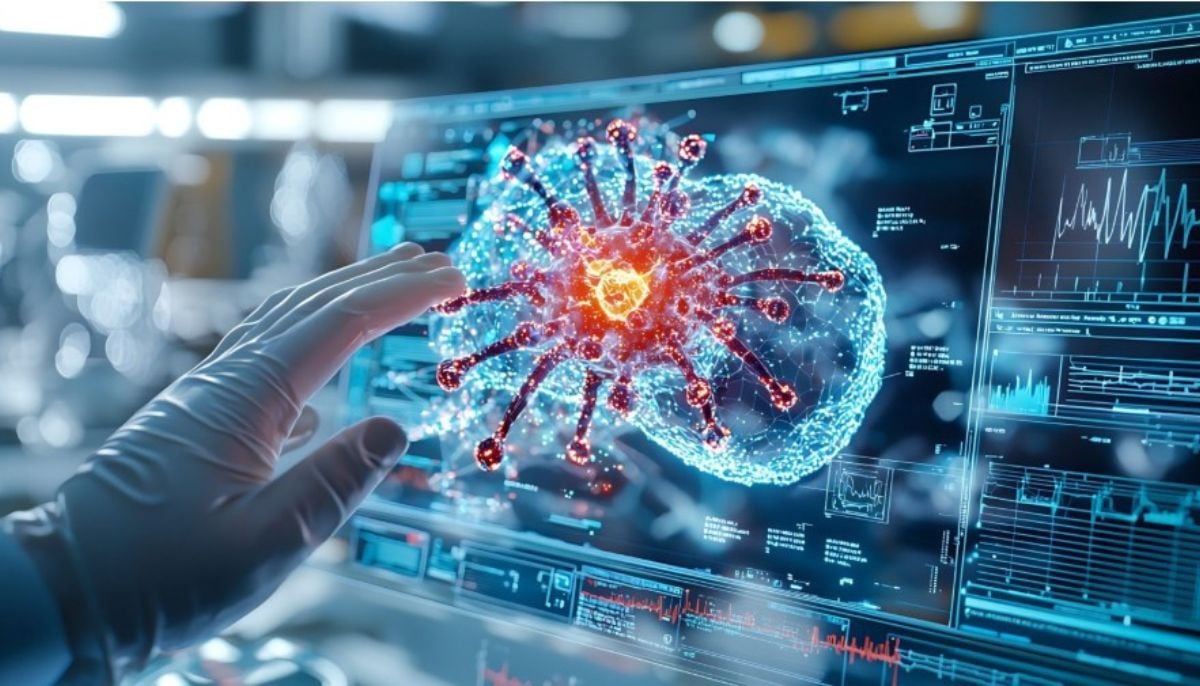
Researchers based in China have created an artificial intelligence (AI)-based tool that combines a mixture of patient information, including genetic data, clinical symptoms, and doctors’ notes, to help diagnose rare diseases more quickly and accurately.
The project, led by Shenhua Hospital and the university’s School of Artificial Intelligence, has already attracted over 1,000 specialized users from more than 600 medical and research institutions worldwide.
Tests show DeepRare achieves 57.18 percent accuracy using only clinical data, marking a 24-point improvement over previous models. Including genetic data raises accuracy above 70 percent, showing potential to improve diagnosis in areas without advanced testing.
The system draws on an extensive knowledge base of medical literature and real-world cases. Its cycle of hypothesis, validation, and self-review boosts reliability and fills reasoning gaps, surpassing the limits of traditional AI models.
Rare diseases are defined as conditions affecting fewer than 1 in 2,000 people collectively impact more than 300 million people worldwide, with more than 7,000 distinct disorders identified to date, approximately 80% of which are genetic in origin, the investigators wrote in the paper describing their work in Nature.
“Despite their cumulative burden, rare diseases remain notoriously difficult to diagnose due to their clinical heterogeneity, low individual prevalence, and limited clinician familiarity.”
Additionally, by enhancing transparency and precision, DeepRare offers a practical tool for clinicians facing the persistent challenge of identifying rare diseases, potentially setting a new global standard for AI-assisted diagnostics.


-
 Pentagon to adopt Palantir AI as core US military system after dispute with Anthropic
 -
 Elon Musk found liable in fraud lawsuit by Twitter shareholders over $44 billion deal
 -
 US allows 30-Day sale of Iran Oil in bid to curb rising global energy prices
 -
 Pinterest considers social media restrictions for under-16s following Australia’s ban over child safety concerns
-
 Meta pauses Mercor work after major data breach
 -
 Sam Altman's OpenAI buys TBPN to expand communication strategy and shape AI public debate
 -
 DeepSeek V4 model bets on Huawei chips as demand surges
 -
 Quantum computing threat: Why global cybersecurity could collapse soon
 -
 AI cyberattacks set to outpace human hackers, experts warn
 -
 Why Google launched the Gemma 4 AI model: Here’s everything to know
 -
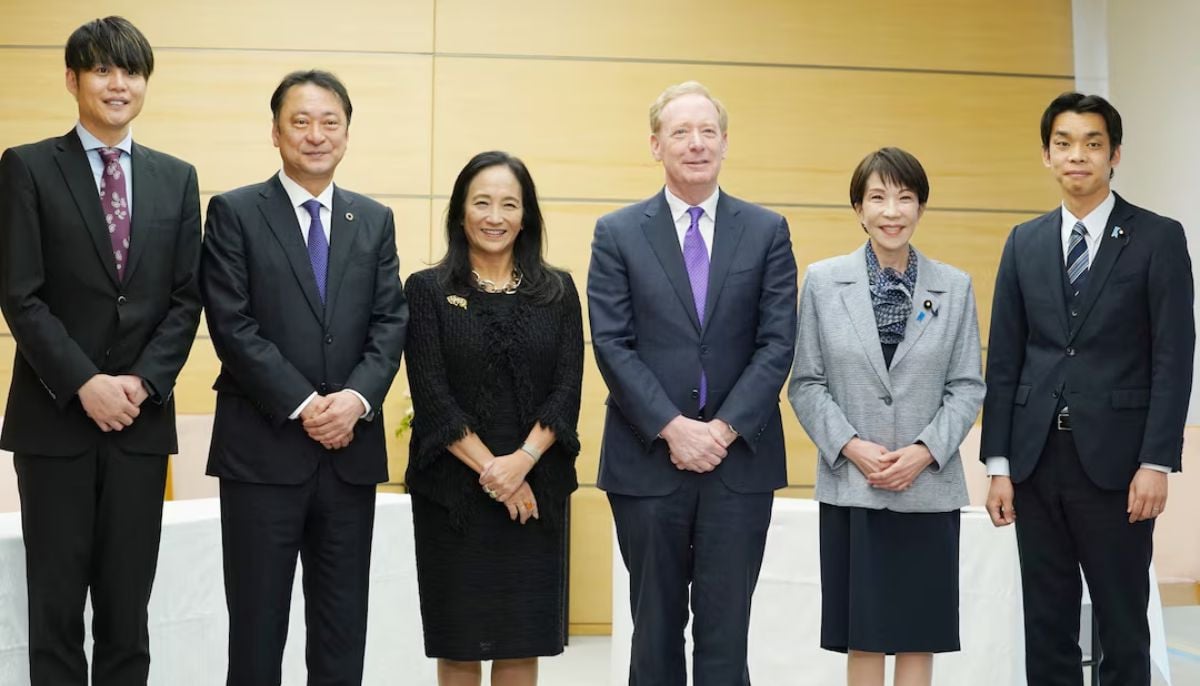 Microsoft to power Japan’s AI future with massive $10B investment
 -
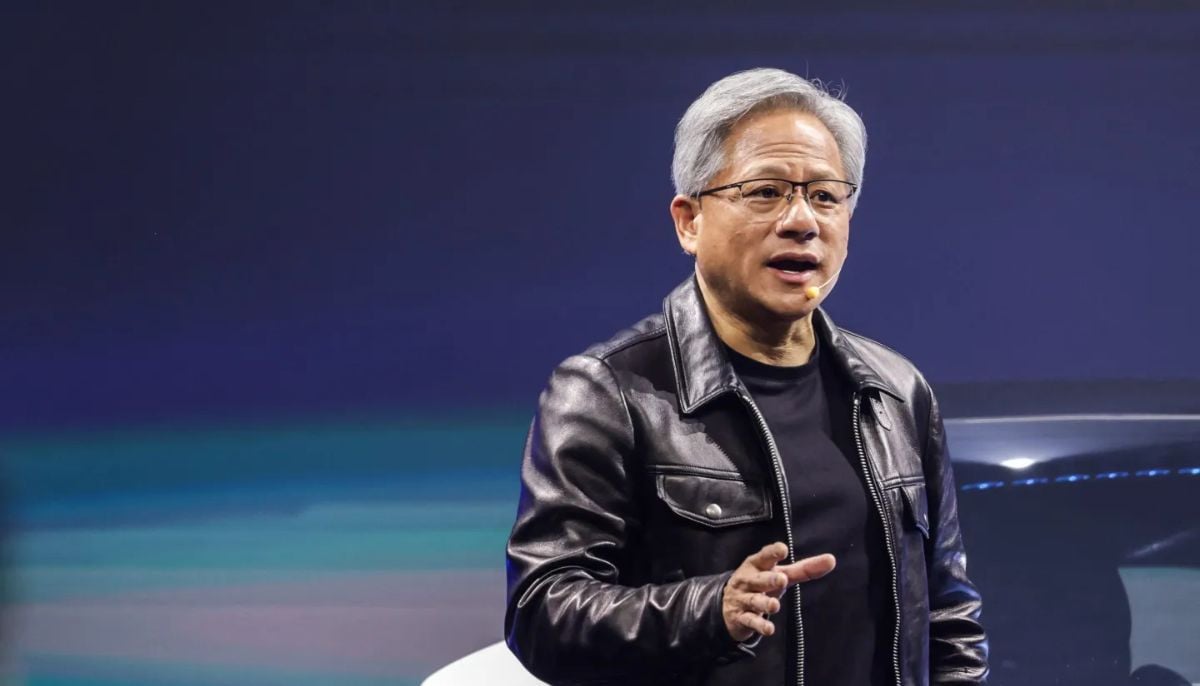 AI won’t replace jobs, it will evolve them, says Nvidia CEO