From human to machine: 15% of American accept AI in leadership roles
The majority of respondents were not willing to swap their human boss for an AI people manager
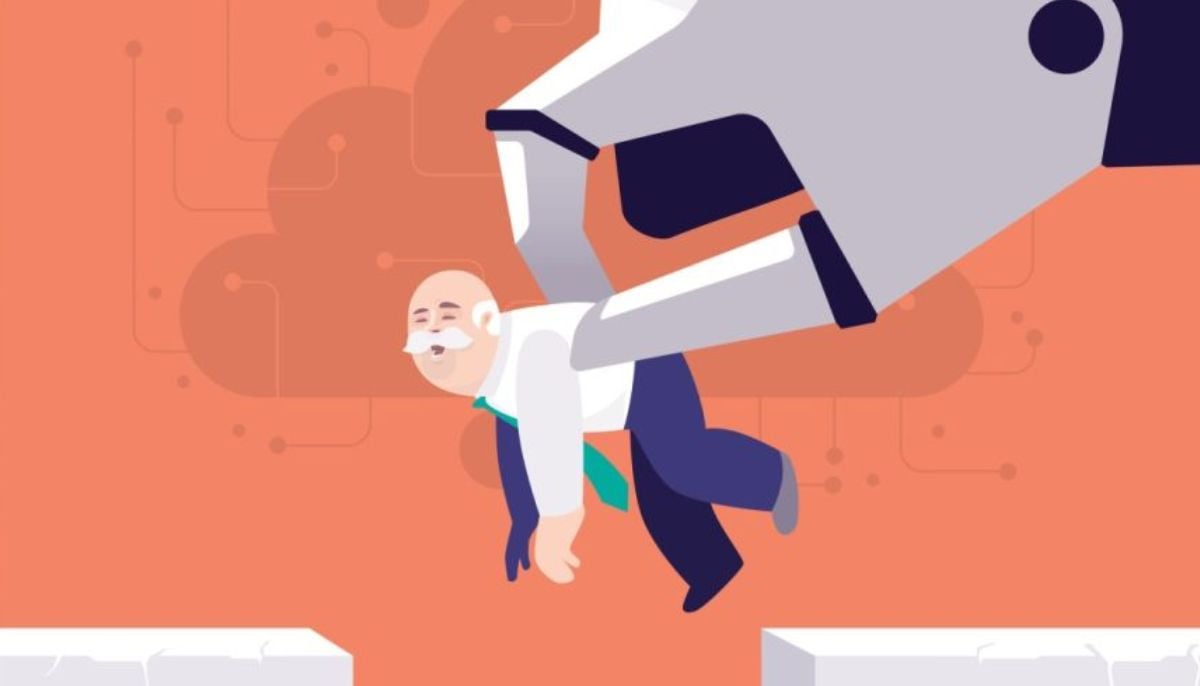
A surprising trend has emerged from new poll results showing that 15% of Americans are willing to work for an AI boss. According to a recently published Quinnipiac University poll, 15% of Americans say they would be open to a job where their direct supervisor was an AI program that assigned tasks and set schedules.
To this end, Quinnipiac surveyed 1,397 adults in the United States. The poll conducted between March 19 and 23, 2026, incorporated questions about AI adoption, trust, and job-related fears. The results demonstrated that a majority of respondents were not willing to swap their human boss for an AI people manager. Despite this, the use of AI acting as a supervisor is gaining popularity, even if it is not yet in charge of directing entire teams.
Can AI agents be trusted to approve your expense reports?
Prominent companies like Workday have launched AI agents that can file and approve expense reports on employees’ behalf. Similarly Amazon has deployed new AI workflows to replace some of the responsibilities of middle management, a move that has resulted in laying off thousands of managers.
Furthermore, engineers at Uber even built an AI model of CEO Dara Khosrowshahi to field pitches before meetings with their actual boss. Despite the organization, AI is being used to replace layers of management as soon they may see billion-dollar companies of one, with fully automated employees and executives. For many Americans, this shift presents a worrying outlook for Americans for their future job prospects.
The majority of respondents in Quinnipiac’s survey expressed concern that AI advancement will lead to a decrease in human job opportunities. Notably, 30% of employed Americans were very concerned that AI would make their roles obsolete. As a surge in artificial intelligence is observed across all sectors, the global community is watching closely to see how these developments will shape the future of work.






-
 Apple speeds up software updates amid AI-driven cybersecurity threats
 -
 WhatsApp will now let you chat without sharing your phone number
 -
 Trillionaire Elon Musk celebrates birthday with rocket-themed cake
 -
 Breaking: Is Minecraft down? Several users report outages
 -
 Europe's heatwave puts AI data centres under pressure
 -
 US plans to build world's first fault-tolerant quantum computer: Check details
 -
 Base iPhone 18 likely to feature 9GB RAM, leak suggests
 -
 South Korea plans massive $576bn AI-chip bet to challenge global rivals