Oil spikes and shares drop following Trump Iran address: Here’s why
Brent jumped by 4.8% to $106.02, while West Texas Intermediate oil rose 4% to about $104/
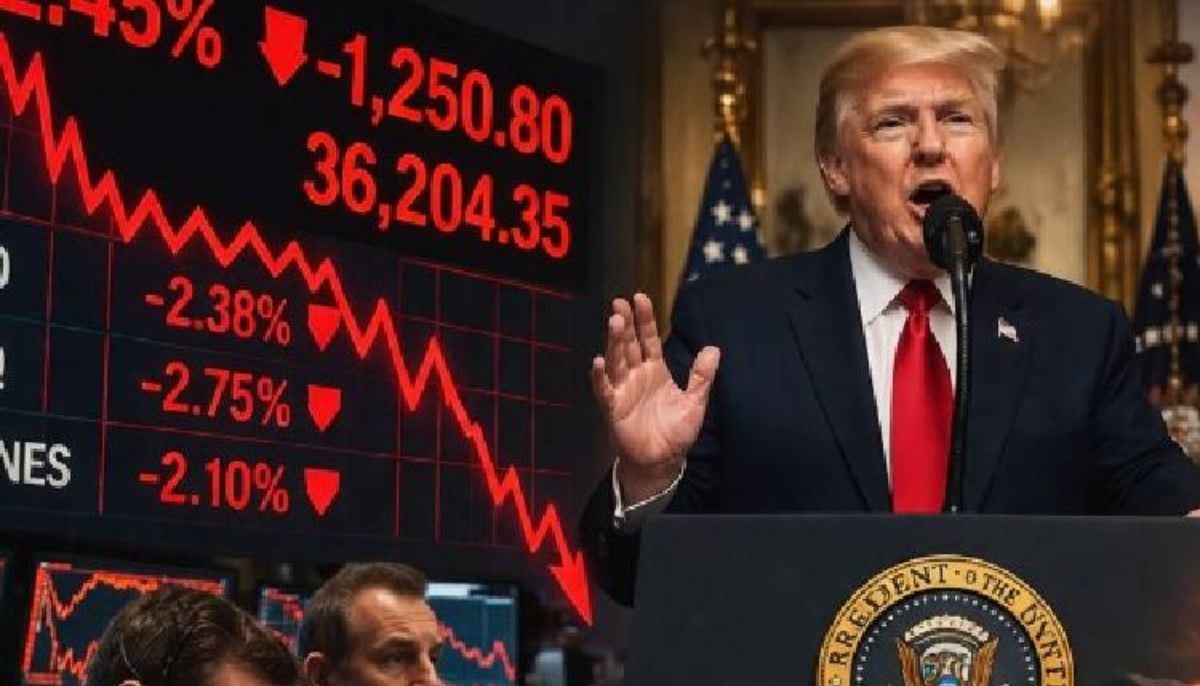
US President Donald Trump delivered a primetime televised speech about the ongoing conflict happening in Iran on Wednesday. The situation remains volatile, resulting in instability. The prices of oil rose, and Asian shares fell following the recent speech as he clarified that his core objectives are nearing completion.
Given the gravity of the situation, he called on countries reliant on Middle East to take responsibility for keeping the Strait of Hormuz open, noting that the US no longer requires energy from the region.The strait is a crucial shipping lane in the Persian Gulf that is significant to move about 20 per cent of the world’s oil. Meanwhile, the US national average for gasoline has crossed $4 a gallon, creating a significant political headache for the Republican Party ahead of the November midterms.
Following the address, Brent jumped by 4.8% to $ 106.02, while West Texas Intermediate oil rose 4% to about $104/. The significant gains are a clear market reality check following the earlier optimism for an imminent ceasefire”. Observers noted that Trump’s speech lacked a “concrete timeline” for the reopening of the Strait of Hormuz, effectively removing hopes that disruptions to global energy supplies will be resolved immediately.
Given the gravity of the situation, he has signalled that the war will continue, managing investor expectations to anticipate that oil supplies will remain tight, said Tina Soliman-Hunter from Macquarie University. Meanwhile, major stock indexes in Asia fell after the address, reversing their initial gains.
Japan’s Nikkei 225 was down 1.9%, South Korea’s Kospi fell 3.5%, and the Hang Seng in Hong Kong dropped 1%. From the time being when the situations were uncertain, the region's stock markets reached a point when the Iran war started at the end of February. Asia is specifically vulnerable to the conflict’s impact because of its heavy dependence on Middle Eastern energy supplies. US stock futures also declined, indicating a significant lower open for Wall Street on Thursday morning.
Dow Jones and S&P 500 futures were down roughly 1% lower, while Nasdaq futures by about 1.4%/. Amid this global turmoil, these futures suggest a rocky start for Wall Street as investors hedge their bets. Ultimately the trajectory of the market will depend on whether the conflict escalates further, as price volatility continues to drive investor sentiment.


-
 Australian telecom shares tumble as SpaceX moves closer to direct-to-cell market
 -
 World Bank in crisis aid talks with dozens of nations amid global shocks
 -
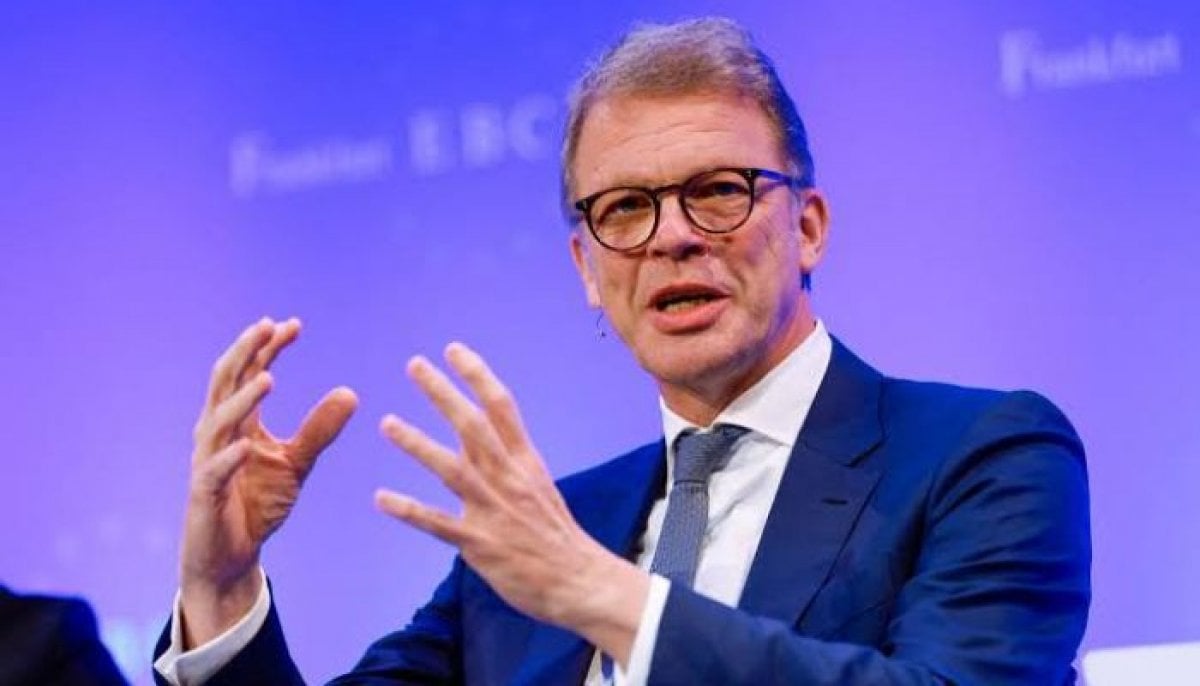 Deutsche Bank chief explains why German election results alarm foreign investors
 -
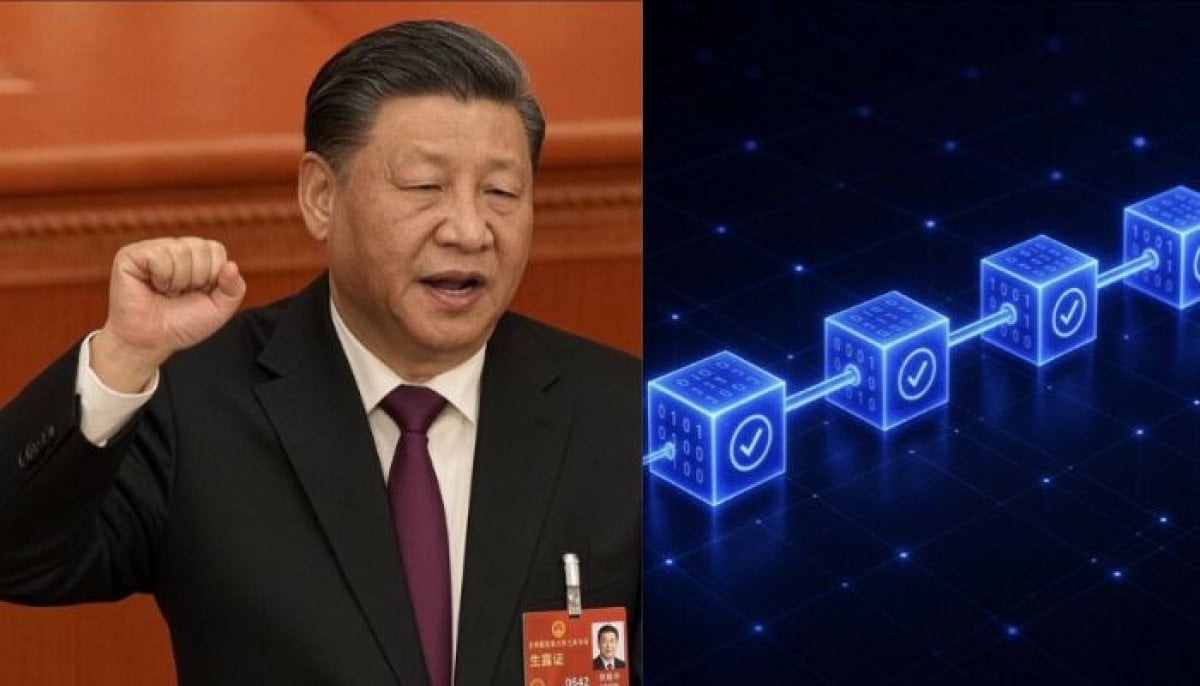 China orders development of national blockchain network in economic blueprint: Here’s why
 -
 Tesla renames 'full self-driving' to 'assisted driving' in Europe: What to know
 -
 US sanctions ICC hours after former judge wins Nobel Prize: What to know
 -
 Trump holds millions in Meta stock: What to know
 -
 Amazon announces 1,000 corporate job cuts, primarily targeting retail division
-
 Coupang files lawsuits to contest record $462 million South Korean data breach penalties
 -
Google and Unity partner on new AI game creation platform
-
Sources reveal truth behind French brand Lacoste CEO getting fired ahead of Paris runway show
-
Canadian rents hit three-year September low after 24 months of declines