World Bank in crisis aid talks with dozens of nations amid global shocks
With global markets facing intense shocks from Middle East conflicts and rising borrowing costs, President Ajay Banga confirms active discussions with up to 40 nations
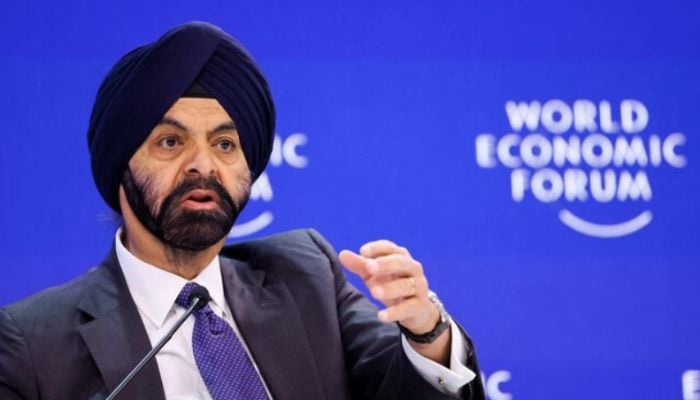
The World Bank is engaged in active discussions with dozens of countries regarding potential crisis aid to help developing economies navigate severe energy shocks and price spikes.
As reported by Reuters, the World Bank's president Ajay Banga said is in discussions with 30 to 40 countries about potential crisis aid to help them manage energy shocks and price increases triggered by the war in the Middle East, its president.
Banga stressed the global economy had proven fairly resilient, in part due to big AI investments and adjustments in supply and demand for oil, which meant that few countries had sought the initial issues in crisis funds that the World Bank had made available when the war began in late February.
"There is pressure, and so I think maybe over the coming months, more countries will come for some slice of that first $50 to $60 billion."
World Bank President Ajay Banga said the institution initially made $25 billion available for crisis financing but could mobilise as much as $100 billion if economic conditions worsen.
Many developing countries are already struggling with heavy debt repayments while higher diesel and fertiliser prices threaten transport costs, food production and household budgets.
Banga did not identify all the countries seeking assistance, but Reuters reports that capital flows to Africa have increased, with Nigeria among major recipients of World Bank-supported private investment.
The discussions come ahead of the IMF and World Bank annual meetings in Bangkok, where energy prices, debt and slowing economic growth are expected to dominate talks.
World Bank President announced that while the global economy has shown unexpected resilience—partly cushioned by major technology investments and supply adjustments mounting geopolitical tensions and volatile energy costs continue to threaten vulnerable nations.
Speaking ahead of joint international financial meetings, Banga noted that many governments are currently opting to retool existing project portfolios rather than immediately tapping specialized emergency windows.
However, the institution remains prepared to deploy substantial financing if economic conditions deteriorate further.
The ongoing talks also focus heavily on tackling soaring public debt levels that have constrained fiscal space across the developing world.
The World Bank and the International Monetary Fund are concurrently advancing initiatives—including debt-for-development swaps and portfolio-backed guarantees—to help emerging markets restructure high-priced legacy debt into sustainable funding for education, healthcare, and infrastructure.
Officials stress that agile, proactive policy responses will be critical as nations grapple with the compounding pressures of regional conflicts, shifting commodity markets, and tightening global liquidity.


-
 Deutsche Bank chief explains why German election results alarm foreign investors
 -
 China orders development of national blockchain network in economic blueprint: Here’s why
 -
 Tesla renames 'full self-driving' to 'assisted driving' in Europe: What to know
 -
 US sanctions ICC hours after former judge wins Nobel Prize: What to know
 -
 Trump holds millions in Meta stock: What to know
 -
 Amazon announces 1,000 corporate job cuts, primarily targeting retail division
 -
 Coupang files lawsuits to contest record $462 million South Korean data breach penalties
 -
 Google and Unity partner on new AI game creation platform
-
 Sources reveal truth behind French brand Lacoste CEO getting fired ahead of Paris runway show
 -
Canadian rents hit three-year September low after 24 months of declines
-
Google under fire in £1 billion UK case over app store charges
-
Anthropic CEO Dario Amodei pulled in $18 Million last Year, IPO filing shows