
Inequality in access to food, medicine

Essential food and medicines remain unaffordable for many. The rising costs of food, fuel, and medicine in Rawalpindi have made essential items unaffordable for vulnerable groups such as pregnant women, children, and the sick. This is a significant concern, as many individuals struggle to afford these necessities due to various economic constraints.
“A large portion of the city’s population lives below the poverty line, making it challenging for families to prioritize nutritious food or access quality medicines. Basic food staples like wheat, rice, and lentils are often prioritized over fruits, vegetables, dairy, and protein-rich foods due to their high costs,” says Parsa Batool.
“The costs of fresh fruits, vegetables, and protein, which are crucial for a balanced diet, have skyrocketed in recent years, making it nearly impossible for lower-income families to afford them,” states Zartaj Zahra.
“The availability of nutritious food in economically disadvantaged areas is limited. Markets in these localities often lack a sufficient supply of diverse foods that meet the nutritional needs of pregnant women, children, and the sick, leaving many without reliable sources of vitamins and essential nutrients,” explains Noor Fatima.
“Even when public health campaigns stress the importance of medicines, essential healthcare costs remain unaffordable for many families. Although there are public health programs in the city, the quality of healthcare services in government-run hospitals is often inadequate, and many essential medicines are priced out of reach,” notes Zillay Huma.
“Health insurance is not widely available in the city, and most people must cover medical expenses out of pocket. For those struggling with poverty, deciding between food and healthcare becomes a significant challenge,” adds Sheher Bano.
“Media campaigns highlighting the importance of nutrition often fail to address the root causes of poverty and the lack of access to resources. These campaigns present ideal scenarios rather than reflecting the reality of financial constraints faced by common individuals. They underscore the gap between recommended practices and what is realistically attainable for poor families,” suggests Naveera Batool.







-
 Breaking: 2 Dead Several Injured In South Carolina State University Shooting
 -
 China Debuts World’s First AI-powered Earth Observation Satellite For Smart Cities
 -
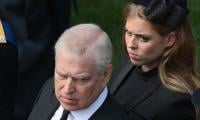 Royal Family Desperate To Push Andrew As Far Away As Possible: Expert
 -
 Cruz Beckham Releases New Romantic Track 'For Your Love'
 -
 5 Celebrities You Didn't Know Have Experienced Depression
 -
 Trump Considers Scaling Back Trade Levies On Steel, Aluminium In Response To Rising Costs
 -
 Claude AI Shutdown Simulation Sparks Fresh AI Safety Concerns
 -
 King Charles Vows Not To Let Andrew Scandal Overshadow His Special Project
 -
 Spotify Says Its Best Engineers No Longer Write Code As AI Takes Over
 -
 Michelle Yeoh Addresses 'Wicked For Good' Snub At 2026 Oscars
 -
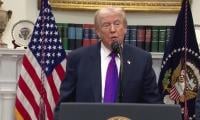 Trump Revokes Legal Basis For US Climate Regulation, Curb Vehicle Emission Standards
 -
 DOJ Blocks Trump Administration From Cutting $600M In Public Health Funds
 -
 2026 Winter Olympics Men Figure Skating: Malinin Eyes Quadruple Axel, After Banned Backflip
 -
 Meghan Markle Rallies Behind Brooklyn Beckham Amid Explosive Family Drama
 -
 Scientists Find Strange Solar System That Breaks Planet Formation Rules
 -
 Backstreet Boys Voice Desire To Headline 2027's Super Bowl Halftime Show