
Government exploring ethanol-blended petrol
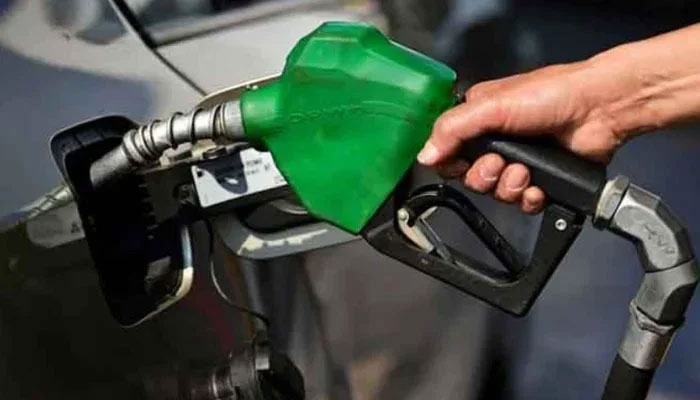
KARACHI: The government is contemplating blending ethanol into petrol, with the prime minister forming a committee to look into prospects in this regard. The committee will be headed by the minister of petroleum with the minister of finance, minister of state for finance and secretary of the Petroleum Division as its members.
The committee is to firm up a policy for blending ethanol into petrol and will be acting under certain terms of reference (TORs). It will also study international best practices and analyze previous attempts in Pakistan regarding the blending of ethanol into petrol.
The aim is also to come up with a concrete plan and policy for the production and supply of ethanol-blended petrol in the country. The prime minister has given the committee one month to finalize its recommendations.
On the other hand, the country’s oil sector is not hopeful about the plan to blend ethanol into petrol as this is neither commercially viable for refineries nor for the sugar industry, which produces ethanol.
People in the oil sector have said that such attempts were made in the past but were not successful as the oil sector didn’t deem it commercially viable. During the Musharraf government especially, the blending of ethanol with petrol was talked about quite often.
According to CEO of Pakistan Refinery Limited (PRL) Zahid Mir, “Ethanol is a chemical produced by the sugar industry and has a high Ron and can be blended with petrol and used in motor vehicles".
Mir said that attempts in the past failed since this was not commercially feasible for the oil sector as well as for the sugar industry. He pointed out that ethanol is exported and fetches a high price in the global market, which local refineries can’t afford to pay as the price of petrol after blending would likely go up. Likewise, the sugar industry wouldn’t be selling the ethanol at a lower price as they get a high price by exporting it to the international market.
Mir said that ethanol is blended with petrol in Brazil at a high level because the country produces huge quantities of sugar. However, if we were to produce more sugarcane for the high production of ethanol to bring down its price, it would adversely impact the other crops, which can’t be a viable option in the current scenario.


