US health experts say monkeypox cases harder to detect
The Centers for Disease Control and Prevention (CDC) stressed that identifying cases was crucial to curbing the spread of the disease
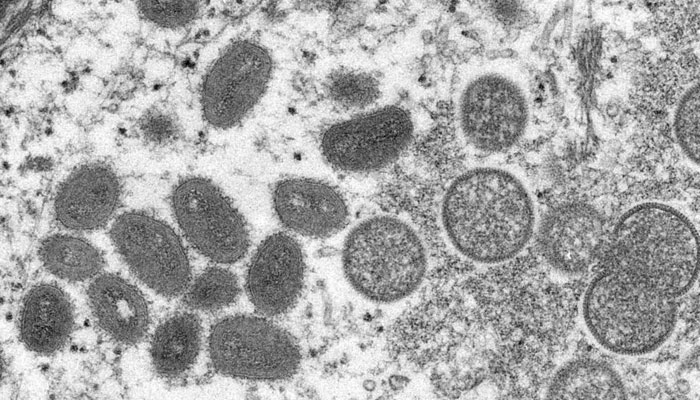
WASHINGTON: US health experts said Friday that cases of monkeypox that are being detected at the moment do not necessarily display the usual symptoms, making the disease more difficult to diagnose.
The Centers for Disease Control and Prevention (CDC) stressed that identifying cases was crucial to curbing the spread of the disease.
"We have seen presentations of monkeypox that are mild and sometimes only limited areas of the body, which differs from the classic presentation seen in endemic countries in Western Central Africa," said Rochelle Walensky, head of the CDC.
"This has prompted concern that some cases may go unrecognized or undiagnosed," she added, urging increased vigilance among members of the medical profession and the public in general.
Current cases do not always present flu-like symptoms, such as fever, body aches and swollen glands that typically precede the appearance of the rash characteristic of the disease.
Additionally, while these rashes typically appear all over the body, many current cases are limited to certain areas.
"It´s important to be aware that monkeypox cases may present similar to some sexually transmitted infections," such as herpes, "and could be mistaken for other diagnoses," Walensky said.
The United States has now recorded 45 cases, she added, twice as many as last week. No deaths have been reported.
As of June 9, around 1,300 cases had been identified worldwide, she said.
Transmission requires close and prolonged contact between two people. The United States is counting in particular on the vaccination of contact cases to stem the epidemic.
The country has 100 million doses of the vaccine ACAM2000, but is in the process of getting doses of another more modern vaccine, Jynneos, she said.
At the end of May, the United States had only 1,000 doses of the newer drug, compared to 72,000 today, said Dawn O´Connell of the Department of Health on Friday.
Another 300,000 doses are expected to arrive in the coming weeks, she added.


-
 Eli Lilly expands $2.75B AI-enabled drug discovery deal with Insilico Medicine
 -
 London sewage detects polio weeks after funding drop
 -
 COVID-19 ‘Cicada’ variant: Here’s everything to know
 -
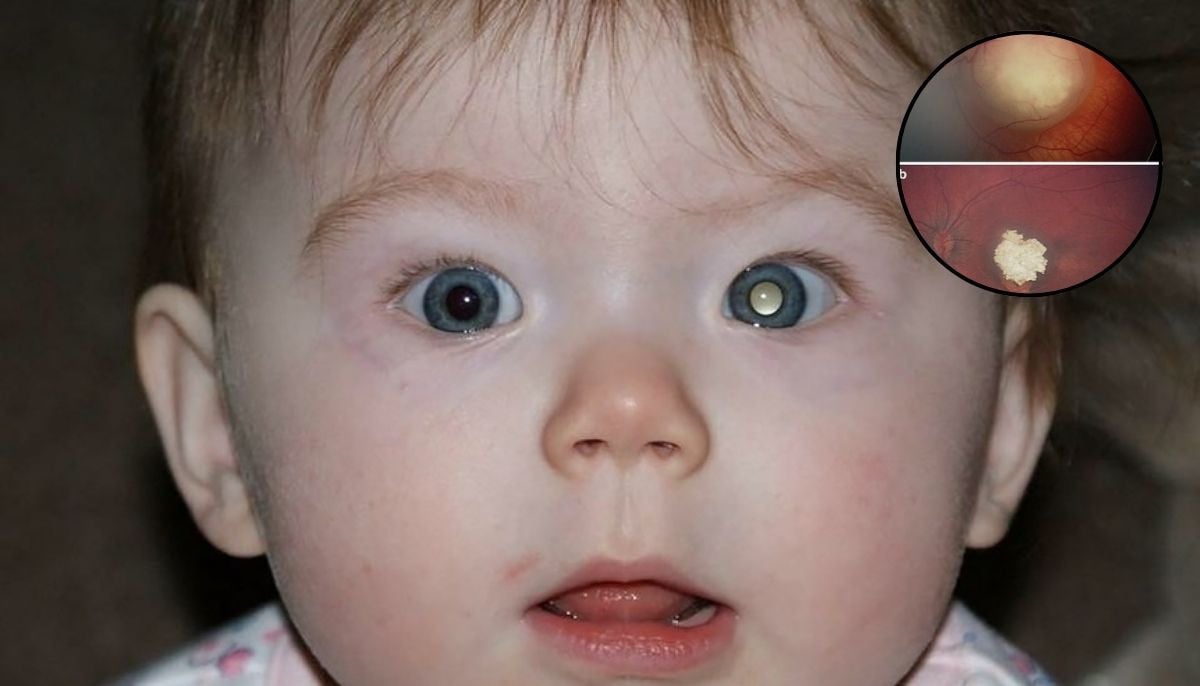 Eye drops made from pig body fluid could revolutionize cancer treatment, new study says
 -
 Paul Conyngham uses ChatGPT, AlphaFold to develop a life-saving cancer vaccine for his dog
 -
 'Cicada' COVID variant detected in multiple countries as experts study mutation risks
 -
 Metformin’s hidden brain pathway uncovered after 60 years
 -
 New study shows how an extra 11 minutes of sleep each night reduces heart attack risk
-
 Insulin pills near reality, promising injection-free diabetes care
 -
A smarter approach to eating: Why isn't calorie counting enough?
-
Cutting sweet cravings doesn't reduce cravings or improve health: Scientists debunk myth
-
Argentina exits World Health Organization following US lead: What it means for public health and diplomacy?