Cryptocurrency giant Binance granted licence in Bahrain
Bahrain hopes to become a regional hub for crypto asset companies, as does Dubai

DUBAI: Cryptocurrency exchange platform Binance, one of the world's largest, said Tuesday it had been granted an operating licence in Bahrain, its first in the Gulf.
The company, which was founded in China but has since been banned there, said it would provide crypto asset trading and portfolio management services under the supervision of the Central Bank of Bahrain.
Binance founder and CEO Changpeng Zhao praised the "stringent criteria of the Central Bank of Bahrain" in terms of anti-money laundering, at a time when most regulators around the world are wary of cryptocurrencies.
Bahrain hopes to become a regional hub for crypto asset companies, as does Dubai.
The Emirate this month also announced the adoption of a virtual assets law and the creation of a crypto asset regulatory authority.
Another major cryptocurrency exchange platform, FTX, also announced on Tuesday the launch of its operations and the opening of a regional headquarters in Dubai.


-
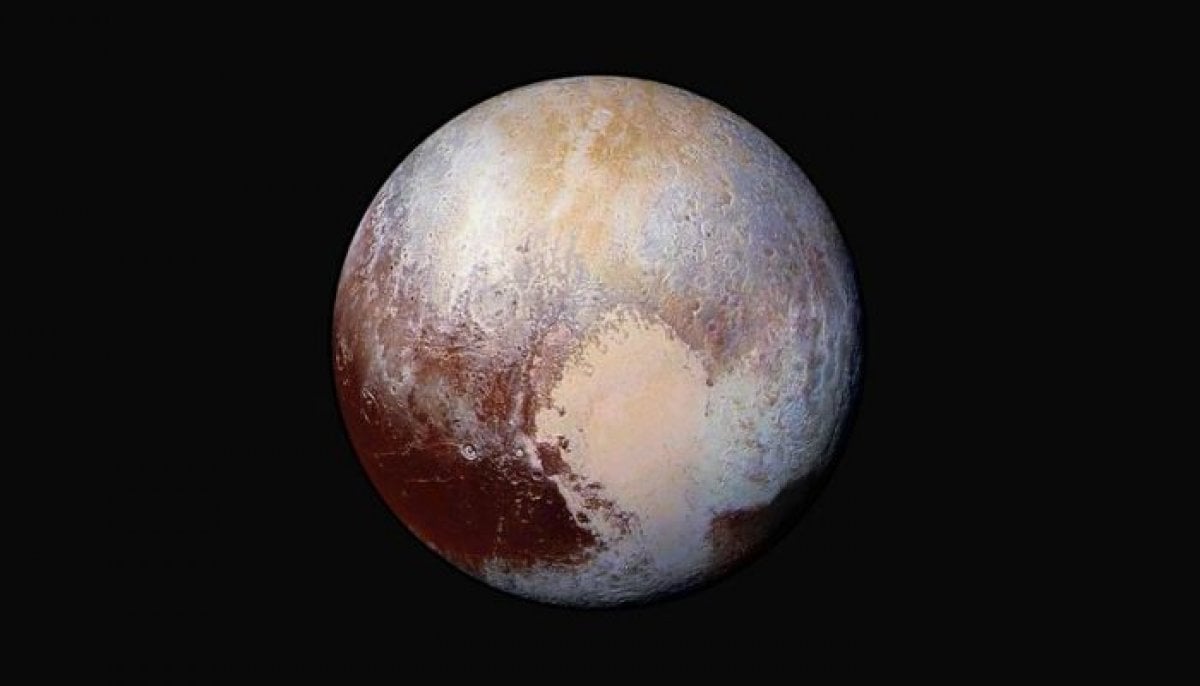 Should Pluto be a planet again? Astronomers revisit its demotion
 -
 China abruptly postpones Chang’e-7 moon mission to search for water–Here’s why
 -
 Rare lunar eclipse lights up skies across the Americas: Where will it be visible?
 -
 US researchers achieve major breakthrough in quantum data transmission through open air
 -
 NASA’s Artemis missions face new risk: Earth microbes could survive on moon
 -
 Europe’s wildfires are unearthing deadly remnants of WWI, WWII
 -
 Dark matter theory challenged: New study rethinks ‘dark photons’
 -
 New neuroscents claim to clam anxiety and make new memories