
NASA says Mars rover scooped up Martian rock sample
The rover's first effort earlier this month failed after the rock was too crumbly to withstand the robot's drill
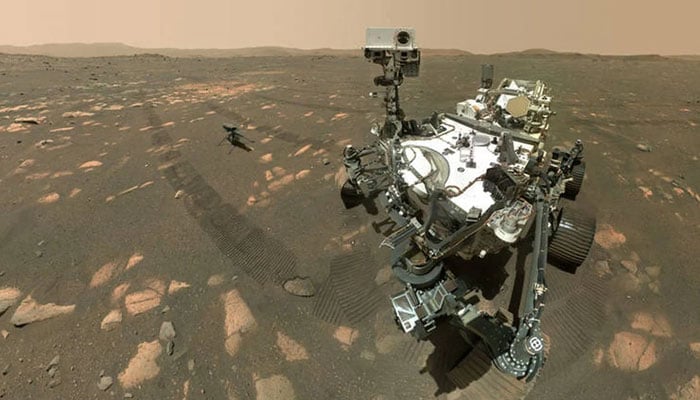
WASHINGTON: NASA's Perseverance rover succeeded in its second attempt to scoop up a piece of Martian rock for future analysis by scientists on Earth -- probably.
Its first effort earlier this month failed after the rock was too crumbly to withstand the robot's drill, but data received late on September 1 indicates the process worked this time around.
The US space agency said Thursday it remains a little uncertain, because images taken after the rover's arm completed sample acquisition were inconclusive due to poor sunlight conditions.
More images taken under better lighting are expected back by Saturday.
"The team determined a location, and selected and cored a viable and scientifically valuable rock," Jennifer Trosper, project manager at NASA's Jet Propulsion Laboratory in Pasadena, said in a statement.
"We will work through this small hiccup with the lighting conditions in the images and remain encouraged that there is sample in this tube."
The target was a briefcase-sized rock nicknamed "Rochette" from a ridgeline that is half a mile (900 meters) long.
Perseverance, NASA's latest Mars rover, landed on the planet's Jezero crater -- the site on an ancient lake -- in February on a mission to search for signs of ancient microbial life.
Its turret-mounted scientific instruments are able to determine chemical and mineral composition and look for organic matter, as well as better characterize the planet's geological processes.
It uses a drill and a hollow coring bit at the end of its 7-foot-long (2-meter-long) robotic arm to extract samples slightly thicker than a pencil, which it stores under its belly.
NASA plans a mission to bring around 30 samples back to Earth in the 2030s, where scientists will be able to conduct more detailed analysis that might confirm there was microbial life.



-
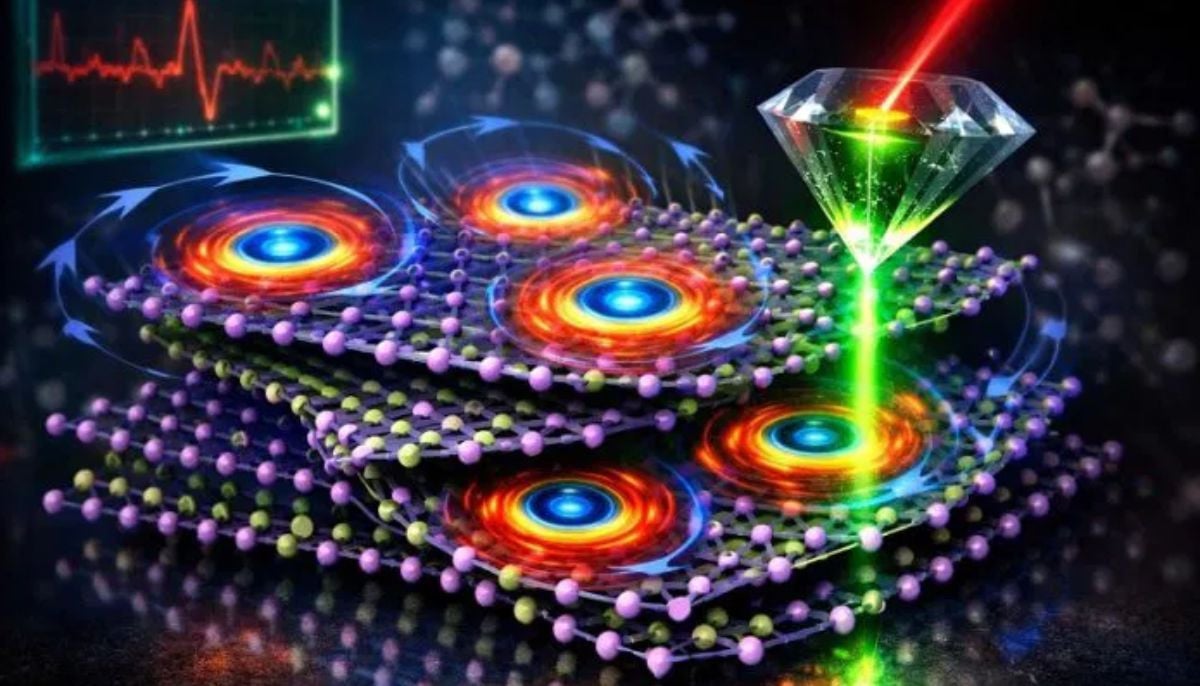 Scientists discover rare form of 'magnets' that might surprise you
 -
 Humans may have 33 senses, not 5: New study challenges long-held science
 -
 Northern Lights: Calm conditions persist amid low space weather activity
 -
 SpaceX pivots from Mars plans to prioritize 2027 Moon landing
 -
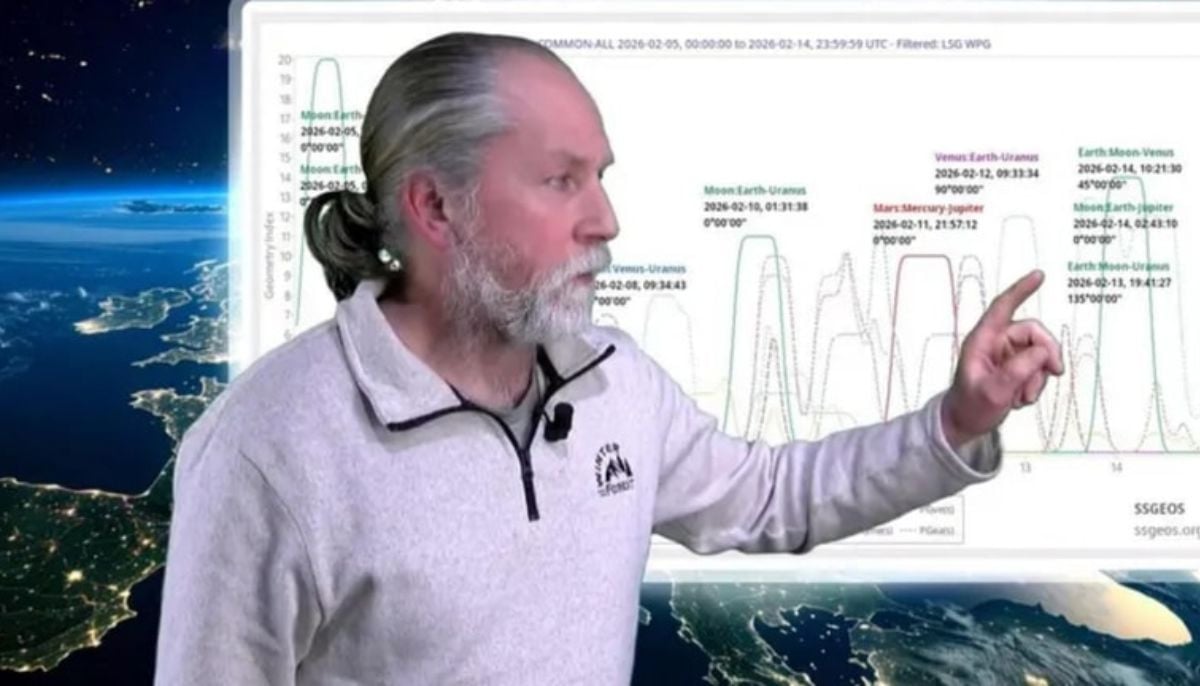 Dutch seismologist hints at 'surprise’ quake in coming days
 -
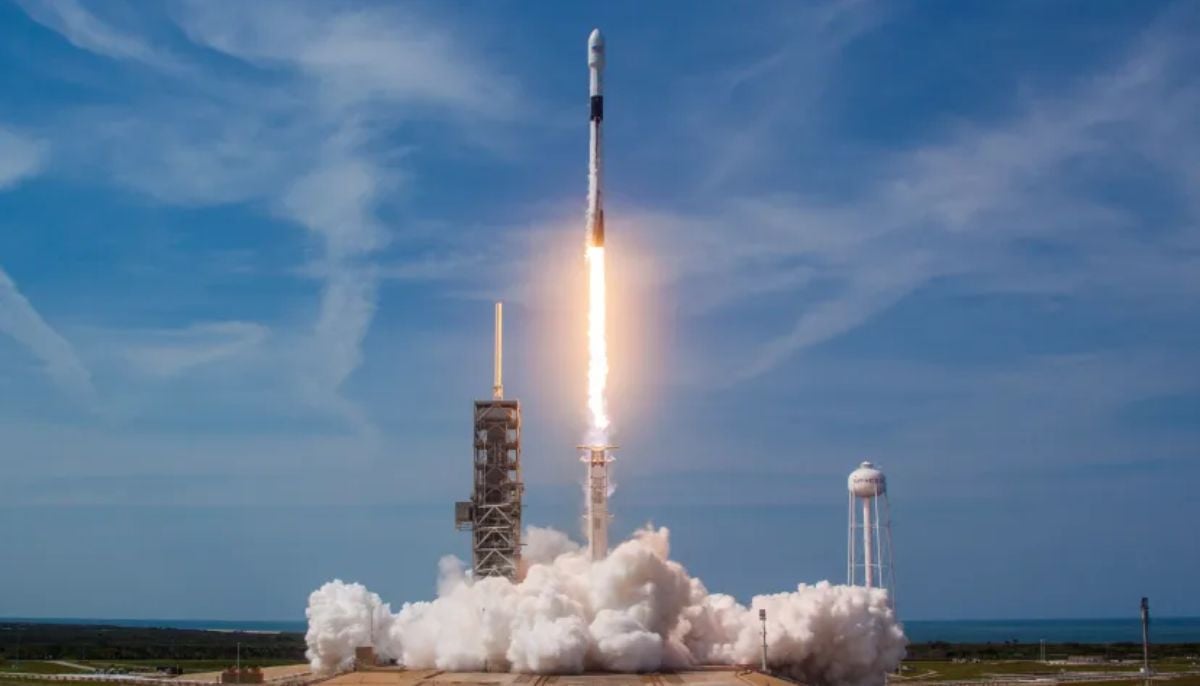 SpaceX cleared for NASA Crew-12 launch after Falcon 9 review
 -
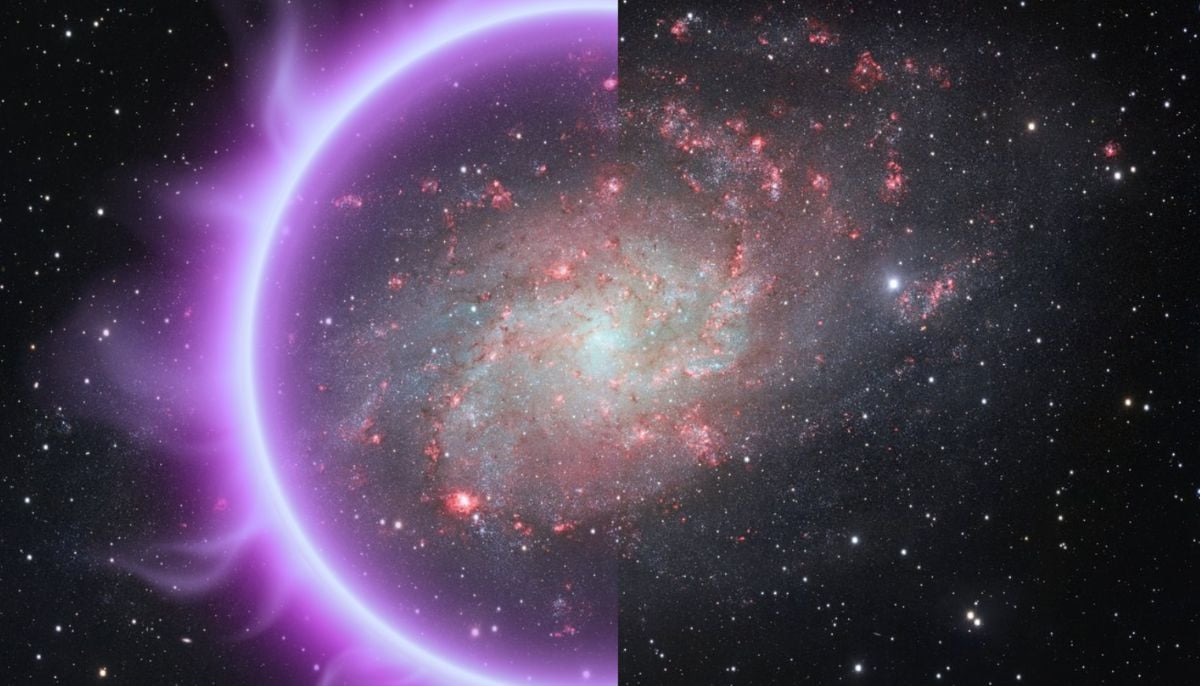 Is dark matter real? New theory proposes it could be gravity behaving strangely
 -
 Shanghai Fusion ‘Artificial Sun’ achieves groundbreaking results with plasma control record