‘Smiling electrons’ discovered in Earth’s magnetosphere in rare space breakthrough
Rare space discovery will give futuristic insights into magnetic reconnection event
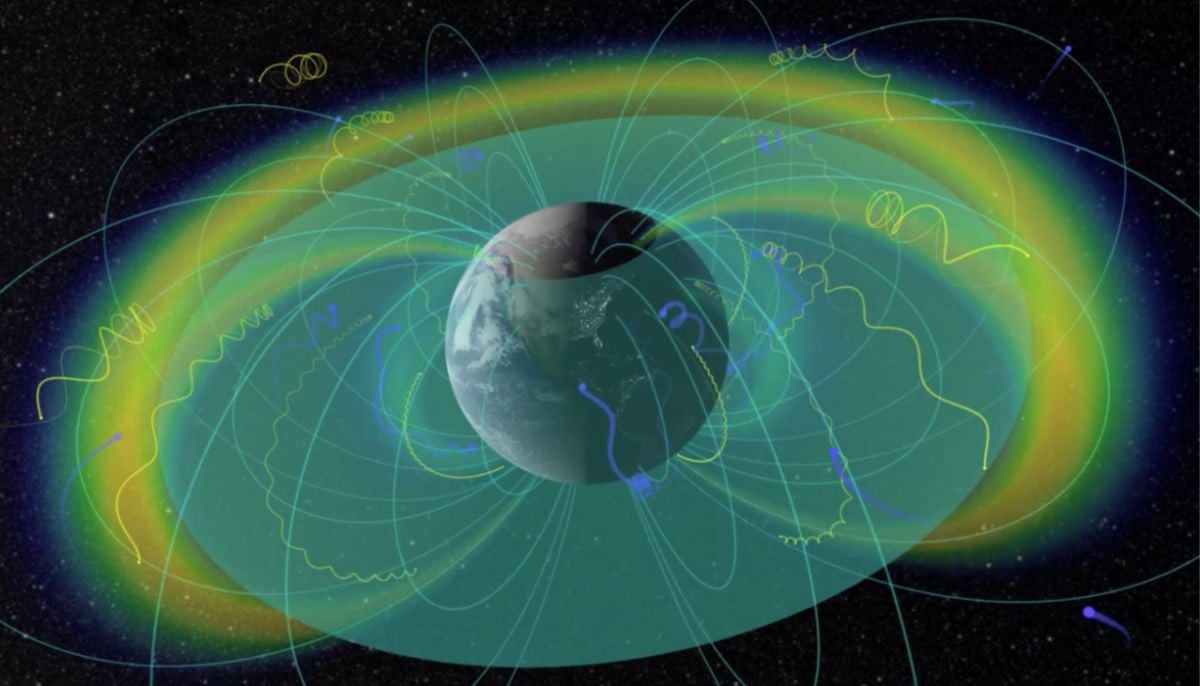
Scientists in a rare discovery have found “smiling electrons” inside Earth’s protective magnetic field.
According to a new research study led by Jason Shuster, a UNH research assistant professor of physics, unique and smile-shaped distribution occurs within the electron diffusion region, a specific area where the Earth’s magnetic field meets the solar wind.
This region was previously considered a “black box.”
According to findings published in Nature: Communication Physics, the smile-shaped structure serves as a “map”, helping scientists understand the mechanics of energy transfer in space.
Having been called “the first-of-its-kind”, the space discovery will give futuristic insights into magnetic reconnection events, responsible for disrupting space weather.
“We want to know what those electrons in the magnetosphere are doing to build back a picture of what’s happening within magnetic reconnection sites and the explosive energy transfers that occur there,” Shuster said.
According to the researcher, if successful in understanding magnetic reconnection with the help of a map, scientists can easily predict space weather events that impact satellites, communication systems, GPS and other technological infrastructure.
Broader scientific applications
The “smile” found at Earth’s magnetic boundary is a template that can be applied to plasma environments across the universe, including
- Solar winds and the magnetosphere of other planets
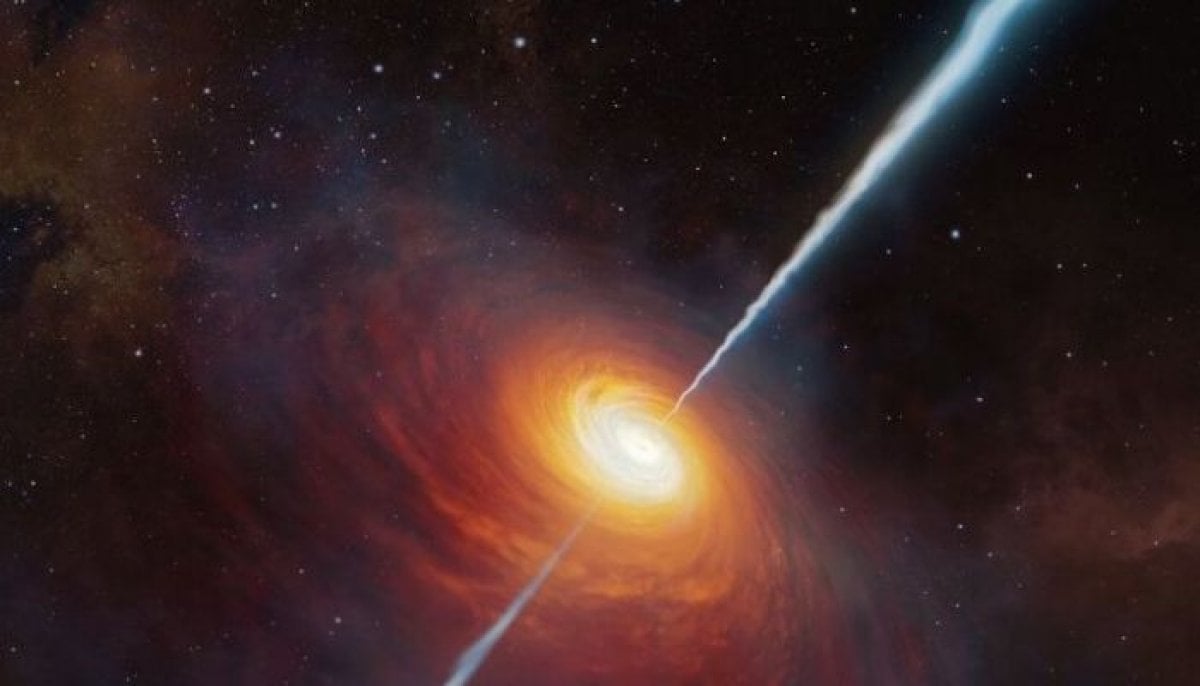
- Black holes
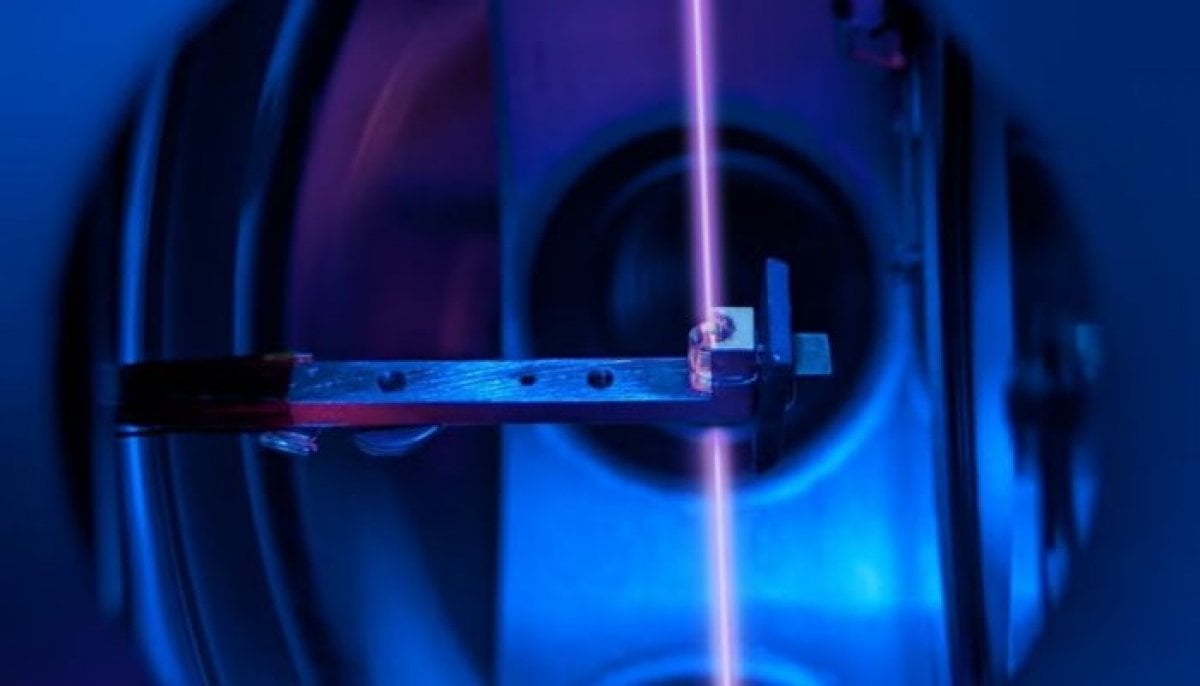
- Magnetic confinement fusion devices where scientists try to confine hot plasma to create clean energy.


-
 NASA to brief public on Artemis III mission progress
 -
 ‘Time capsule beneath the sea’: World’s oldest shipwreck holds secrets from Great Pyramid era
 -
 NASA spots mysterious V-shaped scar stretching 700 light-years across space
 -
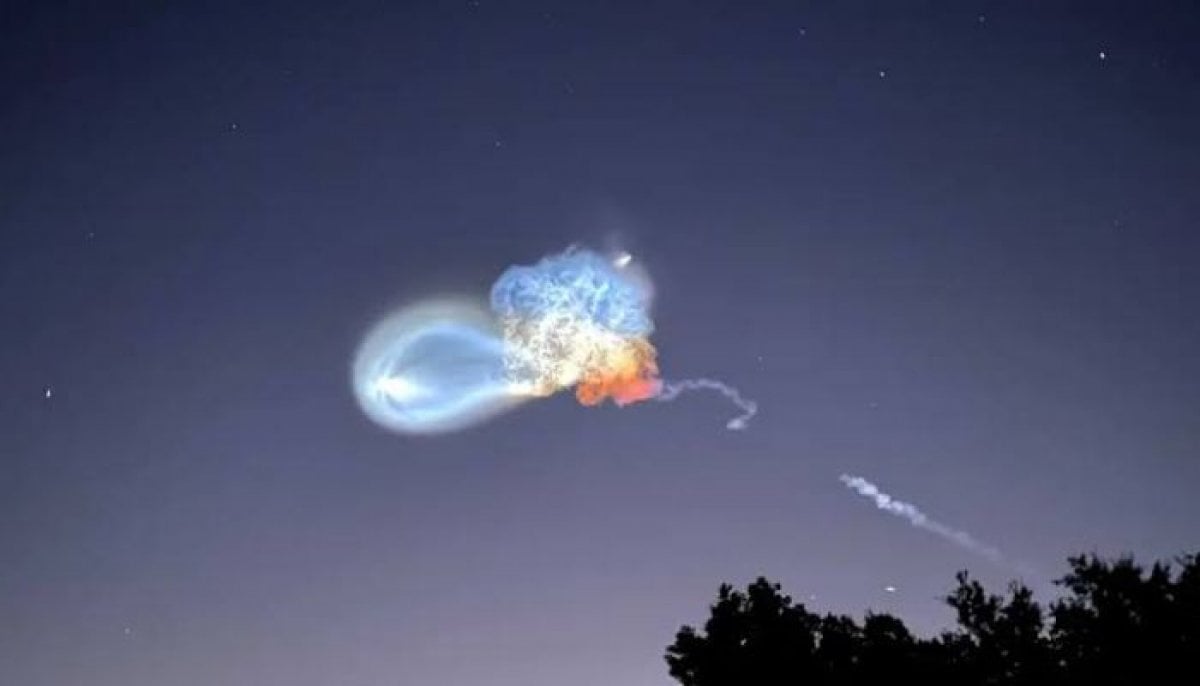 Space Jellyfish over Florida: What is that glowing cloud?
 -
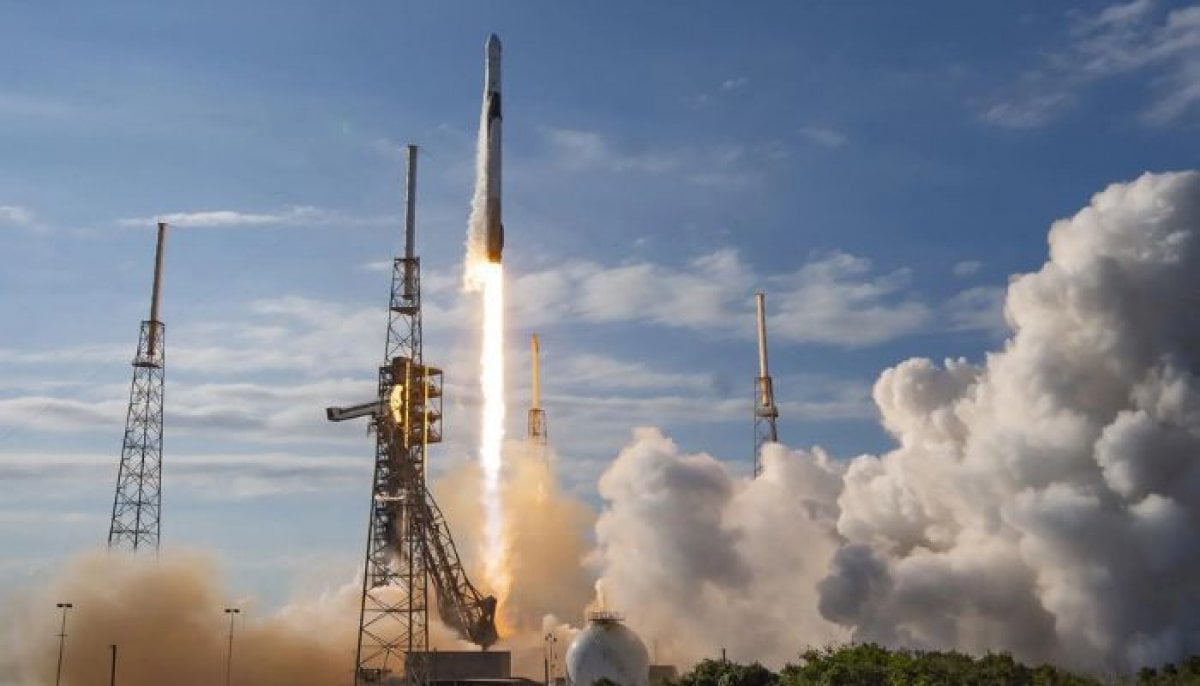 SpaceX Falcon 9 launches Dragon with 6,300 pounds of supplies to ISS
 -
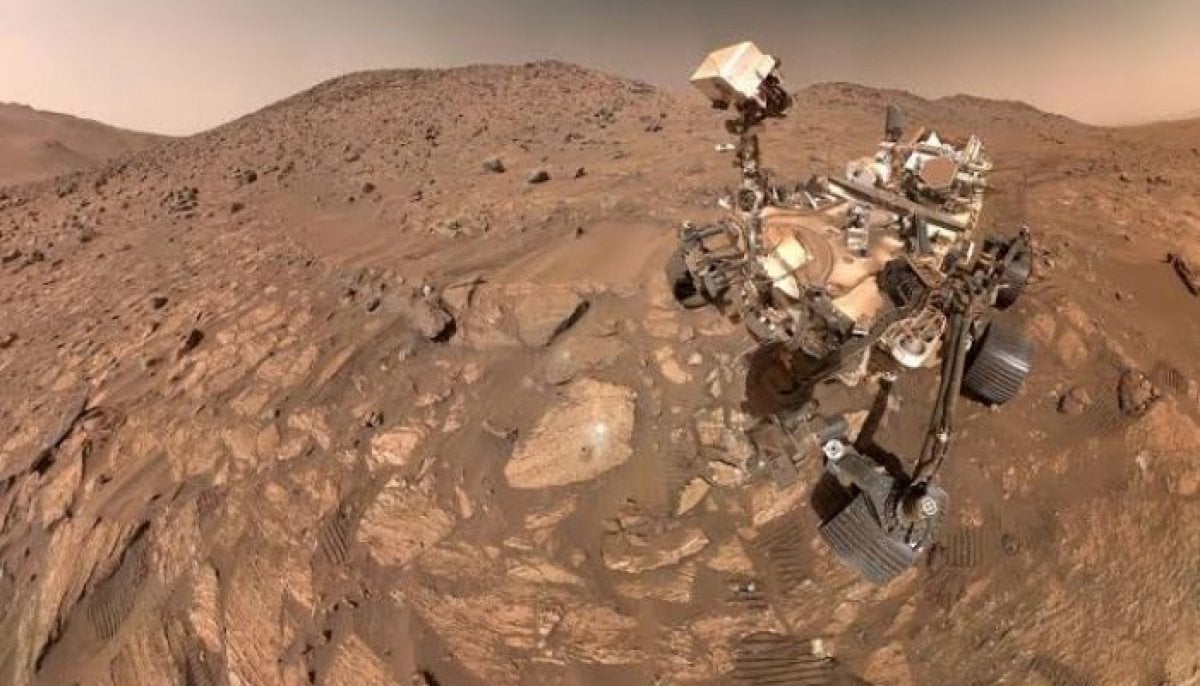 How far can a rover go? NASA’s Perseverance breaks Mars driving record
 -
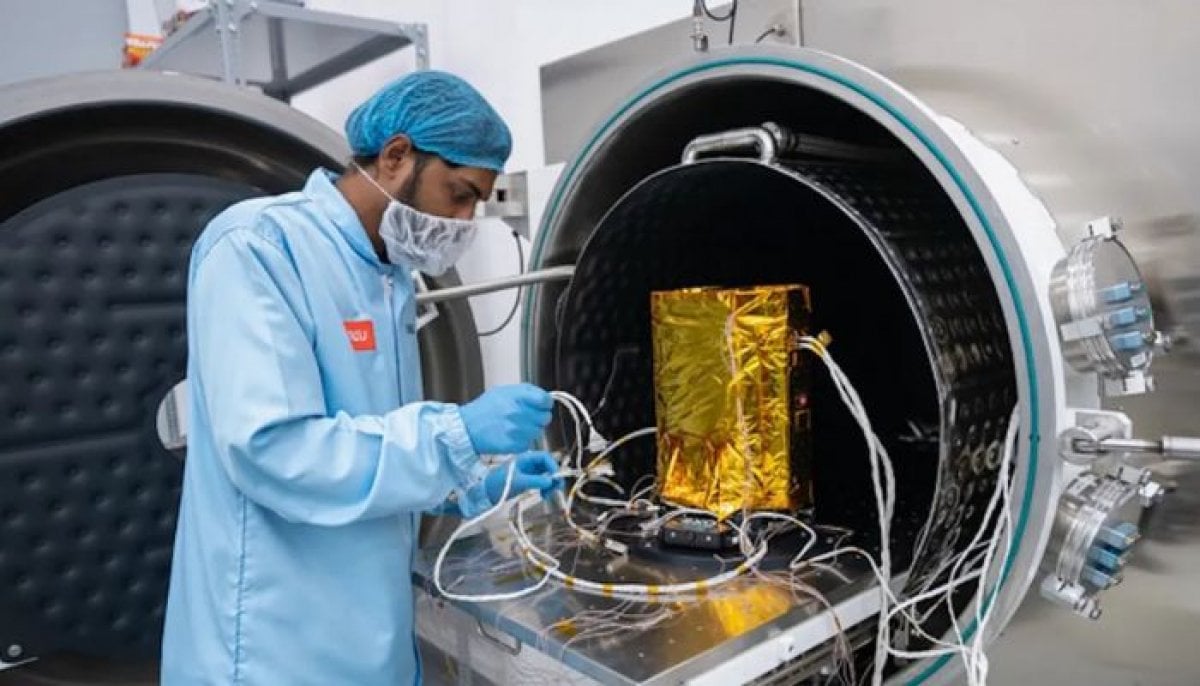 UAE builds asteroid lander designed to crash into its target
 -
 SpaceX Falcon 9 launches 21 military satellites into orbit