Coronavirus in Pakistan: Active case count nears 50,000 mark
With 30 new fatalities in last 24 hours, death toll pushes to 22,811, NCOC data shows
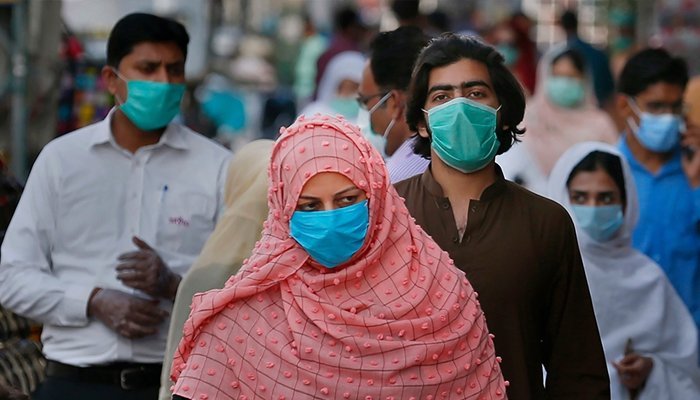
ISLAMABAD: Pakistan's active coronavirus cases are nearing in on the 50,000 mark, with the country reporting an active case count of 48,850 Monday morning.
With 30 new fatalities in the last 24 hours, the total death toll pushed to 22,811, the National Command and Operation Centre's stats showed.
The NCOC recorded a positivity rate of 4.95%, which is a slight drop since the last two days.
Pakistan's nerve centre in the fight against COVID-19 reported 2,452 new infections after 49,503 coronavirus tests were taken in the last 24 hours.
The total number of cases has reached 991,727. During the last 24 hours, most deaths occurred in Sindh followed by Punjab. Out of the 30 deaths in the last 24 hours, 21 people died on ventilators.
According to a province-wise breakdown, the active case count in Sindh is 19,655, in Punjab 17,178, in Khyber Pakhtunkhwa 7,168, in Islamabad Capital Territory 1,916, in Balochistan 1,962, in Gilgit-Baltistan 612 and 1,012 in Azad Jammu and Kashmir.
In the last 24 hours, 903 patients have recovered from the virus, taking the tally for recoveries to 920,066, according to NCOC's stats.


-
 ‘Don’t ignore the threat’: WHO warns of Ebola spread across Africa
 -
 WHO opposes US travel ban on Ebola-affected countries
 -
 How Trump’s ‘forever chemicals’ rollback could impact drinking water across America
 -
 Study reveals watermelon may boost heart health and diet quality
 -
 WHO declares Ebola outbreak emergency in DR Congo
 -
 Plastic surgeons see rise in AI-generated beauty requests
 -
 Vitamin B2 may help cancer cells survive, scientists reveals dark side
 -
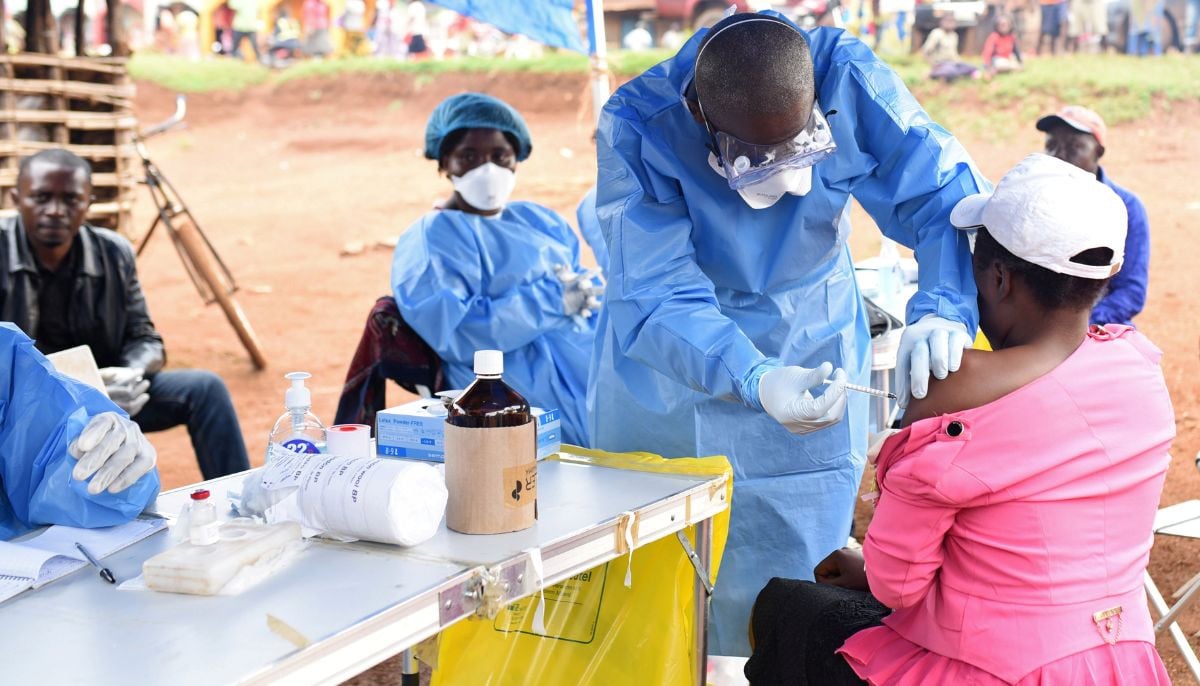 Ebola returns to DR Congo, Africa CDC confirms
-
 Hantavirus outbreak: Could it be new pandemic threat like COVID? Experts weigh in
 -
Meningitis leaves one dead, others critically ill; Know how it spreads
-
PCOS renamed PMOS: What new diagnosis means for millions of women’s health
-
Endometriosis linked to small increase in birth defect risk in Canadian study