´Nearly a third´ of British billionaires moved to tax havens
The Times newspaper published a series of reports detailing allegations of Britain´s ultra-rich hiding billions of pounds from the UK Treasury in taxes over the past decade.
LONDON: Nearly a third of Britain´s billionaires have either moved or are relocating to tax havens, where some have broken UK law by bankrolling political parties, a major investigation said on Thursday.
The Times newspaper published a series of reports detailing allegations of Britain´s ultra-rich hiding billions of pounds from the UK Treasury in taxes over the past decade.
The report came out days after the government drew public fury for delaying a vote on proposed legislation aimed at ending secret company ownership in offshore territories.
"We must stop tax evasion so that the wealthiest pay their fair share," Margaret Hodge, a leading lawmaker from the main opposition Labour Party who co-sponsored the tax haven measure, tweeted in response to The Times reports.
"Public registers and more transparency are the next big step for fairer tax."
Prime Minister Theresa May´s government did not immediately respond to the investigation.
The Times said that 28 out of the 93 British billionaires it found through public records "have moved to tax havens or are in the process of relocating".
It said almost half of the 28 have left in the past decade.
The Times said those in the process of moving included Jim Ratcliffe, Britain´s richest man and a major Brexit supporter. His chemicals firm is valued at £35 billion ($46 billion).
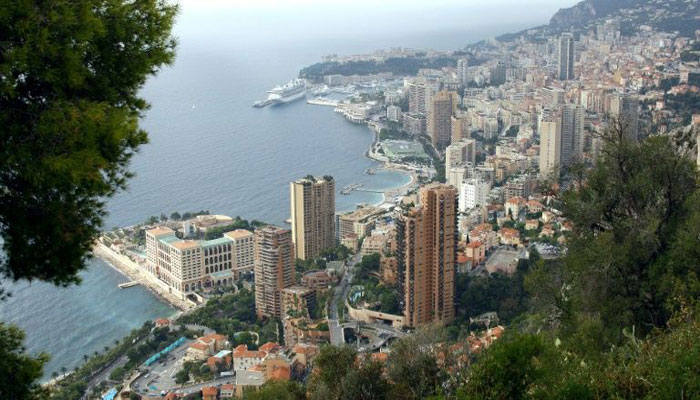
The Sunday Times reported last month that Ratcliffe´s move to Monaco, where it said 10 British billionaires and 408 UK business owners live, could cost the Treasury up to £4 billion.
Asked about his rumoured move last October, Ratcliffe told Britain´s Press Association news agency that he was staying in Britain.
The Times said big business owners were trying to avoid paying Britain´s relatively high 38.1 percent income tax on dividends -- the cash payments made by corporations to their shareholders.
It is effectively a profit tax, since business owners hold a large portion of their company´s shares.
Companies registered in offshore tax shelters such as the Channel Islands or countries like Switzerland and the United Arab Emirates pay little to no tax.
The Times said the exodus was spurred by a hike in income tax rates for top earners to 50 percent in 2010, which was reduced to 45 percent in 2013.
New rules from 2013 making a switch in tax residency easier also contributed, The Times said.
But some of its most damning allegations concerned political contributions.
The Times said successive UK governments have failed to properly enact a 2009 law banning large donations from anyone residing abroad for tax purposes.
It said tax-evading business owners and their companies have made political contributions worth £5.5 million over the past decade.
Prime Minister Theresa May´s Conservatives accepted £1 million from these entities in the months leading up to the 2017 snap general election, The Times said.
It added that several of these billionaires have also received honorary titles such as baron, knight and dame.


-
 GSK eyes over 1,200 Belgian job cuts in cost-saving drive
 -
 Netflix slashes 1,000 jobs: What’s behind the cuts?
 -
 Anthropic to reveal new revenue figures as AI financial race heats up
 -
 HSBC to phase out fixed-pay allowances by 2028 in major compensation overhaul
 -
 TotalEnergies expands US renewable venture with KKR in $1.2B solar portfolio deal
 -
 Australian telecom shares tumble as SpaceX moves closer to direct-to-cell market
 -
 World Bank in crisis aid talks with dozens of nations amid global shocks
 -
 Deutsche Bank chief explains why German election results alarm foreign investors