
Facebook accused of inaction over Russian ads in Brexit vote
A senior British MP on Wednesday accused Facebook of failing to seriously investigate possible Russian influence in the Brexit vote, after it found just three adverts linked to a known propaganda group.
LONDON: A senior British MP on Wednesday accused Facebook of failing to seriously investigate possible Russian influence in the Brexit vote, after it found just three adverts linked to a known propaganda group.
Damian Collins, chairman of parliament´s culture and media committee, repeated his request for information as part of an investigation into the impact of "fake news" in last year´s referendum vote to leave the European Union.
The committee and Britain´s elections watchdog, the Electoral Commission, have both asked Facebook and Twitter for details of Russian-backed adverts on their platforms during the referendum campaign.
It comes after evidence of activity by one Russian resource for spreading propaganda, the Internet Research Agency, during last year´s US presidential election.
In a letter to the Electoral Commission, Facebook said the agency had paid for only three ads to British audiences during the Brexit campaign, worth just $0.97.
"This amount resulted in three advertisements (each of which were also targeted to US audiences and concerned immigration, not the EU referendum) delivering approximately 200 impressions to UK viewers over four days in May 2016," Facebook said.
The social media giant said it took the request "very seriously" and backed the commission´s investigation.
But Collins said Facebook had limited its inquiries, saying: "It would appear that no work has been done by Facebook to look for other fake accounts and pages that could be linked to Russian backed agencies and which were active during the EU referendum, as I requested."





-
 ‘Smiling electrons’ discovered in Earth’s magnetosphere in rare space breakthrough
 -
 Archaeologists unearthed possible fragments of Hannibal’s war elephant in Spain
 -
 NASA's Hubble Space Telescope discovers ‘Dracula Disk', 40 times bigger than solar system
 -
 Annular solar eclipse 2026: Where and how to watch ‘ring of fire’
 -
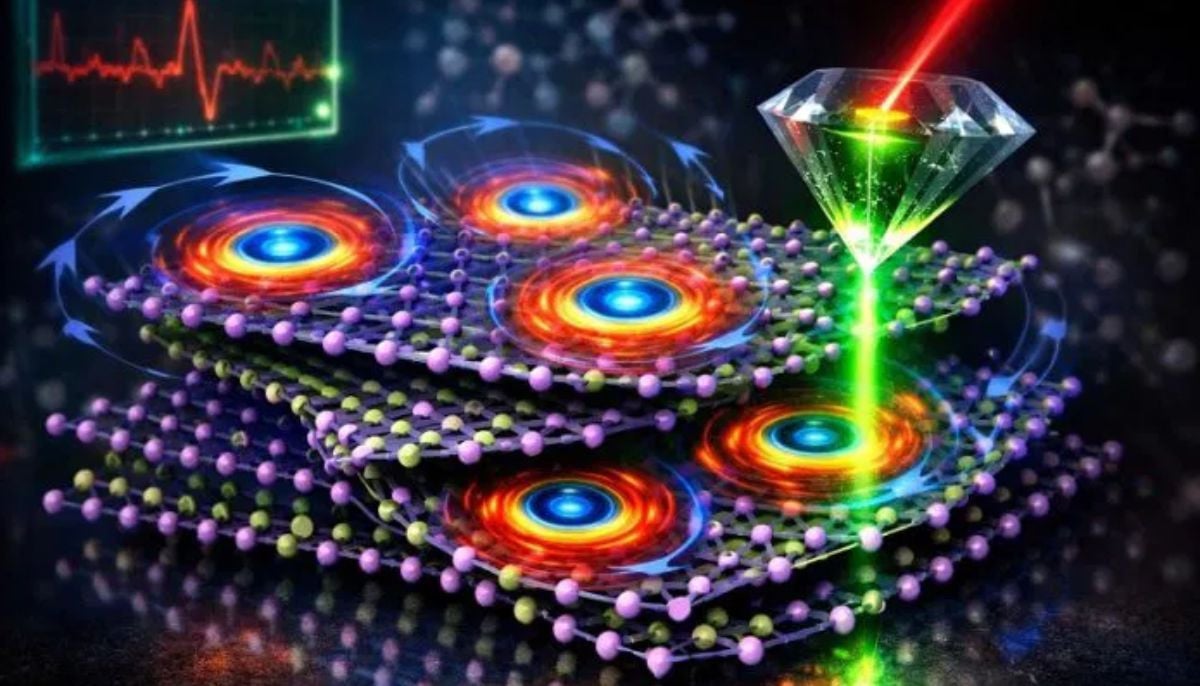 Scientists discover rare form of 'magnets' that might surprise you
 -
 Humans may have 33 senses, not 5: New study challenges long-held science
 -
 Northern Lights: Calm conditions persist amid low space weather activity
 -
 SpaceX pivots from Mars plans to prioritize 2027 Moon landing