Saudi Arabia arrests 13 Pakistanis
RIYADH: Saudi security forces have arrested 13 Pakistanis and three Saudis suspected of having links to militants who blew themselves up during a weekend firefight with police, authorities said on Tuesday.
The interior ministry also identified the two militants who detonated explosive belts during Saturday´s raid in the Red Sea city of Jeddah as Saudis.
Marzouk Anzi and Khaled al-Sourwani had both taken part in previous militant attacks in the kingdom, and Sourwani had links with the Islamic State group (Daesh), the ministry said.
Authorities also seized arms and materials for making explosives from the building where the men blew themselves up, the official Saudi Press Agency said.
In late October, Saudi authorities said they had arrested eight militants and dismantled several "terrorist" cells linked to IS, including one that had planned to attack a major football match in Jeddah.
Those arrested included two Pakistanis, a Syrian and a Sudanese citizen.
Saudi Arabia is a member of a US-led coalition battling IS in Syria and Iraq. The kingdom has witnessed a series of deadly attacks claimed by IS since late 2014.


-
 Global food inflation set to accelerate into 2027 as supply shocks mount
-
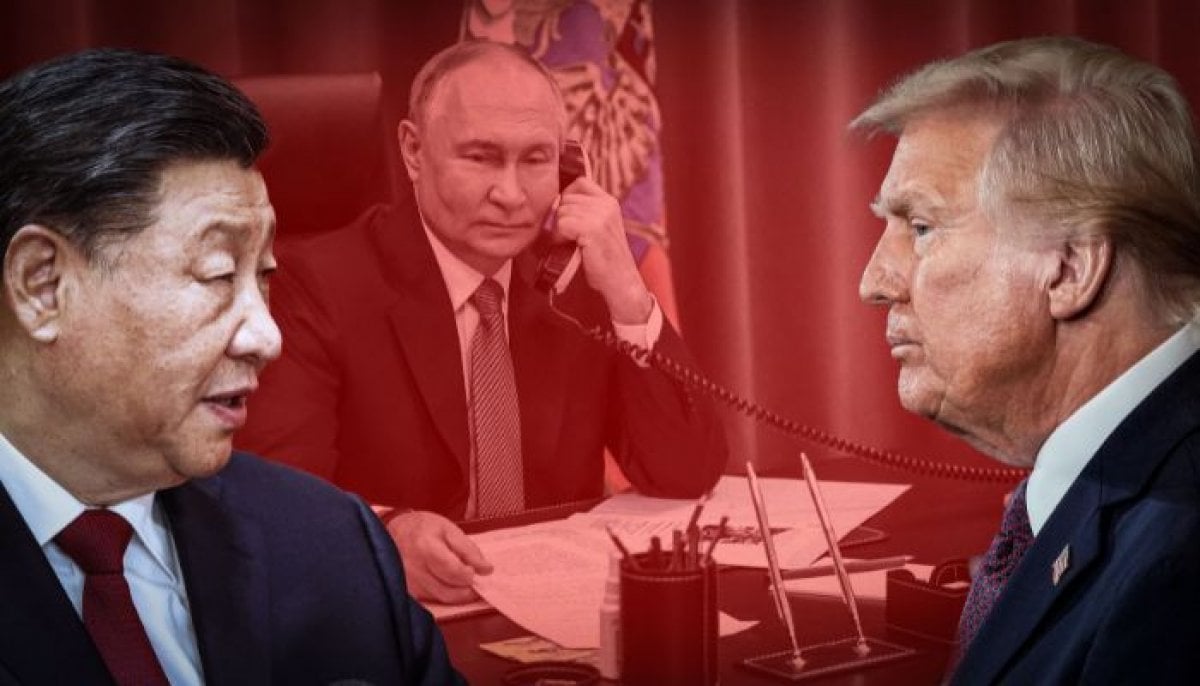 Putin proposes Trump-Xi summit on Ukraine deal, Rubio shares US stance
-
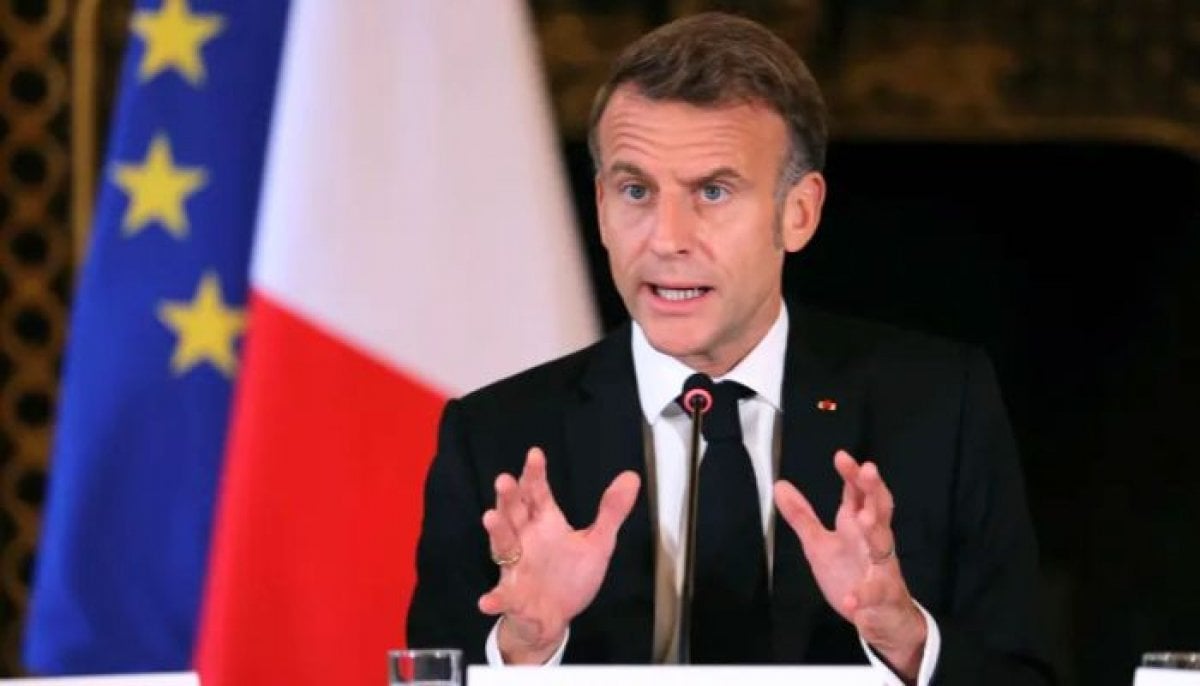 France: Macron rejects interior minister Nunez resignation after nationwide riots
-
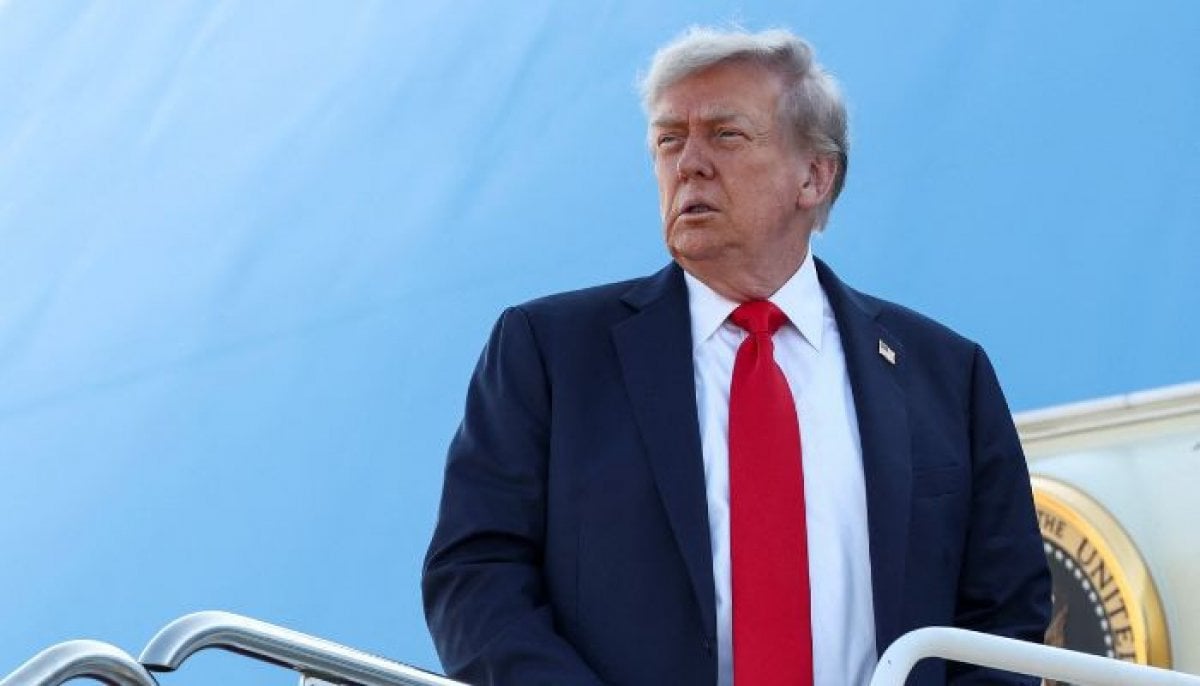 Trump explains why he put Russia sanctions on hold
-
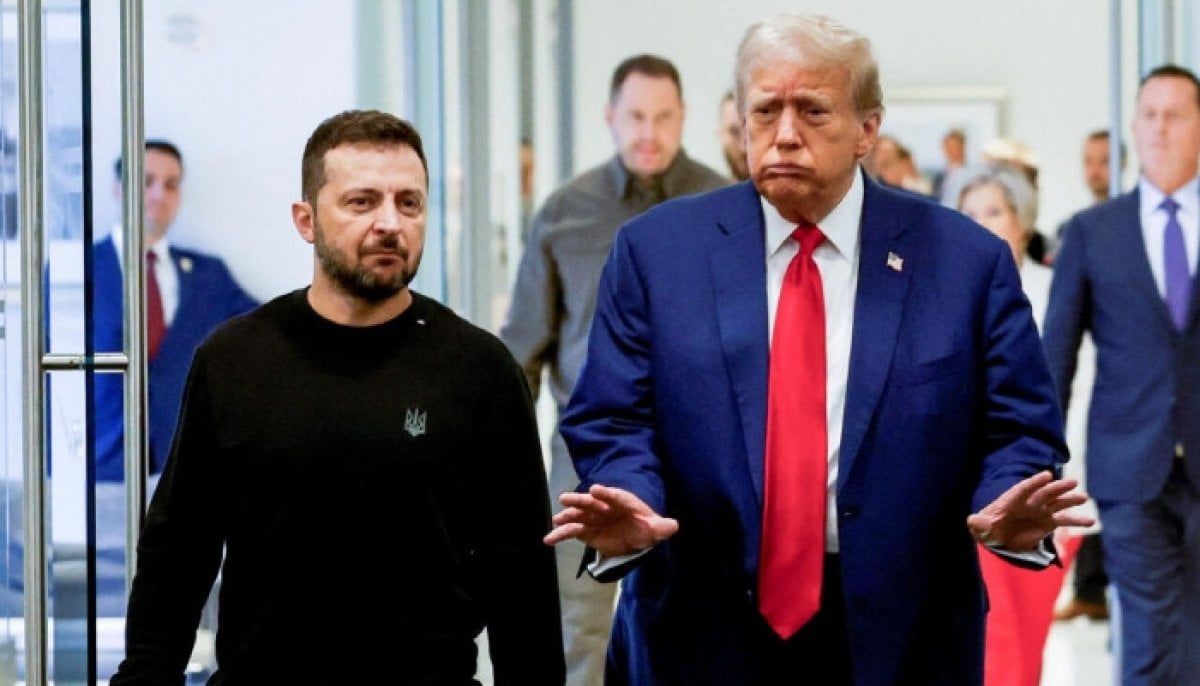 Trump says Zelensky 'doesn't want to end this war' after Ukraine attacks Russia
-
 US indicts California woman accused of spying on Taiwan president's son for China
-
 Chris Nanos mocked for Halloween video as Nancy Guthrie remains missing
-
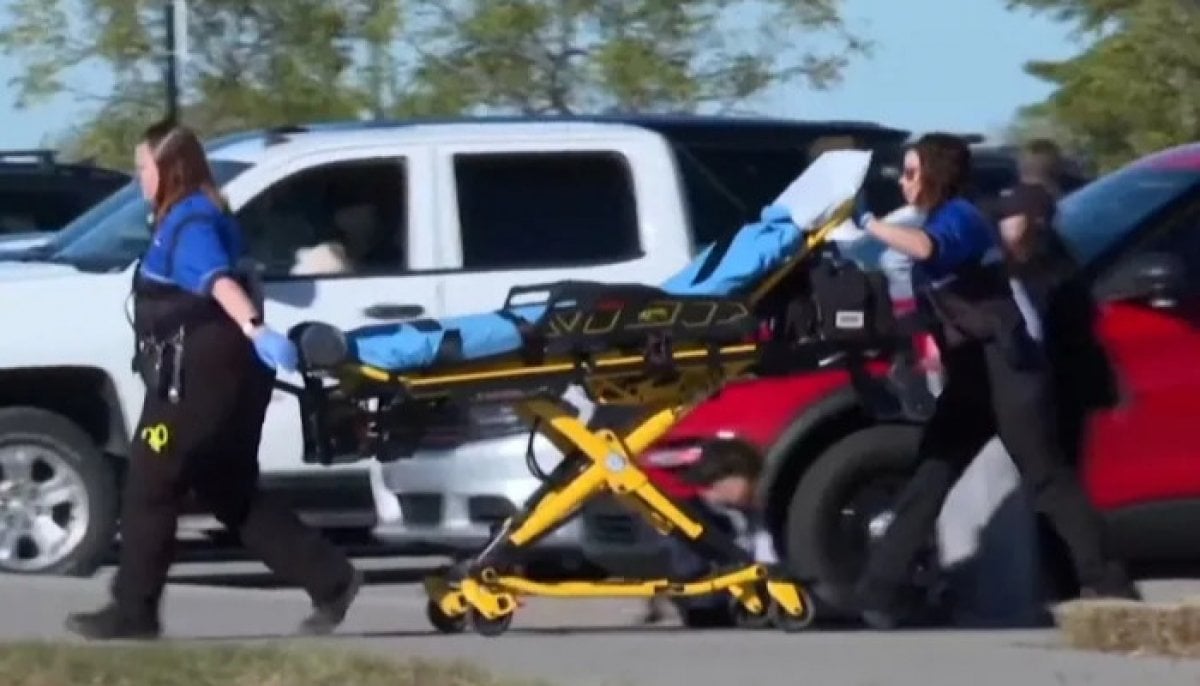 Driver released after deadly Wichita soccer crash leaves two dead and 10 injured
-
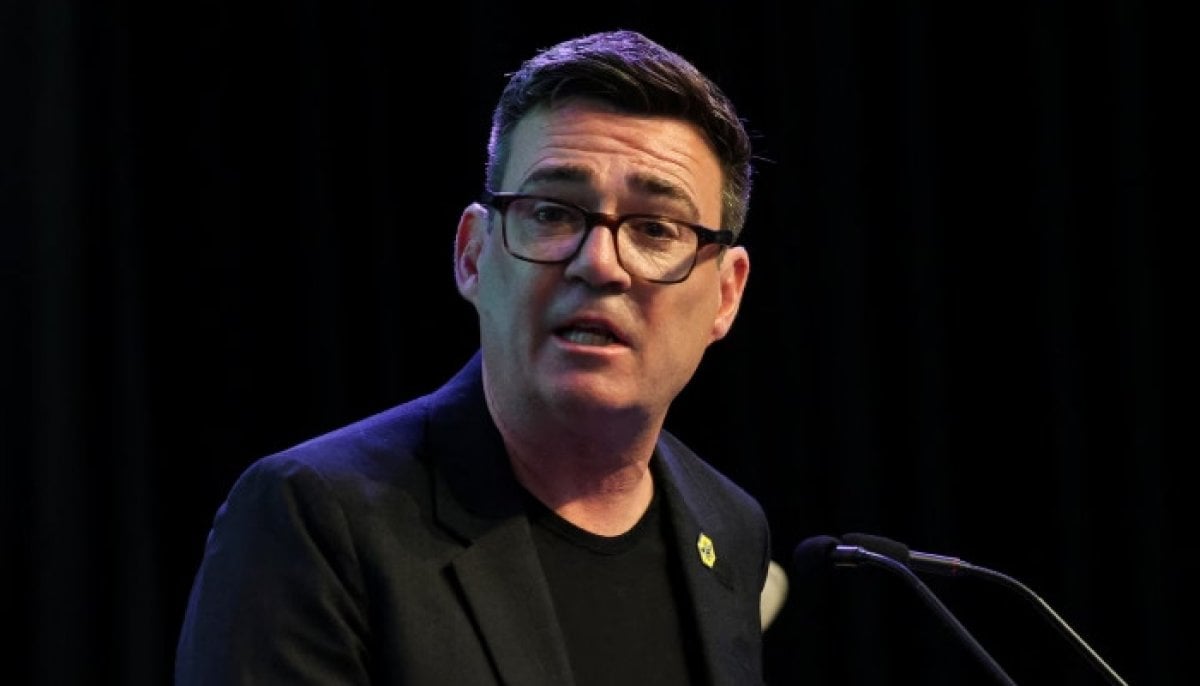
 Andy Burnham targets 'headphone dodgers' with new £100 bus fines
-
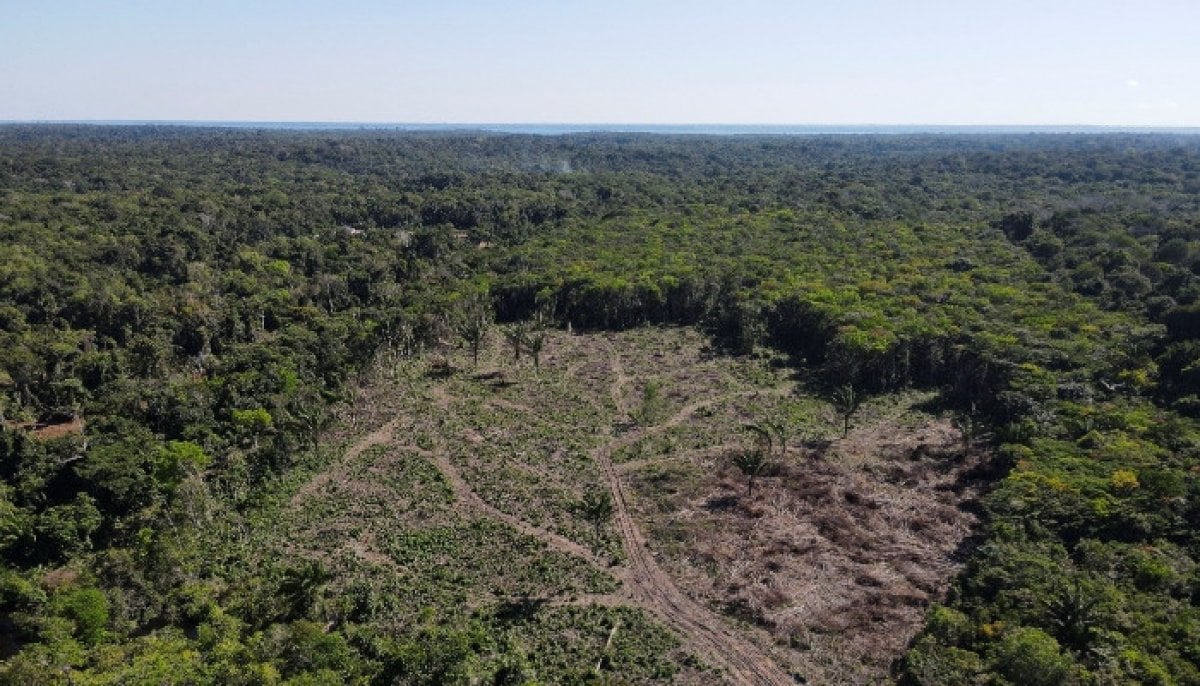
Amazon deforestation drops to lowest level since 1988 as Brazil election looms
-
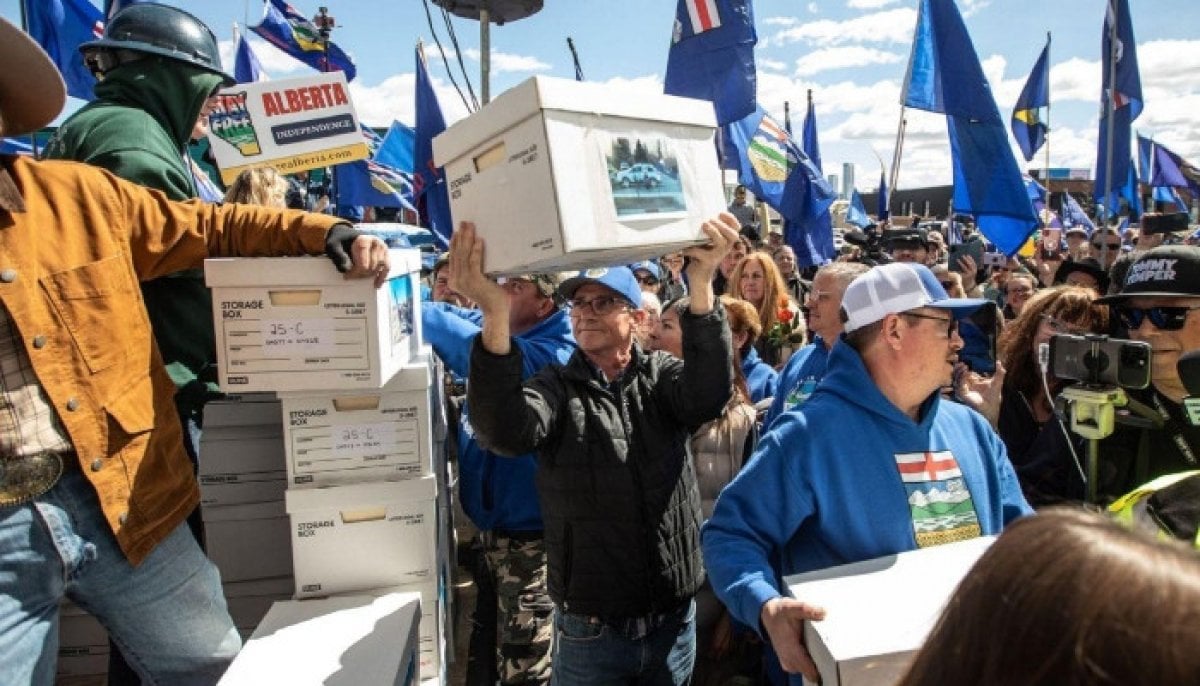
Alberta separation unlikely as new poll reveals strong support for staying in Canada
-
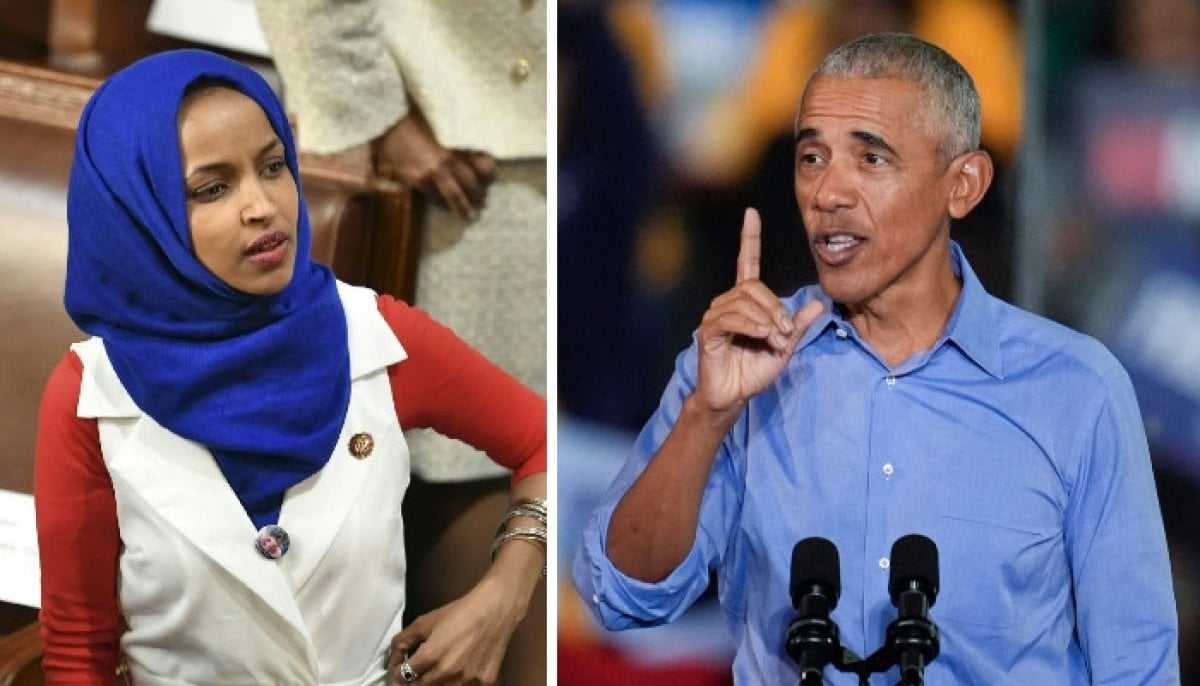
Obama says Ilhan Omar deportation threat could set dangerous precedent for Americans