MIAMI: Scientists who study earthquakes in Japan said Thursday they have detected a rare deep-Earth tremor for the first time and traced its location to a distant and powerful storm.
The findings, published in the US journal Science, could help experts learn more about the Earth´s inner structure and improve detection of earthquakes and oceanic storms.
The storm in the North Atlantic was known as a "weather bomb," a small but potent storm that gains punch as pressure quickly mounts.
Groups of waves sloshed and pounded the ocean floor during the storm, which struck between Greenland and Iceland.
Using seismic equipment on land and on the seafloor that usually detects the Earth´s crust crumbling during
earthquakes, researchers found something they had not detected before -- a tremor known as an S wave microseism.
Microseisms are very faint tremors.
Another kind of tremor, known as P waves, or primary wave microseisms, can be detected during major hurricanes.
P waves are fast-moving, and animals can often sense them just before an earthquake hits.
The elusive S waves, or secondary waves, are slower, and move only through rock, not liquid. Humans feel them during earthquakes.
Using more than 200 stations operated by the National Research Institute for Earth Science and Disaster Prevention in Japan´s Chugoku district, researchers Kiwamu Nishida and Ryota Takagi "successfully detected not only P wave microseisms triggered by a severe and distant North Atlantic storm, known as a weather bomb, but also S wave microseisms, too," said the study.
"The discovery marks the first time scientists have observed... an S wave microseism."
Microseism S waves are so faint that they occur in the 0.05 to 0.5 Hz frequency range.
The study in the journal Science details how researchers traced the direction and distance to the waves´ origins, and the paths they traveled.
The discovery "gives seismologists a new tool with which to study Earth´s deeper structure," said Peter Gerstoft and Peter Bromirski of the University of California, San Diego in an accompanying Perspective article.
Learning more about microseismic S waves may "add to our understanding of the deeper crust and upper mantle structure."


-
 UK halts Chagos Islands handover plan after US opposition
 -
 Melania Trump’s remarks reignite Epstein questions as survivors speak out
 -
 Cyclone Vaianu: Strong winds and flood threat spark mass evacuations
 -
 Charlie Kirk’s alleged assassin reveals shock ‘opportunity’ in ongoing case
 -
 Eric Swalwell campaign rocked by assault allegations as top Democrats urge him to drop out
 -
 NASA chief Jared Isaacman backs billionaire space ventures as Artemis II lands
 -
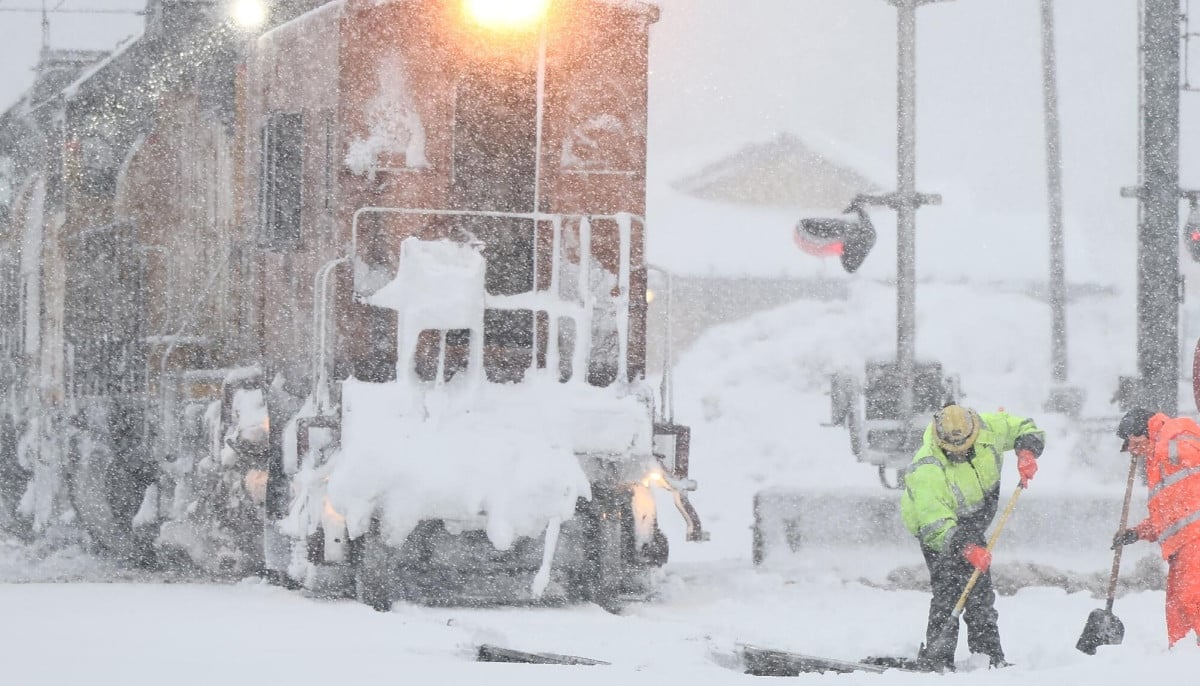 Winter storm warning issued as Sierra Nevada braces for heavy snow and travel disruptions
 -
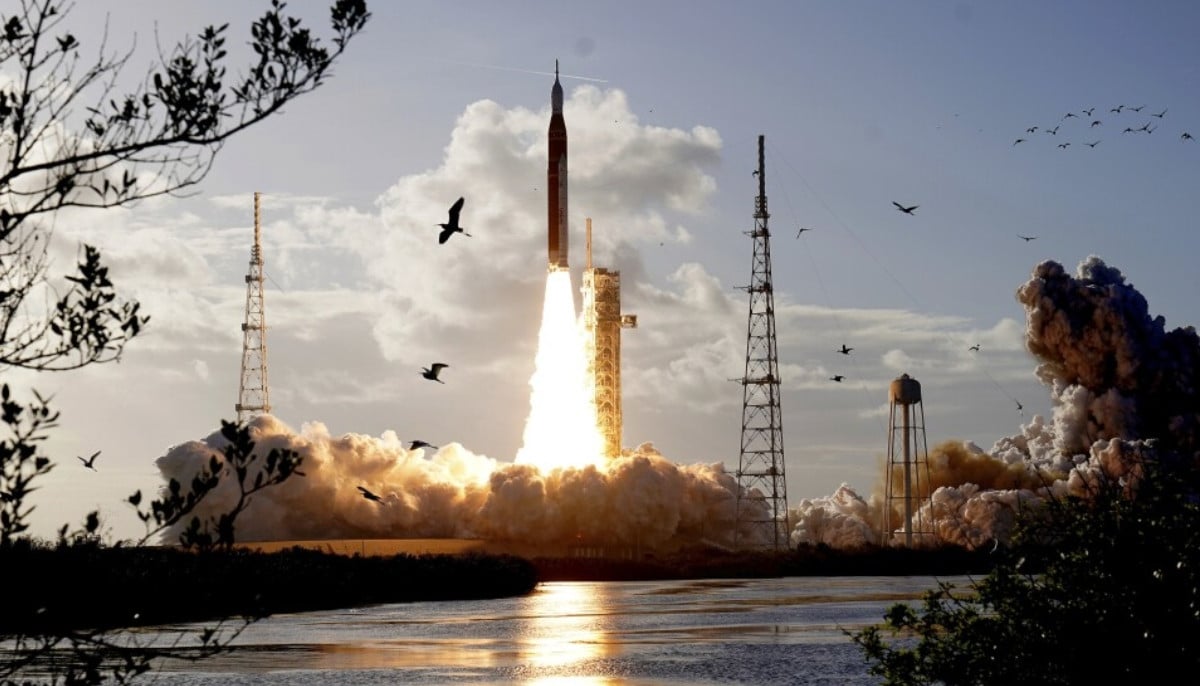 Artemis II launch photo shows birds startled by rocket as remote camera captures historic liftoff
-
 What’s next for NASA? Artemis III set for 2027 as NASA prepares for human landing
 -
Artemis II mission ends as astronauts safely return to earth after record-breaking lunar journey
-
Melania Trump's statement sparks reaction by White House official: Source
-
‘Sure, there’s a reason’: Epstein survivor reacts to Melania Trump’s surprise White House address