Google opens SynthID detector: Here’s how it can spot AI-generated media
Google rolls out improved SynthID AI content detector now available internationally
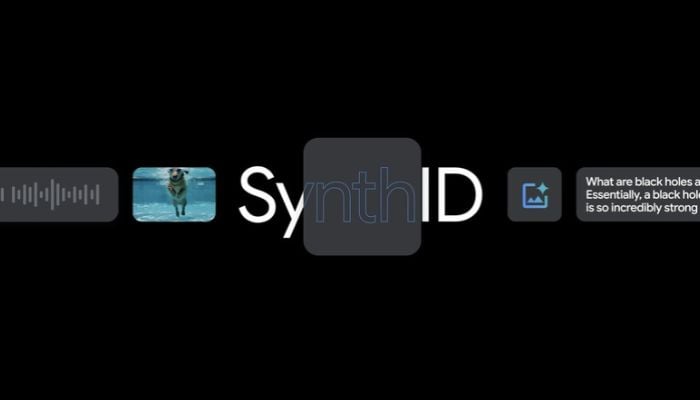
Google has reportedly opened its SynthID Detector to everyone so that the free website can now check whether an image, video or audio file has Google’s SynthID watermark-an algorithmic signature tool available globally from Wednesday, as Google DeepMind’s Pushmeet Kohli wrote in a company blog post.
According to Google, it flags AI-generated media from Google and its partners OpenAI, Nvidia, and Kakao. The company said that it rolled out a pilot version of the detector in May 2025 for journalists, media professionals and researchers. Notably, the company has watermarked more than 180 billion images and videos with SynthID since 2023.
SynthID flagged content from Google’s Gemini, Imagen, Lyria and Veo models, with running its own verification page which checks images and video for SynthID. The detector also identifies the SynthID watermark; because other companies use different standards, it cannot detect all AI-generated content.
Due to a lack of industry-wide standards fails to capture all AI-generated content or content only edited with it as Google’s sample result says the media was edited with Google AI.


-
 Nvidia stocks takes a hit at the Asia trade: Report
-
 UK AI chip startup fractile hits $7 billion valuation after major funding round
-
 Tech giants push back against major changes to Indonesia’s proposed AI copyright law
-
 EU threatens heavy fines for unfair online trade practices: what to know
-
 WhatsApp's new Android navigation bar can show up to 5 tabs
-
 Google brings its most powerful AI model to paying subscribers
-
 Leak exposes Chinese university's purchase of two H200 chips for $123k
-
 Spain considers TikTok ban after explosive probe uncovers widespread child sexual abuse material
-
 Ring unveils flying security drone and rolling rover robot for home protection
-
Microsoft urges Trump to drop Chinese transceiver ban for AI data centers
-
Google to remove third-party apps from older Fitbit watches
-
How one executive's alleged exposure to foreign intelligence tests America's AI chip controls