Elon Musk wants to replace ‘AI’ with ‘SI’: What to know
Musk declared on X that there would be no more AI, also agreeing to rename SpaceXAI to SpaceXSI after a user suggestion
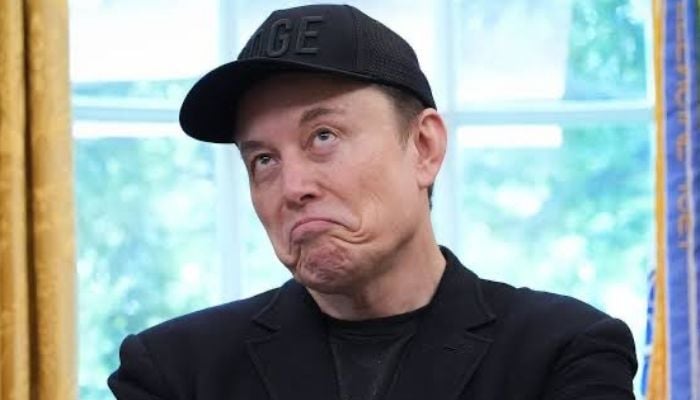
Experts and researchers are intensely debating whether artificial intelligence could one day develop consciousness.
On the social platform X, users are vigorously debating whether artificial intelligence can achieve consciousness with skeptics like Elon Musk dismissing artificial superintelligence AI and others highlighting microtubules as central to biology.
In this connection, neuroscientist Stuart Hameroff argues that any creature with microtubules likely feels conscious while researcher Anil Seth points to ongoing academic papers debunking human uniqueness. The key question remains when discussing and preparing society for AI consciousness.

The billionaire entrepreneur and investor posted a status, “No more AI, Super intelligence is better.”
Musk’s Grok bot was praised with users saying, “it is operating so insanely fast these days, it feels like SpaceX already launched AI data centers into orbit.”
The 55-year-old responded, “ It is so over and we are back.”
On social platform X, users have been responding with compelling ideas with one writing, “ Changing the term doesn't actually change the technology. And the term Artificial intelligence has been around much longer than Super Intelligence, what is the value of changing the name?.”
Second remarked, “ Not anytime soon buddy, not in a million lifetimes. Good work on your AI models and bots though.”
Third added, “ Yes artificial intelligence sounds fake. When you create something it’s original so SI is better.”
Elon Musk also hinted at renaming SpaceXAI in the near future.


-
 ‘American idol’ star Caleb Flynn gets sentencing date after murder conviction
 -
 Rihanna fires back at EJ Johnson over Dior show delay
 -
 Ed Sheeran's troubled US tour gets a 'special guest' in Atlanta
 -
 Kim Kardashian on being single before Lewis Hamilton
 -
 Paul McCartney reveals the wedding advice he gave Taylor Swift
 -
 Ken Urker's family blasts Gypsy Rose Blanchard over 'lies' about his death
 -
 Tennessee prison chief resigns following Christa Pike’s failed execution
 -
 Meghan Markle has eyes on surprising new career move