Trump wants rates at 1% as AI boom adds to inflation pressure
Trumpflation and the AI infrastructure boom are working against the president's push for the world's lowest interest rates
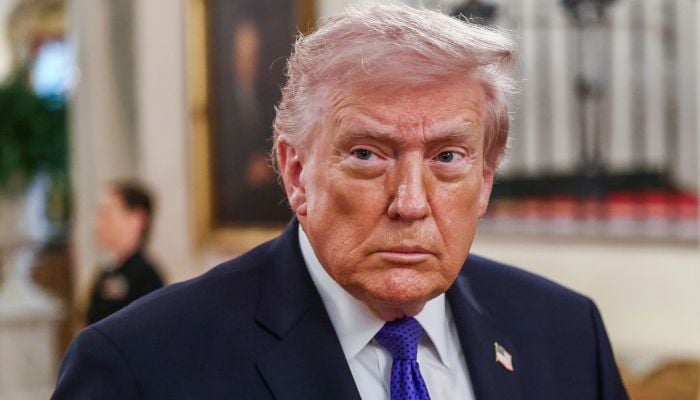
President Trump has been blunt about what he wants from the Federal Reserve: the lowest interest rates anywhere in the world, ideally 1% or below. "Success in growth does not cause inflation," he's argued, insisting the economy could hit GDP growth of "14, 15, 16, and 20%" under looser policy.
Two forces working against him, tariff and war-driven inflation alongside an unprecedented AI infrastructure boom, are making that vision increasingly hard to square with reality.
The tariffs imposed under Trump’s “Liberation Day” designation were overturned by the Supreme Court on February 20, 2026, in a 6-3 decision, as it concluded that the administration was without the authority to impose these tariffs through the use of emergency powers laws. However, the decision did not stop tariff policy from being enacted.
In just days, the new administration imposed duties using a different legal basis, and by July of 2026, tariffs of 10%-12.5% were being imposed on imports from over 80 countries.
As economists point out, duties on raw materials, like steel, increase the cost of production in the US, and these costs will generally be borne by consumers.
The greater impact than the tariffs, several economists say, is the result of the Iran war. Following the authorisation of military operations by President Trump, Iran blocked off the Strait of Hormuz to almost all shipping, which impacted one-fifth of the daily flow of oil in the world and caused the price of fuels to spike.
Even after that event, its effect has grown outside of just energy: inflation metrics without food and energy remain high due to cost increases incurred by companies through shipping disruptions and increased costs of petroleum products, including plastics.
There has also been the data centre build-out driven by AI, which has seen demand greatly exceed supply in computing hardware.
The Federal Reserve has flagged that these elevated prices are increasingly passing through to consumers, adding a second structural source of inflation independent of trade policy or the war.


-
 Yankees extend Brian Cashman's tenure after another disappointing playoff exit
-
 Poland's abortion ban faces new challenge as lawmakers vote to loosen restrictions
-
 New York Democrat Brad Lander released after detention in West Bank
-
 Ohio chemical tank explosion triggers mass evacuations and shelter-in-place orders in Toledo
-
 Trump suffers record low approval rating weeks before US midterm elections
-
 El-Sayed leads Rogers by a narrow margin as Michigan Senate election approaches
-
 Russia ready for new Ukraine peace talks in November after Putin-Witkoff meeting
-
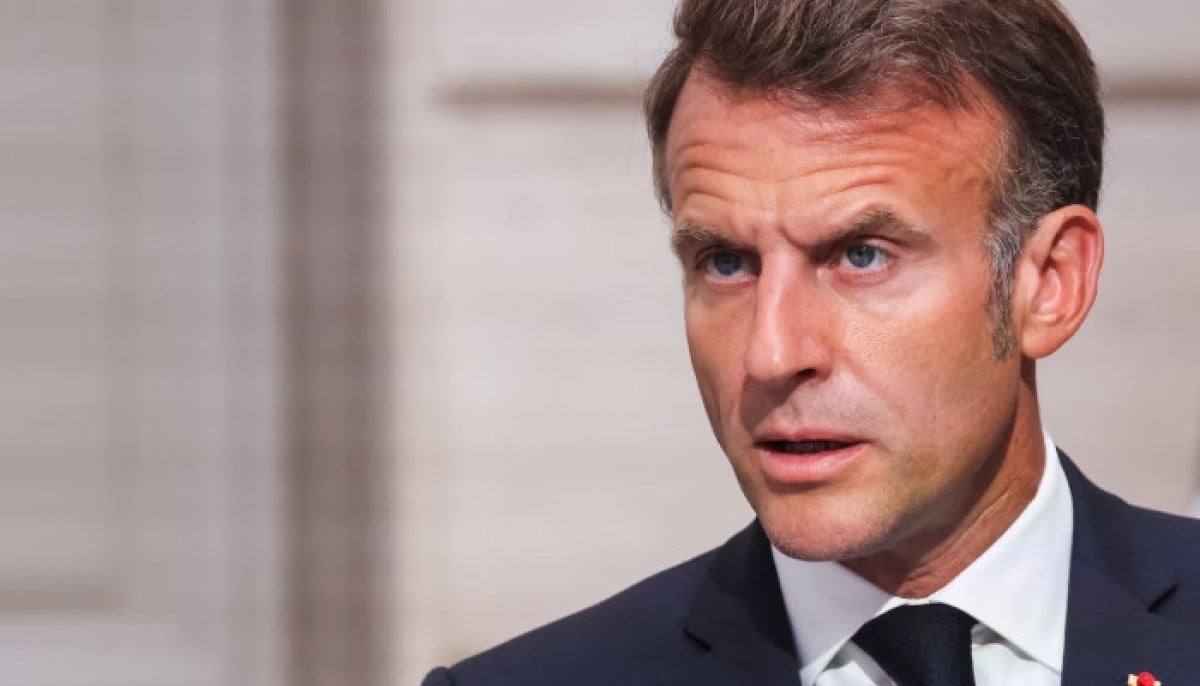 Macron warns Trump, other foreign leaders to stop using France riots for political gain
-
 Cost of living crisis deepens as fuel price surge pushes UK inflation to 10-month high of 3.5%
-
Ukraine’s Zelenskyy backs ceasefire, calls for fresh talks with US and Russia
-
Pope Leo XIV rides popemobile for first time since lung cancer surgery
-
Russia frees 74-year-old US citizen Stephen Hubbard as Putin-Witkoff meeting continues