Chevron expands Venezuela operations with major investment plan: Here’s why
Chevron unveils deal to double Venezuela venture output in five years
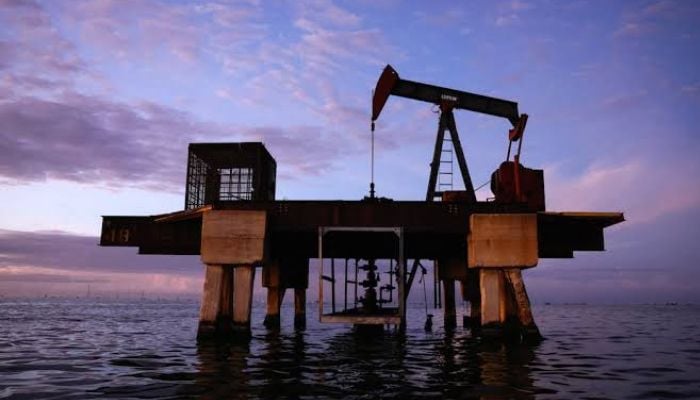
On Wednesday, Chevron announced that it had agreed with Venezuela on revised agreements for its domestic partnerships and seeks to invest more than $7 billion over the next five years.
The primary motive behind this expansion is the convergence of recent reports after Washington’s recent breaking news of a landmark agreement to take majority control of about 65 billion barrels of Venezuela’s oil reserves.
US President Donald Trump has pushed a $100 billion recovery plan for Venezuela's energy sector, prompting US oil companies to invest in the country following the US capture and removal of Venezuelan President Nicolas Maduro in January.
Chevron’s Venezuela operations have proceeded without interruption for at least 100 years with fellow oil producers ExxonMobil and ConocoPhillips.
The company added that Chevron expects the investment to foster manufacturing growth at its three Venezuelan joint ventures, which have increased output by 15% this year.
In this connection, Chevron CEO Mike Wirth said: “Chevron's history in Venezuela spans more than a century, and our expanded position reflects our confidence in the country’s deep resource potential and its ability to compete for investment within our portfolio for decades.”
Nonetheless, the increased footprint gives Chevron a stronger position in Venezuela as US oil companies aim to increase production from the country’s heavy petroleum resources.


-
 Rare pink dolphin captivates beachgoers after sighting off Oman coast
 -
 Timothee Chalamet’s haunting war chant for ‘Dune: Part Three’ unveiled
 -
 Trump announces over $400 million push to boost Republicans ahead of midterms
 -
 ‘The Prestige’ to get IMAX, 70mm re-release for 20th anniversary
 -
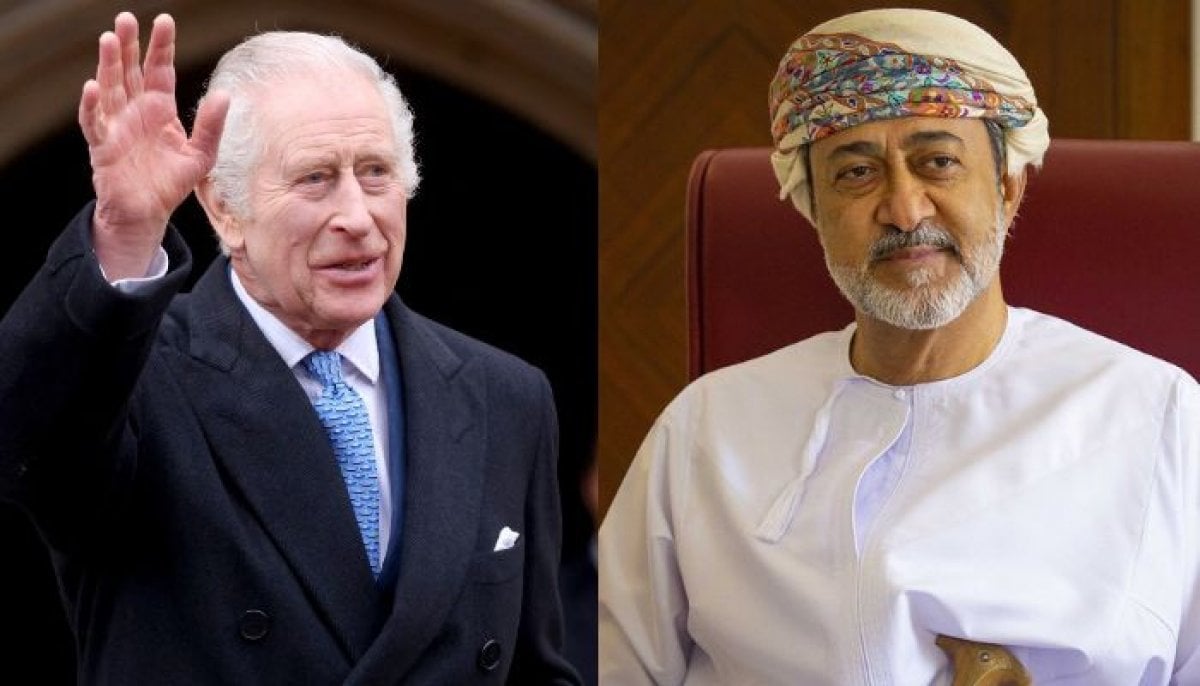 King Charles unveils rare treasures to Sultan of Oman
 -
 Netflix unveils release dates for three Rob Lowe projects
 -
 Kyle Kennedy, granddaughter of Robert F. Kennedy Sr, dies at 42
 -
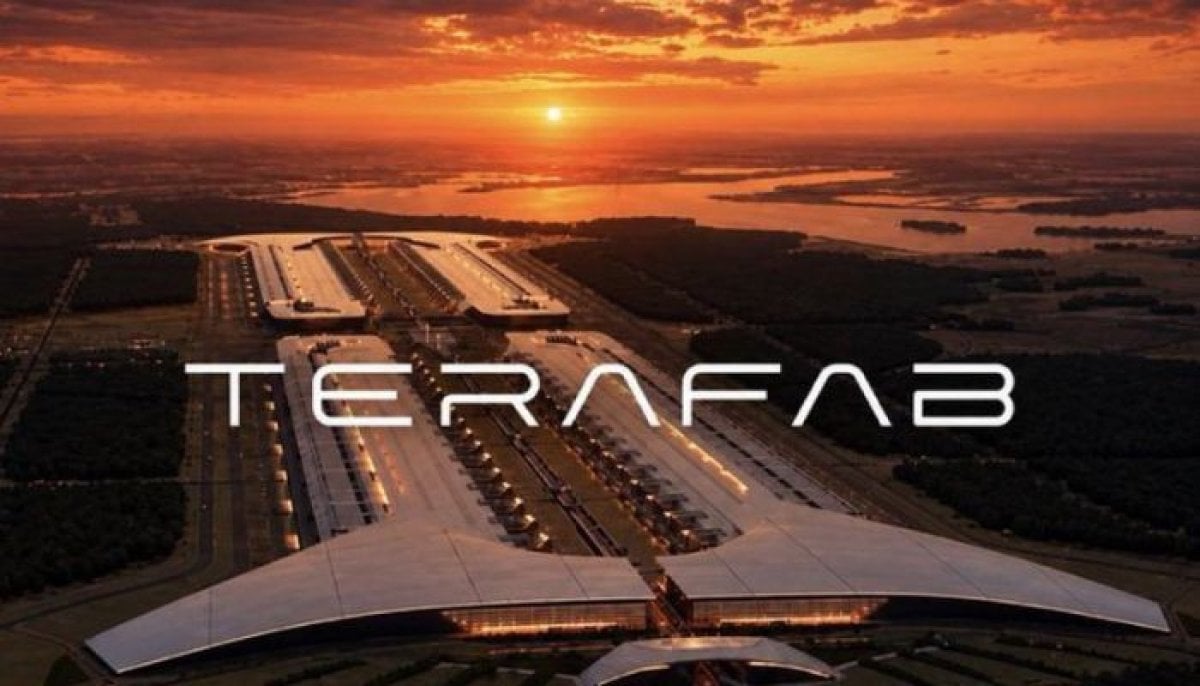 Elon Musk’s ambitious Terfab plan revealed: What to know